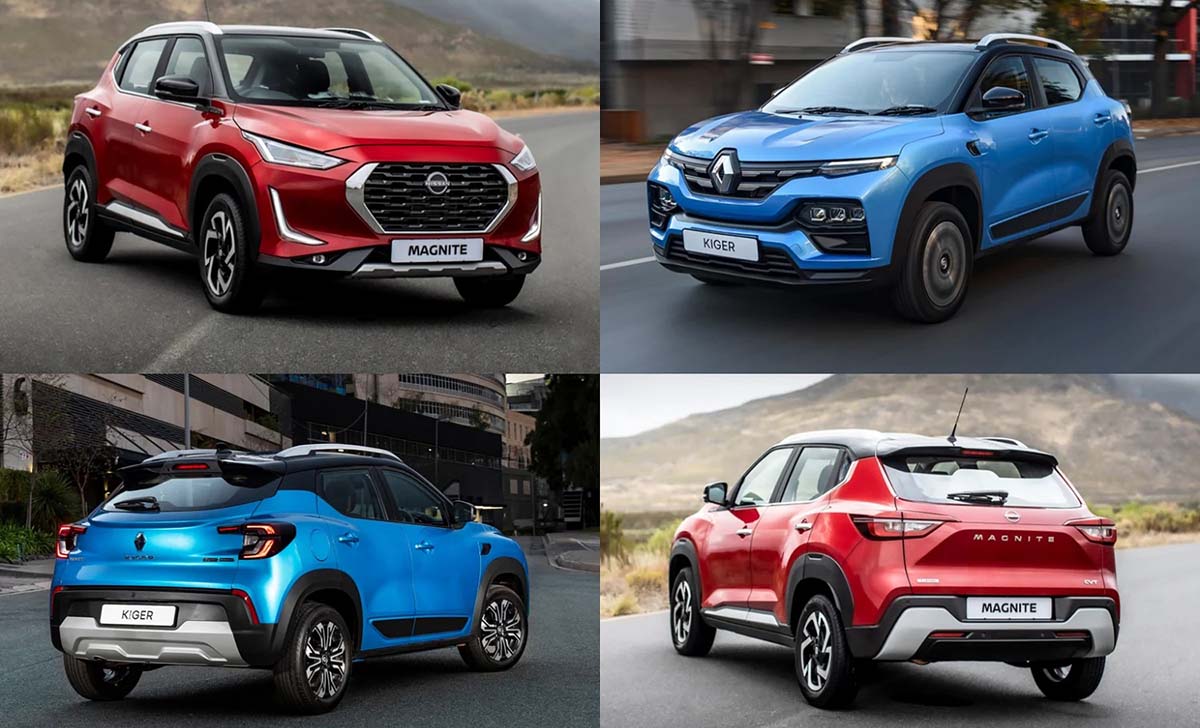
 Trailers
 Buses
Buses
 Tractors
 Rollers
 Cranes
 Loaders
 Graders
 Forklifts
 Dozers
 Excavators
 Boats
Boats
 Caravans





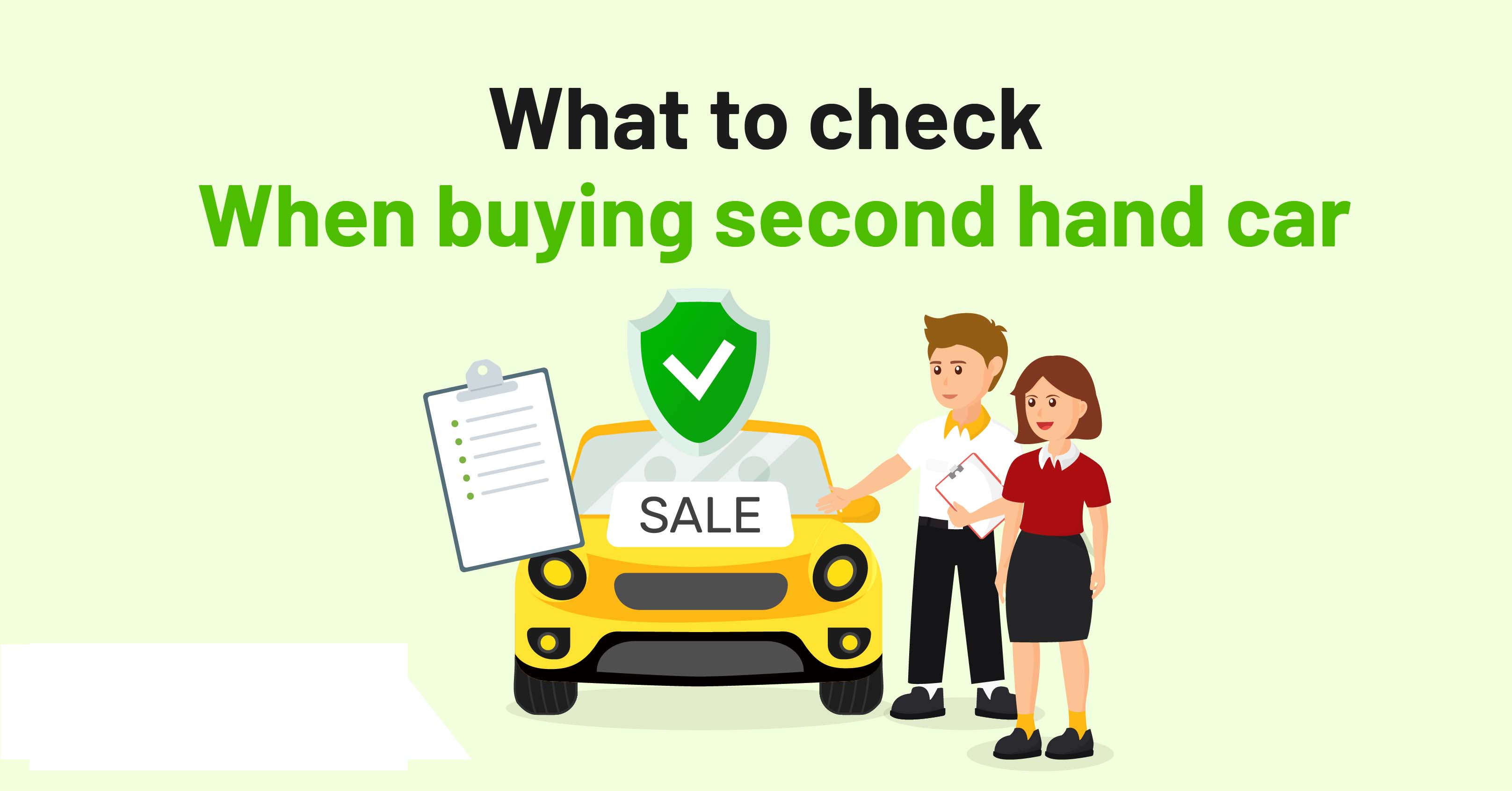
What to look for when buying a second hand car
Buying a second-hand car can be a smart financial decision, but it also comes with risks. Unlike purchasing a brand-new vehicle, you are relying on the previous owner’s care, driving habits, and honesty. To avoid costly mistakes, it’s essential to approach the process carefully and systematically. Here’s what to look for when buying a used car.
1. Set a Clear Budget
Before you even start browsing listings, determine how much you can realistically afford. Your budget should include not only the purchase price but also insurance, taxes, registration fees, and potential repairs. Keep in mind that some brands—such as BMW or Mercedes-Benz—may have higher maintenance and repair costs compared to brands like Toyota or Honda, which are often praised for reliability and affordability.
2. Research the Model’s Reputation
Not all cars age equally well. Research the specific make, model, and year you are considering. Look for common problems, recalls, and long-term reliability ratings. Online reviews, owner forums, and reliability surveys can provide valuable insights. For example, a Toyota Corolla is widely regarded as dependable, while some luxury models may depreciate quickly but cost more to maintain. Understanding these differences helps you make a more informed choice.
3. Check the Vehicle History Report
A vehicle history report is crucial when buying a used car. Services like Carfax and AutoCheck provide information about past accidents, title issues, odometer readings, and service records. A clean report does not guarantee a perfect car, but it can reveal red flags such as flood damage or salvage titles. Always compare the Vehicle Identification Number (VIN) on the report with the VIN on the car to ensure they match.
4. Inspect the Exterior Carefully
Walk around the car in good lighting and examine the bodywork closely. Look for dents, scratches, rust spots, and paint inconsistencies. Uneven paint or misaligned panels may indicate previous accident repairs. Check the condition of the tires—uneven wear can signal alignment or suspension problems. Also inspect the windshield and windows for cracks or chips.
Don’t forget to check underneath the car for signs of leaks or corrosion. Surface rust can be normal in older vehicles, but extensive rust on the frame is a serious concern.
5. Examine the Interior
The interior condition often reflects how well the car has been maintained. Look for excessive wear on the seats, steering wheel, and pedals. Test all electronic features, including power windows, air conditioning, infotainment systems, and lights. Make sure warning lights on the dashboard turn off after starting the engine.
Unusual smells can also indicate problems. A musty odor might suggest water damage, while a strong air freshener scent could be masking something unpleasant.
6. Look Under the Hood
Even if you are not mechanically inclined, you can perform basic checks. Inspect the engine bay for leaks, frayed belts, or cracked hoses. Check the oil level and color—clean oil is typically amber, while dark, gritty oil may signal neglect. Examine the coolant and brake fluid levels as well.
If possible, bring along a knowledgeable friend or hire a professional mechanic to inspect the vehicle. A pre-purchase inspection may cost money upfront, but it can save you from expensive repairs later.
7. Take a Thorough Test Drive
A test drive is one of the most important steps. Drive the car on different types of roads, including highways and city streets. Pay attention to how the engine sounds and how the transmission shifts. The steering should feel responsive, and the brakes should not vibrate or make grinding noises.
Listen for unusual sounds such as knocking, squealing, or rattling. Test the acceleration and observe whether the car pulls to one side. A comfortable and smooth ride is a good sign, while vibrations or hesitation may indicate underlying issues.
8. Verify Ownership and Documentation
Ensure the seller has the legal right to sell the vehicle. Check that the name on the title matches the seller’s identification. Review maintenance records to see if regular servicing has been performed. A well-documented service history suggests responsible ownership.
If you are buying from a dealership, ask whether the car is certified pre-owned. Some manufacturers offer certified programs that include warranties and inspections for added peace of mind.
9. Negotiate the Price
Once you’ve assessed the car’s condition, research its market value using online pricing tools. Consider mileage, condition, and location. Use any issues you discovered during inspection as negotiation points. Be prepared to walk away if the seller refuses to negotiate or if something feels suspicious.
10. Trust Your Instincts
Finally, trust your gut feeling. If the seller pressures you to make a quick decision or avoids answering questions, proceed with caution. Buying a second-hand car should not feel rushed. Take your time, compare options, and choose a vehicle that fits your needs and budget.
In conclusion, buying a used car requires careful research, inspection, and patience. By setting a realistic budget, checking the vehicle’s history, inspecting it thoroughly, and taking a proper test drive, you can reduce risks and make a confident purchase. With the right approach, a second-hand car can offer excellent value and reliable transportation for years to come.
Guides











Reviews