
 Trailers
 Buses
Buses
 Tractors
 Rollers
 Cranes
 Loaders
 Graders
 Forklifts
 Dozers
 Excavators
 Boats
Boats
 Caravans





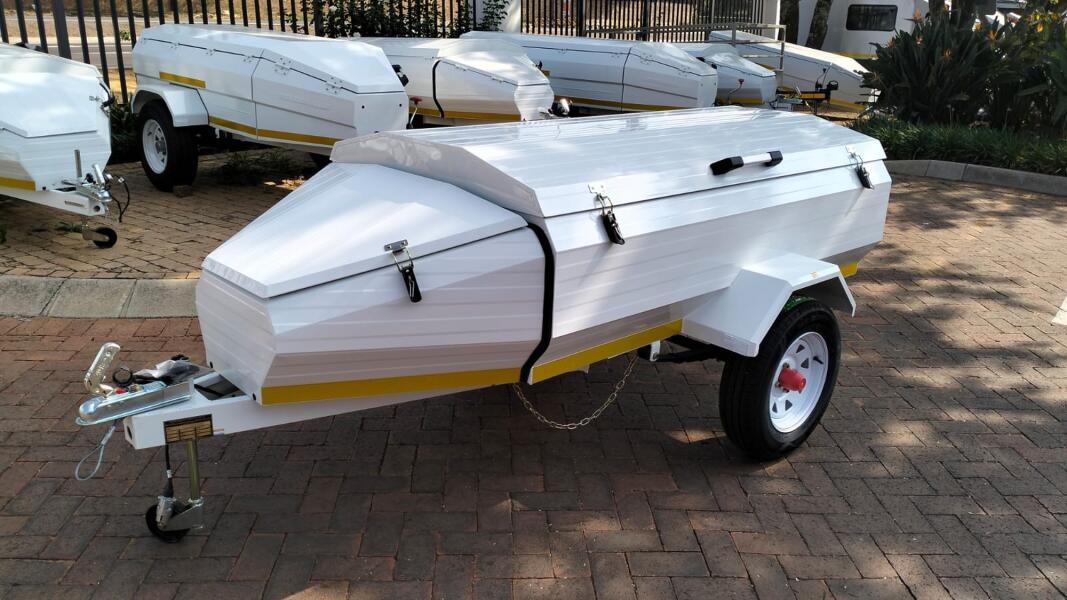
What To Check When Purchasing A Second Hand Trailer
Buying a second-hand trailer can save you a significant amount of money compared to purchasing new, but it also comes with risks. A thorough inspection is essential to avoid unexpected repair costs, safety issues, or legal problems. Whether you are buying a utility trailer, car hauler, boat trailer, or enclosed trailer, here is a detailed guide on what to check before making your purchase.
First, start with the paperwork. Verify that the seller has clear ownership and that the Vehicle Identification Number (VIN) on the trailer matches the title and registration documents. Check whether the trailer has any outstanding finance or liens attached to it. If your area requires registration or inspection certificates, confirm they are up to date. Proper documentation protects you from future legal complications and ensures you can register the trailer without problems.
Next, carefully inspect the frame and chassis. The frame is the foundation of the trailer, and structural damage can be expensive to repair. Look closely for cracks, bends, or signs of poor welding repairs. Surface rust is common, especially on older trailers, but deep rust that flakes or weakens the metal is a serious concern. Pay particular attention to stress points around joints, cross members, and the tongue area. If the trailer appears twisted or does not sit level, this could indicate past overloading or accident damage.
The suspension and axles are also critical components. Check the axles for visible bending and ensure the trailer sits evenly on both sides. Inspect leaf springs or torsion axles for cracks, excessive corrosion, or broken components. Worn suspension parts can affect towing stability and cause uneven tire wear. If possible, jack up the trailer and spin the wheels to listen for grinding noises, which may signal worn wheel bearings. Replacing bearings is not extremely costly, but it should factor into your decision.
Tires often reveal how well a trailer has been maintained. Examine the tread for uneven wear, which could indicate alignment or suspension problems. Look for cracks in the sidewalls, bulges, or signs of dry rot. Trailer tires frequently age before they wear out, so check the manufacturing date on the sidewall. Tires older than five or six years may need replacement, even if the tread looks acceptable. Also inspect the wheels for rust, dents, or damage around the lug nuts.
If the trailer is equipped with brakes, test them carefully. Larger trailers typically have electric or surge braking systems. Connect the trailer to your tow vehicle and ensure the brakes engage properly without unusual noises or delayed response. Inspect the wiring and brake components for corrosion or damage. Faulty brakes are not only dangerous but can also be costly to repair.
The electrical system deserves close attention as well. Plug the trailer into your vehicle and test all lights, including brake lights, indicators, and running lights. Electrical problems are common in older trailers, especially those exposed to moisture. Look for frayed wires, corroded connectors, or makeshift repairs. Rewiring is possible but requires time and additional expense.
Do not overlook the hitch and coupling system. Inspect the coupler for cracks, excessive rust, or wear. Ensure it locks securely onto the tow ball and that the latch mechanism operates smoothly. Check the safety chains for strength and condition, and confirm that the trailer jack raises and lowers without difficulty. These components are essential for safe towing.
The condition of the trailer bed or floor is another important factor. On utility or flatbed trailers, examine wooden boards for rot, soft spots, or splitting. Metal floors should be checked for rust holes or weakened areas. Walk across the surface to feel for movement or weakness. In enclosed trailers, inspect the interior walls and ceiling for water stains, mold, or leaks. Open and close doors and ramps to ensure they function properly and seal tightly.
Finally, consider the overall brand reputation and intended use. Well-known manufacturers such as Big Tex Trailers and Load Trail are often associated with durable construction and reliable performance. While brand alone does not guarantee condition, it can indicate the general quality of materials and workmanship.
If possible, take the trailer for a short test tow. Observe how it tracks behind your vehicle and whether it sways, rattles, or vibrates excessively. Listen for unusual sounds and pay attention to braking performance.
In conclusion, buying a second-hand trailer requires patience, careful inspection, and attention to detail. By thoroughly checking the paperwork, structural components, mechanical systems, and overall condition, you can reduce the risk of costly surprises. Taking the time to inspect properly will help ensure that your purchase is safe, reliable, and worth the investment.
Guides




Reviews

0 Comments
Post Comment