
 Trailers
 Buses
Buses
 Tractors
 Rollers
 Cranes
 Loaders
 Graders
 Forklifts
 Dozers
 Excavators
 Boats
Boats
 Caravans





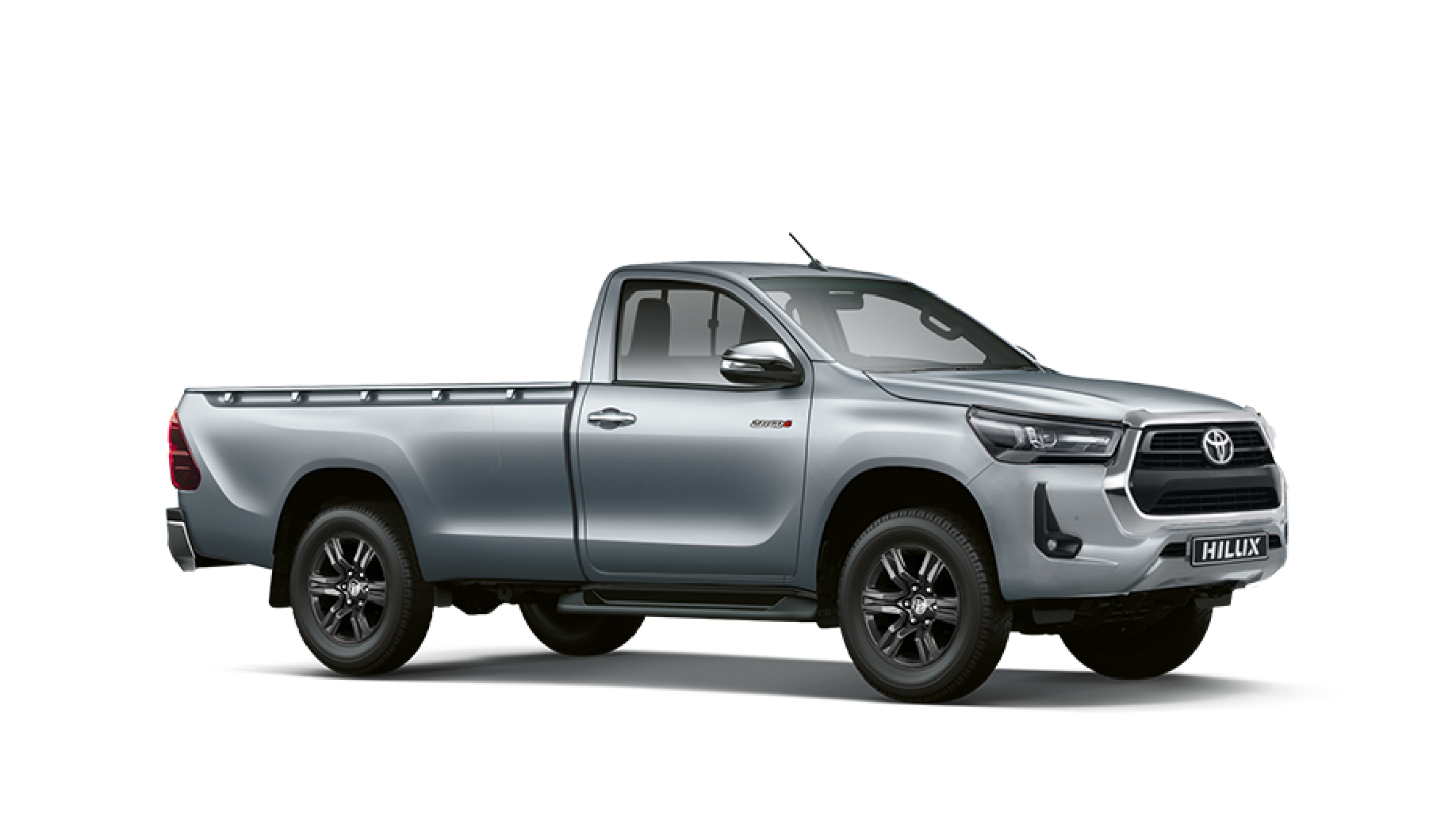
BUYER’S GUIDE FOR A BAKKIE IN SOUTH AFRICA
In South Africa, a bakkie is more than just a vehicle — it’s a workhorse, a family car, and often a lifestyle statement. From construction sites and farms to suburban driveways and off-road adventures, bakkies remain one of the most popular vehicle segments in the country. Whether you are buying for business, leisure, or a mix of both, choosing the right bakkie requires careful consideration of budget, reliability, performance, and long-term value.
1. Define your purpose
Before comparing models, determine how you plan to use your bakkie.
*Work-focused use: If you need a bakkie primarily for carrying heavy loads or towing equipment, durability and payload capacity should be your top priorities. A single-cab model with a large load bin may be ideal.
*Family and lifestyle use: Double-cab bakkies offer four doors and comfortable rear seating, making them suitable for family trips and everyday commuting.
*Off-road and adventure: If you plan to explore rural terrain or go camping regularly, 4x4 capability, ground clearance, and traction control systems are essential.
Your primary purpose will narrow down your options significantly.
2. Popular bakkies options in South Africa
South Africa’s market offers a wide range of choices, from established global brands to newer entrants.
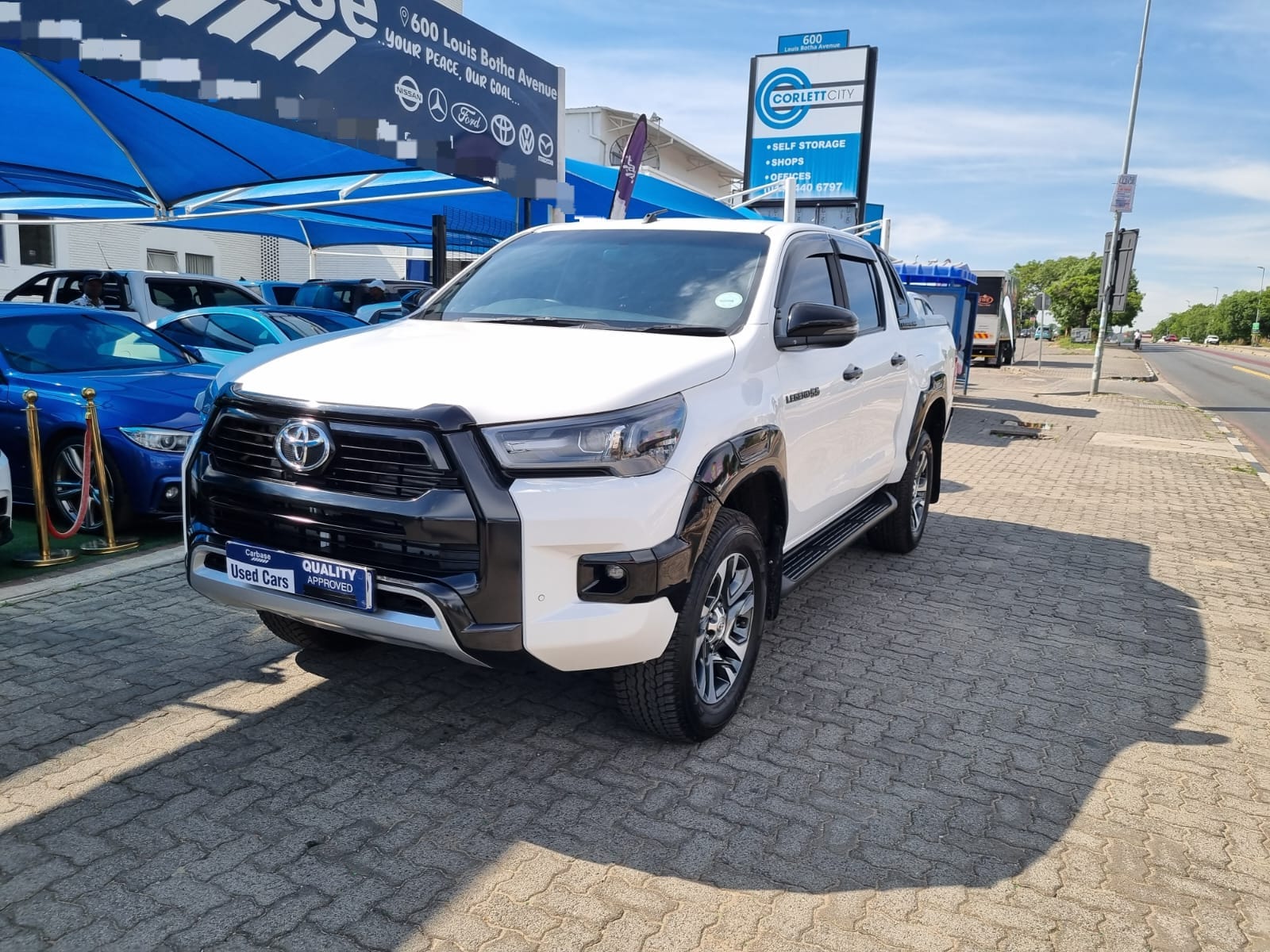
*Toyota Hilux – Known for reliability, strong resale value, and durability. It’s consistently one of South Africa’s best-selling vehicles.
*Ford Ranger – Offers modern technology, strong engines, and refined comfort, making it popular among both business and lifestyle buyers.
*Isuzu D-Max – Favoured for durability and practical design, particularly in commercial sectors.
*Nissan Navara – Known for comfort and improved ride quality.
*Mahindra & Mahindra Pik Up – Offers competitive pricing and solid work-focused performance.
Chinese brands are also entering the bakkie segment, often at more affordable price points, increasing competition and consumer choice.
3. Engine and Performance Considerations
Most bakkies in South Africa are powered by turbo-diesel engines due to fuel efficiency and torque advantages. Diesel engines generally provide better towing capability and long-term economy for heavy use.
Key factors to consider:
*Engine size and power output
*Torque (important for towing and load-carrying)
* Fuel consumption
*Manual vs automatic transmission
For heavy-duty towing or farm work, higher torque figures are critical. For urban use, a smaller engine with good fuel economy may suffice.
4. 4x2 vs 4x4
A major decision is whether to choose a 4x2 (rear-wheel drive) or 4x4 model.
*4x2 models are more affordable, fuel-efficient, and suitable for city driving and light-duty work.
*4x4 models are better suited for off-road conditions, farms, construction sites, and challenging weather environments.
Keep in mind that 4x4 models typically come at a higher purchase price and may have slightly higher maintenance costs.
5. Payload and towing capacity
If you are purchasing for business or heavy-duty use, always check:
*Payload capacity (how much weight the load bin can carry)
*Towing capacity (especially for trailers or caravans)
Many modern double-cab bakkies can tow up to 3,500 kg (braked), but specifications vary between models and trims.
6. Safety and technology
Modern bakkies are no longer basic work vehicles. Many now offer advanced safety and driver-assistance features such as:
* ABS and electronic stability control
* Multiple airbags
* Reverse cameras
* Lane departure warning
* Adaptive cruise control (in higher trims)
If the bakkie doubles as a family vehicle, safety ratings and features should be a top priority.
7. New vs used
Buying new ensures:
* Full warranty coverage
* Service plans
* Latest technology and safety features
However, used bakkies often offer better value, particularly models known for durability. Vehicles like the Hilux and Ranger tend to retain strong resale value, meaning they cost more upfront but depreciate more slowly.
When buying used:
* Request a full service history
* Check for accident damage
* Inspect suspension and underbody (especially if used off-road)
* Consider a professional inspection
8. Maintenance and running costs
Bakkies are generally built tough, but maintenance costs vary between brands. Consider:
* Service intervals and pricing
* Availability of parts
* Insurance premiums
* Fuel consumption
Japanese brands traditionally have strong parts availability and service networks in South Africa, which can reduce long-term ownership stress.
9. Resale value
Resale value plays a major role in total cost of ownership. Brands with established reputations and large dealer networks often maintain stronger resale prices. A bakkie with good resale value can significantly reduce overall ownership costs when it’s time to upgrade.
10. Budget and financing
Finally, determine your total budget, including:
* Purchase price
* Insurance
* Licensing
* Fuel and servicing
* Optional extras (canopies, tow bars, off-road accessories)
Compare finance options carefully, and avoid stretching beyond what your monthly cash flow comfortably allows.
Final thoughts
Choosing the right bakkie in South Africa requires balancing work capability, comfort, reliability, and affordability. Whether you opt for a trusted market leader or a value-focused alternative, take time to test drive multiple options and assess long-term ownership costs. A well-chosen bakkie can serve you reliably for years — on the job, on the road, and off the beaten track.
Guides


Reviews

0 Comments
Post Comment