
 Trailers
 Buses
Buses
 Tractors
 Rollers
 Cranes
 Loaders
 Graders
 Forklifts
 Dozers
 Excavators
 Boats
Boats
 Caravans





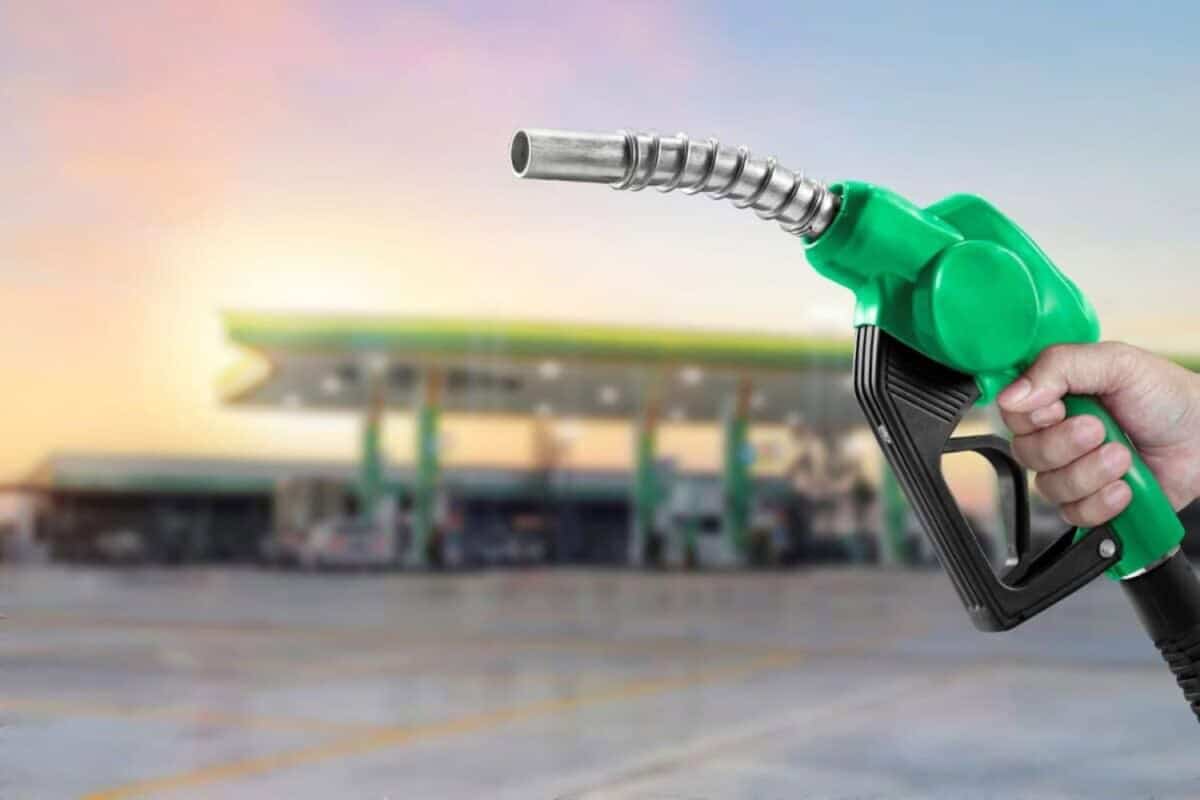
DIFFERENT TYPES OF PETROL USED IN SOUTH AFRICA
In South Africa, petrol (also called gasoline) is refined and sold in several different grades to suit a wide range of vehicles, driving conditions, and engine technologies. The types of petrol available are mainly differentiated by their octane rating and whether they contain additives such as ethanol. Understanding these differences helps motorists choose the correct fuel for performance, efficiency, and engine longevity.
Octane Ratings: 93 and 95 Unleaded Petrol
The most common types of petrol sold in South Africa are 93 Unleaded and 95 Unleaded. The number refers to the fuel’s octane rating, which measures its resistance to engine knocking or pinging during combustion. Knocking occurs when fuel ignites prematurely in the engine cylinder, potentially causing damage over time.
93 Unleaded Petrol is primarily available in inland regions, such as Johannesburg and other parts of the Highveld. Because these areas are situated at higher altitudes, the air pressure is lower. Engines operating at altitude are less prone to knocking, so a slightly lower octane fuel (93) performs adequately in most standard vehicles. As a result, 93 petrol is generally more affordable than 95 and is suitable for many everyday passenger cars that do not require high-octane fuel.
95 Unleaded Petrol is available throughout the country and is the standard grade in coastal regions such as Durban and Cape Town. At sea level, where air pressure is higher, engines are more susceptible to knocking. Therefore, 95 octane fuel is recommended, especially for modern engines, turbocharged vehicles, and high-performance cars. Many vehicle manufacturers specify 95 octane as the minimum requirement to ensure optimal power output and fuel efficiency.
Lead Replacement Petrol (LRP)
Before unleaded petrol became the standard, leaded petrol was widely used to protect engine valves and improve octane performance. However, due to environmental and health concerns, leaded petrol was phased out in South Africa in 2006. In its place, Lead Replacement Petrol (LRP) was introduced for older vehicles designed to run on leaded fuel.
LRP contains additives that mimic the lubricating properties of lead, helping to protect valve seats in older engines that were not built for unleaded petrol. Although LRP is still available in certain areas, its demand has declined significantly as most vehicles on the road today are designed for unleaded fuel. Owners of classic or vintage cars may still rely on LRP or use unleaded petrol with aftermarket additives.
Ethanol-Blended Petrol
In recent years, there has been growing interest in ethanol-blended fuels as part of efforts to promote cleaner energy and reduce reliance on fossil fuels. Ethanol is a renewable biofuel typically produced from crops such as sugarcane or maize. When blended with petrol, it can reduce greenhouse gas emissions and improve combustion efficiency.
Although ethanol-blended petrol is not yet as widespread in South Africa as in some other countries, regulatory frameworks have been developed to allow for blending of up to 10% ethanol (often referred to as E10). The introduction of such fuels aims to support the agricultural sector and reduce carbon emissions. However, compatibility depends on vehicle design, and older vehicles may not be suitable for high ethanol blends without modification.
Additised and Premium Fuels
Beyond standard octane grades, many fuel companies in South Africa offer additised or premium unleaded petrol. These fuels still fall under the 93 or 95 octane categories but include proprietary additive packages designed to clean engine components, reduce carbon build-up, and improve overall engine performance.
Major fuel brands such as Sasol, Shell, BP, and Engen market these enhanced fuels under various product names. While the base fuel meets national specifications, the added detergents and performance enhancers are intended to differentiate their products. Some motorists prefer premium fuels for their perceived long-term benefits, especially in high-performance or newer vehicles.
Regulatory Standards and Quality Control
Petrol sold in South Africa must comply with national fuel quality standards set by the government. These regulations control aspects such as sulphur content, octane levels, and permissible additives. Over time, South Africa has moved toward cleaner fuel standards in line with global environmental trends, including reducing sulphur levels to lower vehicle emissions.
Fuel prices in South Africa are regulated and adjusted monthly, based on international oil prices and exchange rates. This pricing structure applies uniformly across different fuel grades, although coastal and inland prices may vary slightly due to transport and distribution costs.
Conclusion
The main types of petrol used in South Africa are 93 Unleaded, 95 Unleaded, Lead Replacement Petrol, and emerging ethanol-blended fuels. The choice between them depends largely on vehicle specifications, engine design, and geographic location. With modern engines increasingly requiring higher octane and cleaner fuels, 95 Unleaded has become the dominant grade in many areas. At the same time, regulatory improvements and additive technologies continue to shape the petrol landscape, ensuring that South African motorists have access to fuels that balance performance, cost, and environmental considerations.
Guides









Reviews

0 Comments
Post Comment