
 Trailers
 Buses
Buses
 Tractors
 Rollers
 Cranes
 Loaders
 Graders
 Forklifts
 Dozers
 Excavators
 Boats
Boats
 Caravans





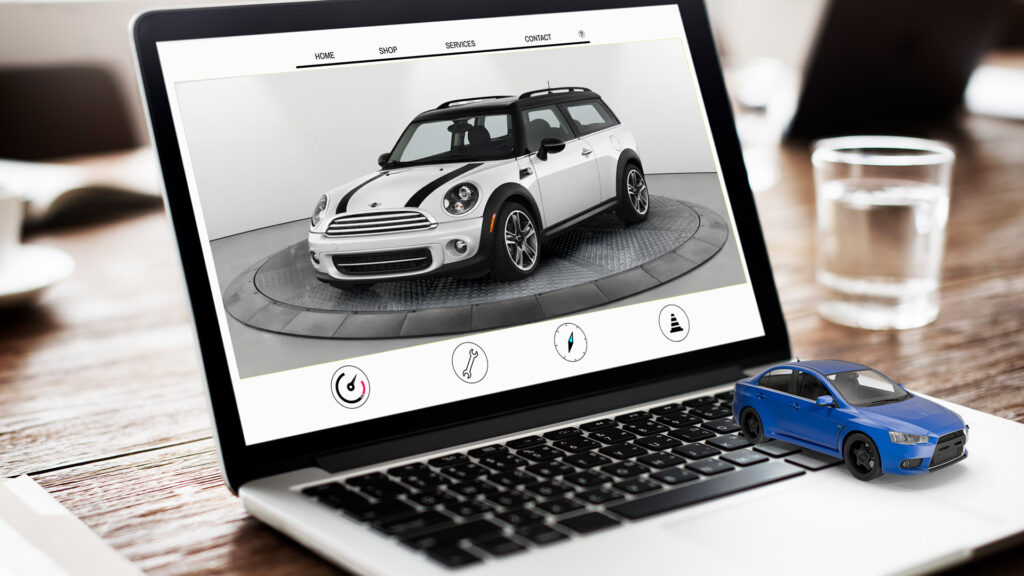
What To Lookout When Selling A Second Hand Car Online In South Africa
Selling a second-hand car online in South Africa can be a smooth and profitable experience — but only if you take the right precautions. With platforms like AutoTrader South Africa, Gumtree South Africa, Facebook Marketplace, and Cars.co.za making it easy to connect with buyers, sellers also face risks ranging from scams to legal disputes. Here’s what to look out for when selling your car online in South Africa.
1. Have All the Correct Documentation
Before listing your car, make sure your paperwork is in order. You’ll need:
-
The original registration certificate (RC1)
-
A copy of your ID
-
Proof of address
-
A valid roadworthy certificate (required for change of ownership)
-
Settlement letter if the vehicle is still financed
If your car is still under finance, contact your bank to confirm the outstanding amount and get written confirmation of the settlement figure. Many deals fall through because sellers don’t clarify this upfront.
2. Be Honest About the Condition
Transparency builds trust and helps avoid disputes later. Clearly disclose:
-
Accident history
-
Mechanical issues
-
Service history
-
Mileage accuracy
-
Modifications
South African consumer law, particularly the Consumer Protection Act (CPA), may still apply in certain private sales if you are considered to be acting in the “ordinary course of business.” Even in private sales, misrepresentation can lead to legal consequences. Being upfront protects you.
3. Set a Realistic Price
Research similar vehicles on platforms like AutoTrader South Africa and Cars.co.za to determine market value. Overpricing will reduce serious enquiries, while underpricing may attract opportunistic buyers or scammers.
Consider factors such as:
-
Mileage
-
Service history
-
Vehicle condition
-
Demand for the model
-
Location (urban areas often have higher demand)
You can also check book values through services such as TransUnion South Africa.
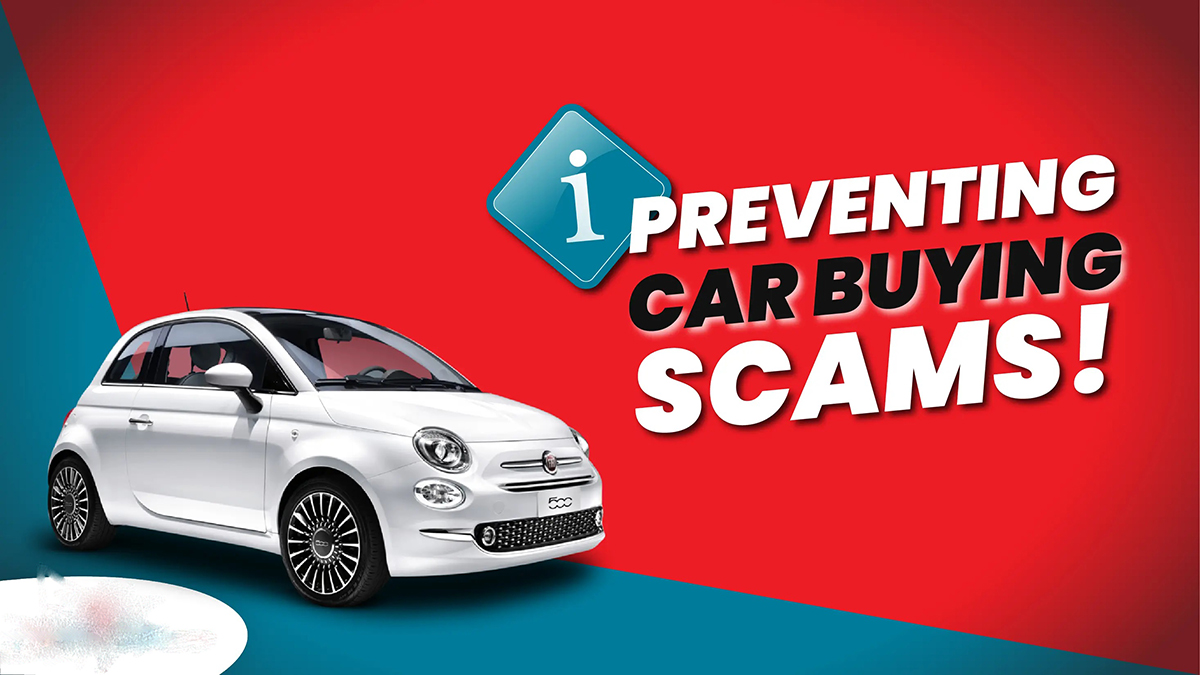
4. Watch Out for Scams
Online vehicle scams are common in South Africa. Be cautious of:
Fake Proof of Payment
Scammers often send fraudulent EFT confirmations. Never release the vehicle until the funds reflect in your bank account — not just on a payment notification.
Urgent or Overseas Buyers
Be wary of buyers claiming to be overseas or insisting on complicated shipping arrangements.
Overpayment Scams
If a buyer “accidentally” pays more and asks you to refund the difference, it’s almost always a scam.
Phishing Attempts
Avoid clicking suspicious links sent via email or WhatsApp claiming to verify payment or buyer identity.
5. Meet Safely
Your safety is critical when arranging viewings or test drives.
-
Meet in a public, well-lit area.
-
Avoid giving out your home address initially.
-
Bring a friend or family member along.
-
Verify the buyer’s driver’s licence before allowing a test drive.
-
Accompany the buyer during the test drive.
Some police stations in South Africa allow safe exchange zones for transactions. This can add an extra layer of security.
6. Secure Payment Properly
The safest way to receive payment is via electronic funds transfer (EFT) directly into your bank account. For high-value vehicles, consider:
-
Doing the transfer inside the buyer’s bank branch
-
Using immediate clearance options
-
Confirming with your bank that funds are irrevocably cleared
Avoid accepting cheques. Bank-guaranteed cheques are less common today and still carry fraud risk.
7. Complete the Change of Ownership Immediately
One of the biggest mistakes sellers make is failing to complete ownership transfer paperwork promptly. In South Africa, both buyer and seller must notify the relevant registering authority within 21 days of the sale.
Complete and submit the Notice of Change of Ownership (NCO) form as soon as the sale is finalized. This protects you from liability for:
-
Traffic fines
-
Accidents
-
Criminal activity involving the vehicle
Do not rely on the buyer to handle the paperwork alone.
8. Remove Personal Information
Modern vehicles may store personal data such as:
-
Phone contacts
-
Home addresses (GPS history)
-
Garage remote codes
Reset infotainment systems to factory settings before handing over the vehicle. Also remove licence discs if required and any personal documents from the car.
9. Cancel Insurance and Tracking
Once the vehicle is legally transferred and payment has cleared:
-
Cancel your car insurance
-
Inform your tracking company (if applicable)
-
Notify your toll account provider
Failing to do so could result in unnecessary charges.
10. Take Quality Photos — But Protect Yourself
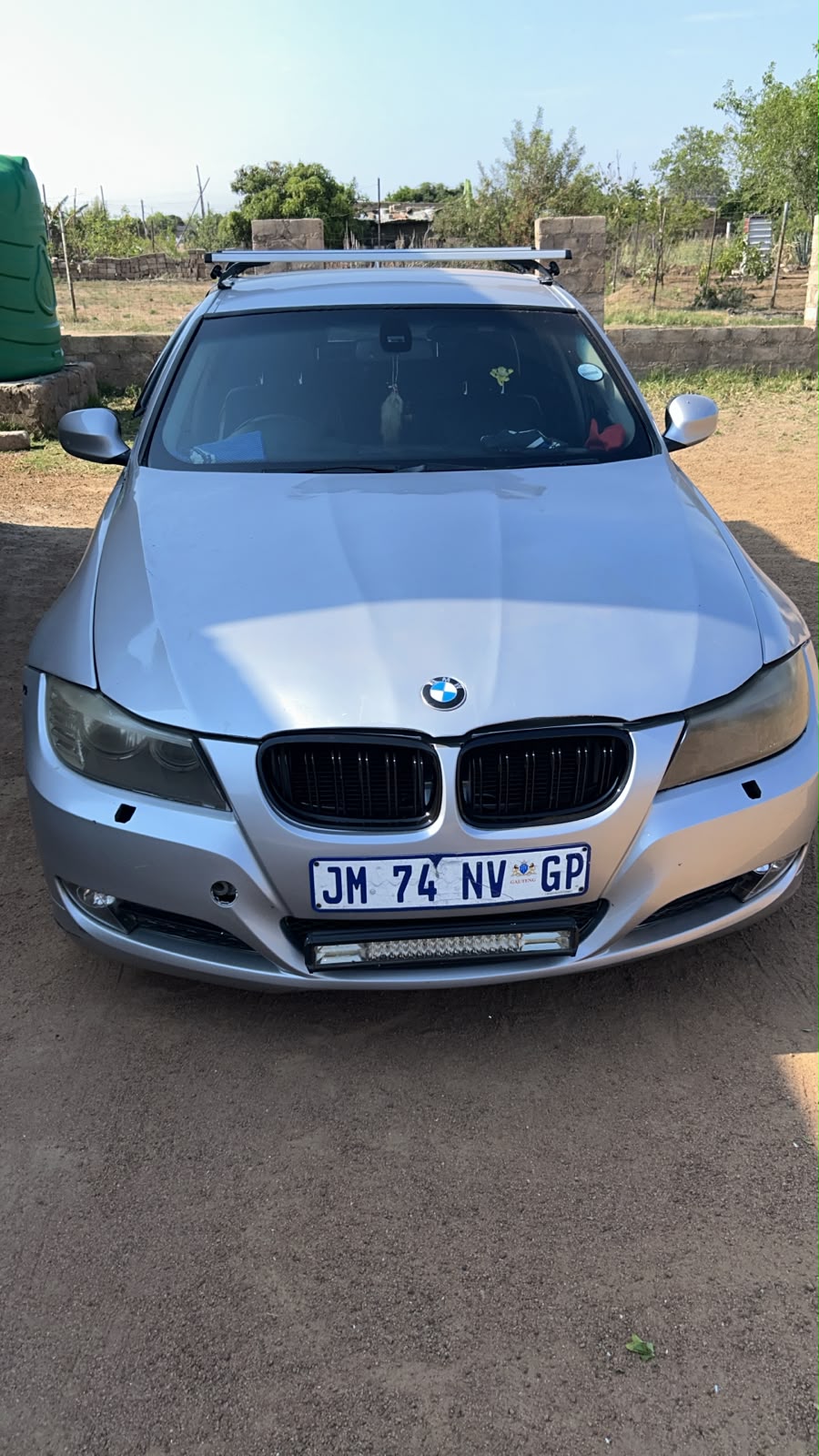
Good photos help attract serious buyers. Take clear pictures of:
-
Exterior (all angles)
-
Interior
-
Engine bay
-
Odometer reading
-
Service book
However, avoid displaying your home in the background or revealing sensitive information such as your full address.
Final thoughts
Selling your car online in South Africa can get you a better price than trading it in, but it requires vigilance. The biggest risks involve fraud, unsafe meetups, and incomplete paperwork. By verifying payments properly, meeting safely, being transparent about your vehicle’s condition, and ensuring ownership transfer is handled correctly, you can protect yourself while securing a fair deal.
With preparation and caution, online platforms like Autotude, Gumtree South Africa and Facebook Marketplace can connect you to serious buyers — without unnecessary risk.
Guides









Reviews

0 Comments
Post Comment