 Trailers
 Buses
Buses
 Tractors
 Rollers
 Cranes
 Loaders
 Graders
 Forklifts
 Dozers
 Excavators
 Boats
Boats
 Caravans






The State of South Africa’s Automobile Industry at a Crossroads
South Africa’s automotive industry has long been heralded as a critical pillar of the nation’s manufacturing sector and a cornerstone of its industrial policy. As the continent's most advanced and integrated automotive hub, it contributes over 6.4% to the national GDP and accounts for more than 30% of the country’s manufacturing output. Home to global giants like Toyota, Volkswagen, Mercedes-Benz, Ford, and Isuzu, the sector is a significant employer, supporting approximately 110,000 direct jobs and an estimated 240,000 indirect jobs across the value chain.
However, in 2024, this vital industry finds itself at a precarious crossroads. It is simultaneously grappling with profound structural challenges, navigating a complex global transition, and cautiously eyeing a future filled with both immense risk and transformative opportunity. The state of affairs is a tale of resilience strained by volatility, of potential hampered by persistent obstacles.
The Pillars of Strength: A Legacy Built to Last
To understand the current pressures, one must first acknowledge the robust foundation. The industry’s strength is built on the Automotive Production and Development Programme (APDP) and its successor framework, the APDP Masterplan to 2035. This public-private partnership has been instrumental in driving investment, boosting local content, and integrating South Africa into global automotive supply chains.
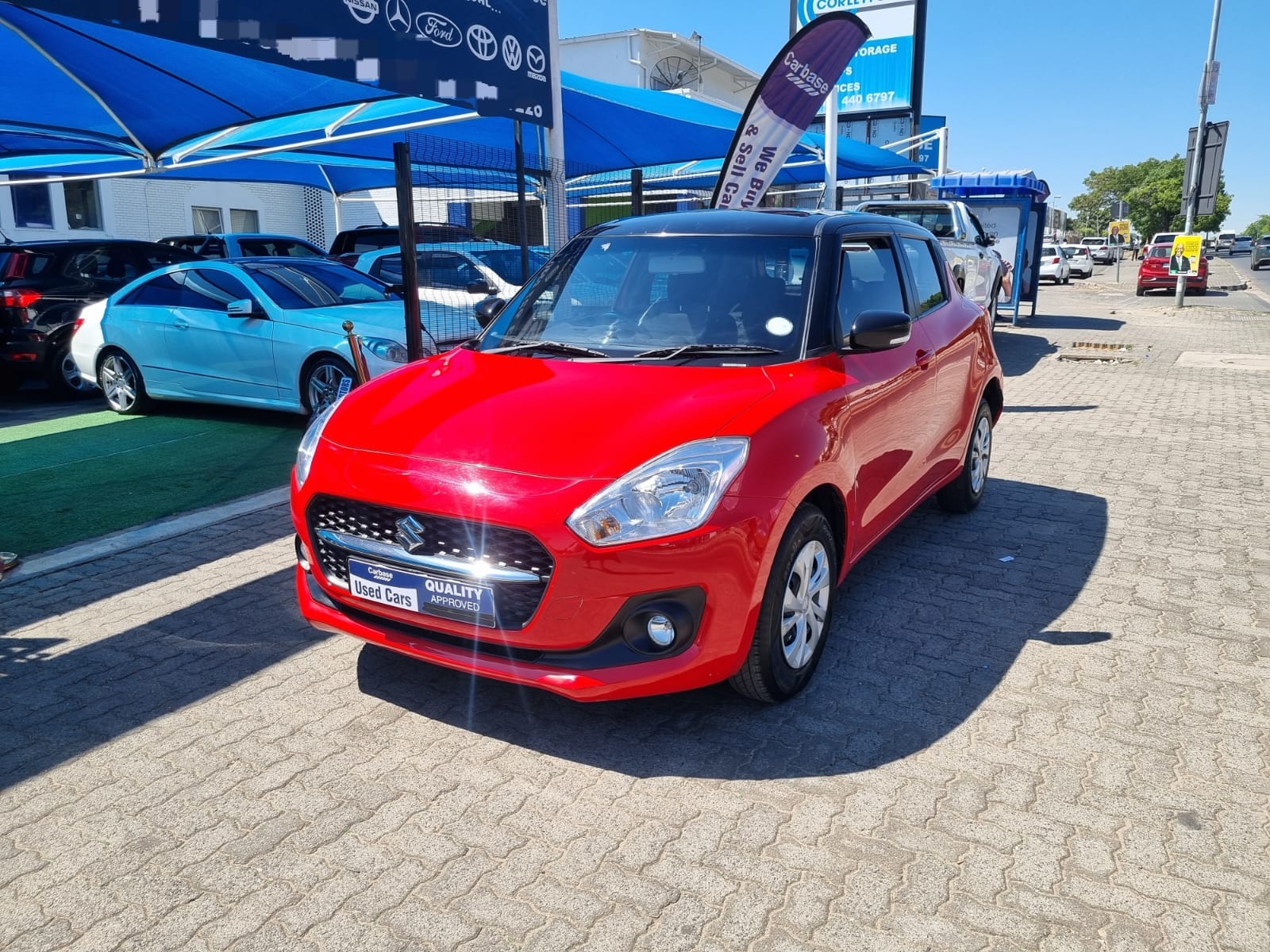
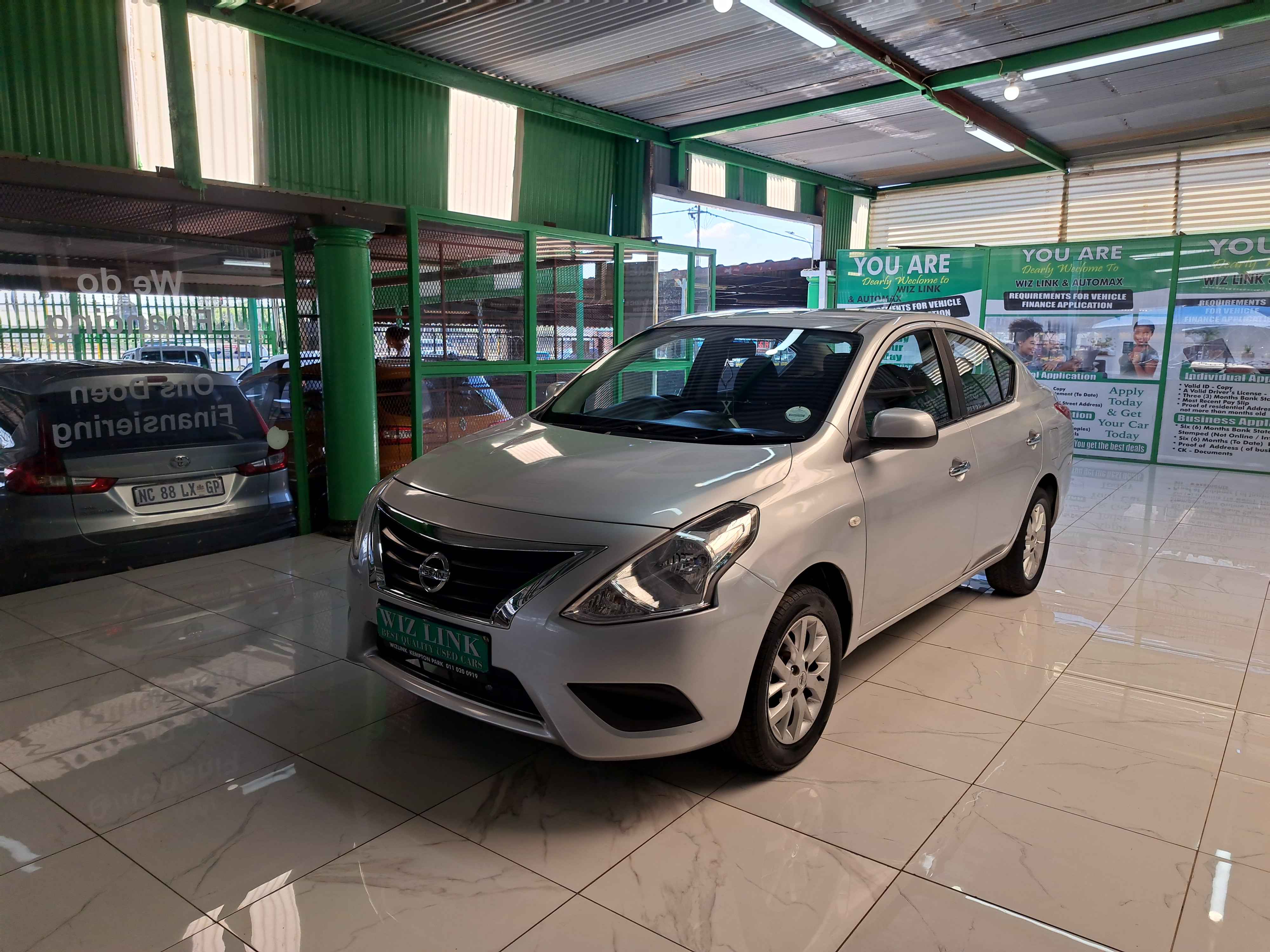
The sector is predominantly export-oriented. In 2023, the industry exported over 350,000 vehicles to more than 150 countries, with Europe being a key market. This export focus has fostered world-class manufacturing standards and technological capabilities. Furthermore, the aftermarket and dealership networks represent a sophisticated, nationwide ecosystem for sales, financing, and maintenance, supporting a vibrant used-car market that is the lifeblood of mobility for millions of South Africans.
The Gathering Storm: Pressures Mounting on Multiple Fronts
Despite this strong base, the industry is besieged by a confluence of headwinds that threaten its stability and growth.
1. The "Logistics Winter": Ports, Rail, and the Cost of Inefficiency
The most immediate and severe crisis is the catastrophic state of South Africa’s logistics infrastructure. Transnet’s operational failures at key ports like Durban and Ngqura (Gqeberha) have created massive backlogs, leading to shipping delays of weeks, not days. The collapse of the freight rail network has forced more automotive components and finished vehicles onto the road, skyrocketing costs and exacerbating road deterioration.
For an industry that runs on just-in-time manufacturing principles and depends on efficient exports, this is a body blow. Manufacturers face millions in losses from production stoppages due to delayed parts, while export competitiveness is eroded by demurrage fees and unreliable delivery schedules. This "logistics tax" is making South Africa a less attractive investment destination at a time when global competition for automotive investment is fiercer than ever.
2. The Unrelenting Energy Crisis
While load-shedding has seen some recent abatement, years of unreliable electricity supply have left deep scars. Automotive plants are energy-intensive. Although many have invested heavily in solar and battery backup systems, these are costly capital expenditures that divert funds from expansion and innovation. For the vast network of component suppliers—many of whom are small and medium enterprises—the cost of generators and lost productivity remains a heavy burden, squeezing margins and threatening viability.
3. Global Shifts and Geopolitical Uncertainty
The industry is in the throes of a global paradigm shift towards electric vehicles (EVs) and digitalization. South Africa’s production is overwhelmingly geared towards internal combustion engine (ICE) vehicles for export, particularly to Europe. With the EU’s 2035 ban on new ICE vehicle sales looming, the country faces a profound "platform risk." Without a clear, accelerated strategy to attract EV and component manufacturing, a crucial export market could evaporate.
Furthermore, global supply chain disruptions post-pandemic and geopolitical tensions have highlighted the risks of concentrated sourcing. While this presents an opportunity for localisation, South Africa must compete with other emerging markets to capture new investment in battery or EV component manufacturing.
4. The Domestic Market Under Pressure
High interest rates, stubborn inflation, and low consumer confidence have dampened new vehicle sales in the domestic market. The National Association of Automobile Manufacturers of South Africa (NAAMSA) reported a plateau in new passenger car sales, with consumers holding onto vehicles longer and fuelling a robust but price-sensitive used car market. This puts pressure on dealer networks and manufacturer revenues.
The Road to 2035: Pathways Through the Turbulence
The challenges are daunting, but the industry’s Masterplan to 2035 provides a strategic roadmap. Its success, however, hinges on urgent and decisive action.
**1. EV Transition: From Risk to Opportunity.
The pace must accelerate. The official EV roadmap is a start, but tangible incentives for local EV assembly and component manufacturing are critical. Partnerships for battery production, leveraging South Africa’s mineral resources (like manganese, platinum, and vanadium), are essential. The recently announced investment from Beijing Automotive Group Co. (BAIC) to produce EVs locally is a positive signal, but more are needed. The industry must also develop a parallel strategy for green hydrogen and other alternative fuels for heavier vehicles.
**2. Logistics: A National Emergency.
Public-private partnerships (PPPs) for port and rail management are no longer a theoretical option but an urgent necessity. The Automotive Industry Masterplan itself identifies logistics as a key enabler. The government must facilitate these partnerships to bring in private sector capital, technology, and management expertise to resuscitate the logistics network. Every day of delay costs the economy and future investment.
**3. Doubling Down on Localisation.
Deepening the local supplier base is key to resilience and job creation. The Masterplan aims to increase local content from 39% to 60%. Achieving this requires focused support for component manufacturers, skills development in advanced manufacturing and mechatronics, and creating a stable policy environment that gives investors the confidence to commit for the long term.
**4. Leveraging the African Continental Free Trade Area (AfCFTA).
While global markets are crucial, Africa represents the industry’s next great frontier. With a burgeoning middle class, Africa’s vehicle demand is projected to grow significantly. South Africa’s established industry is uniquely positioned to be the automotive gateway to the continent under AfCFTA, producing vehicles tailored for African conditions and markets.
Resilience in the Balance
The state of South Africa’s automobile industry is one of tense anticipation. Its inherent resilience, skilled workforce, and established ecosystem are undeniable strengths. Yet, they are being tested like never before by a perfect storm of logistical decay, energy insecurity, and global technological disruption.
The path forward is clear, but the window for action is narrowing. It requires an unprecedented level of collaboration between industry, government, and labour. Government must move with speed to fix the logistics backbone and provide a coherent, attractive policy framework for the energy transition. Industry must continue to innovate, invest in upskilling, and aggressively pursue new market opportunities.
South Africa’s automotive journey has never been a smooth highway. It has always been a road of twists, turns, and steep climbs. Today, the industry faces one of its steepest grades yet. The decisions made and actions taken in the coming 24 months will determine whether it downshifts into decline or successfully navigates the bend towards a reinvented, sustainable, and globally competitive future. The engine is still running, but it needs the right fuel and a clear, open road ahead.
Guides








Reviews