 Trailers
 Buses
Buses
 Tractors
 Rollers
 Cranes
 Loaders
 Graders
 Forklifts
 Dozers
 Excavators
 Boats
Boats
 Caravans





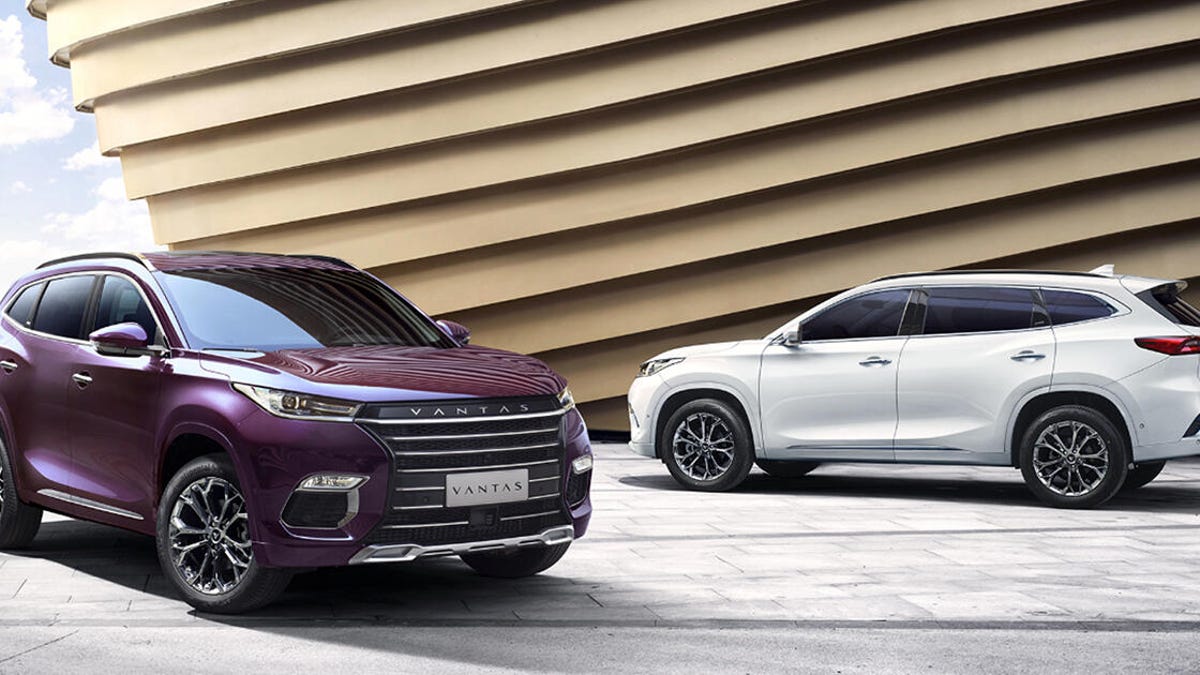
The Rise of Chinese Cars in South Africa: Transforming the Automotive Landscape
Over the last decade, Chinese-branded vehicles have rapidly moved from being a niche presence to a mainstream force in the South African automotive market. Once dismissed as low-cost alternatives with questionable quality, Chinese cars today are reshaping consumer expectations, dealer strategies, and competitive dynamics within the local industry. Their growing influence reflects broader global shifts in automotive manufacturing, evolving consumer priorities, and South Africa’s unique socio-economic landscape.
Competitive pricing and value proposition
One of the most immediate and visible impacts of Chinese vehicles in South Africa is their competitive pricing. Traditionally, South African buyers have been dominated by Japanese, European, and South Korean brands — such as Toyota, Volkswagen, Ford, and Hyundai — which often command higher prices due to established reputation, import tariffs, and strong resale values.
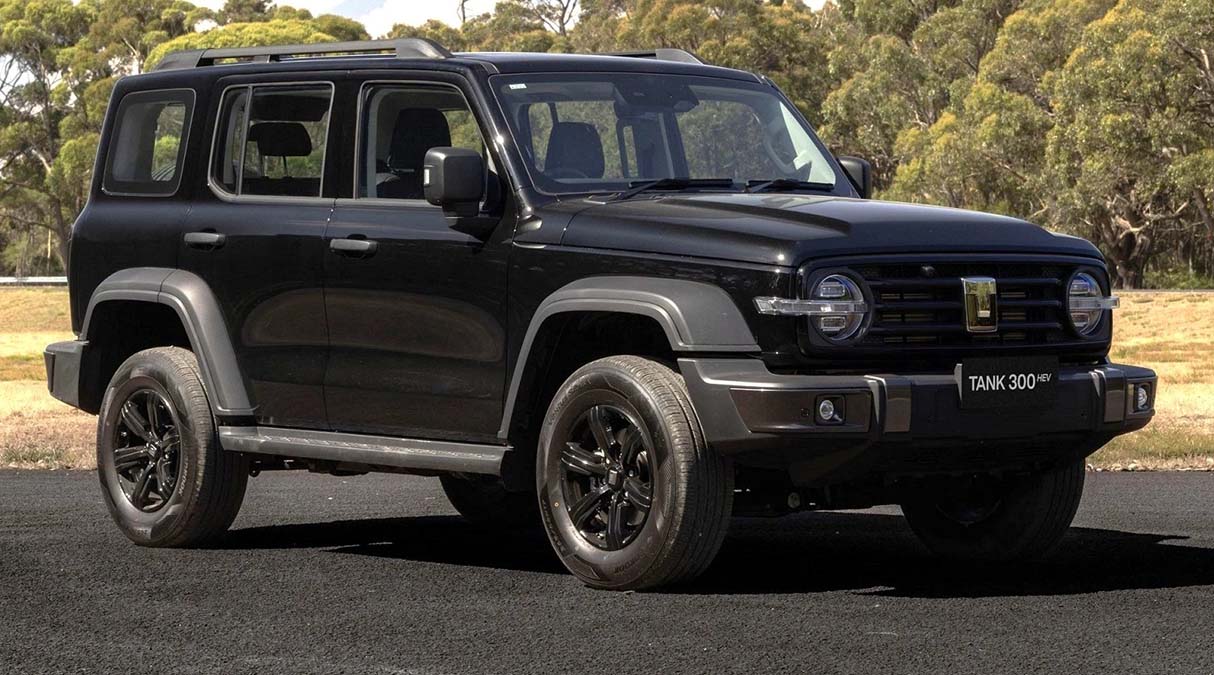
Chinese brands such as **Chery**, **GWM (Great Wall Motors)**, **Haval**, **BYD**, **BAIC**, and **JAC Motors** entered the market with very aggressive pricing strategies. These vehicles frequently undercut competitors on sticker price while offering compelling feature sets — for example, generous warranties, modern infotainment systems, and SUVs with desirable specs at budget prices.
This affordability has widened the entry point for many South African consumers, especially first-time car buyers and young families. In a market where economic constraints and cost of living pressures are real concerns, Chinese vehicles offer an accessible path to vehicle ownership that was previously limited or financially out of reach.
Pressure on local and international competitors
The influx of competitively priced Chinese vehicles has placed downward pressure on prices across the board. Established brands have had to rethink their pricing and feature strategies to remain competitive. This has stimulated more aggressive promotions, longer warranty packages, and locally tailored financing offers from other manufacturers.
Dealers who traditionally relied on the strength of brand recognition alone now find themselves needing to justify premium pricing with tangible value — either through product differentiation, service excellence, or loyalty incentives. In some cases, this has forced legacy automakers to introduce their own budget-friendly models to maintain volume sales, a clear example of market adaptation sparked by Chinese competition.
Consumer perceptions and evolving quality standards
A decade ago, Chinese cars were often associated with basic engineering and sub-par refinement. South African consumers were wary of reliability, safety, resale value, and long-term durability. However, the narrative has been shifting as Chinese manufacturers invest in improved technologies, better quality control, and partnerships with established global suppliers.
Brands like **BYD** have taken a lead in electric vehicles (EVs), positioning themselves not just as low-cost alternatives but as technology innovators. Others have improved build quality and design aesthetics, further challenging lingering prejudices about Chinese automotive standards.
This change in perception is partly driven by real improvements in product quality and partly by savvy marketing that emphasizes value, warranty coverage (often five years or more), and reassurance through local dealer networks. Consumer awareness is growing, and with it, acceptance that a Chinese-made vehicle can be both reliable and a smart financial choice.
Impact on the used car market
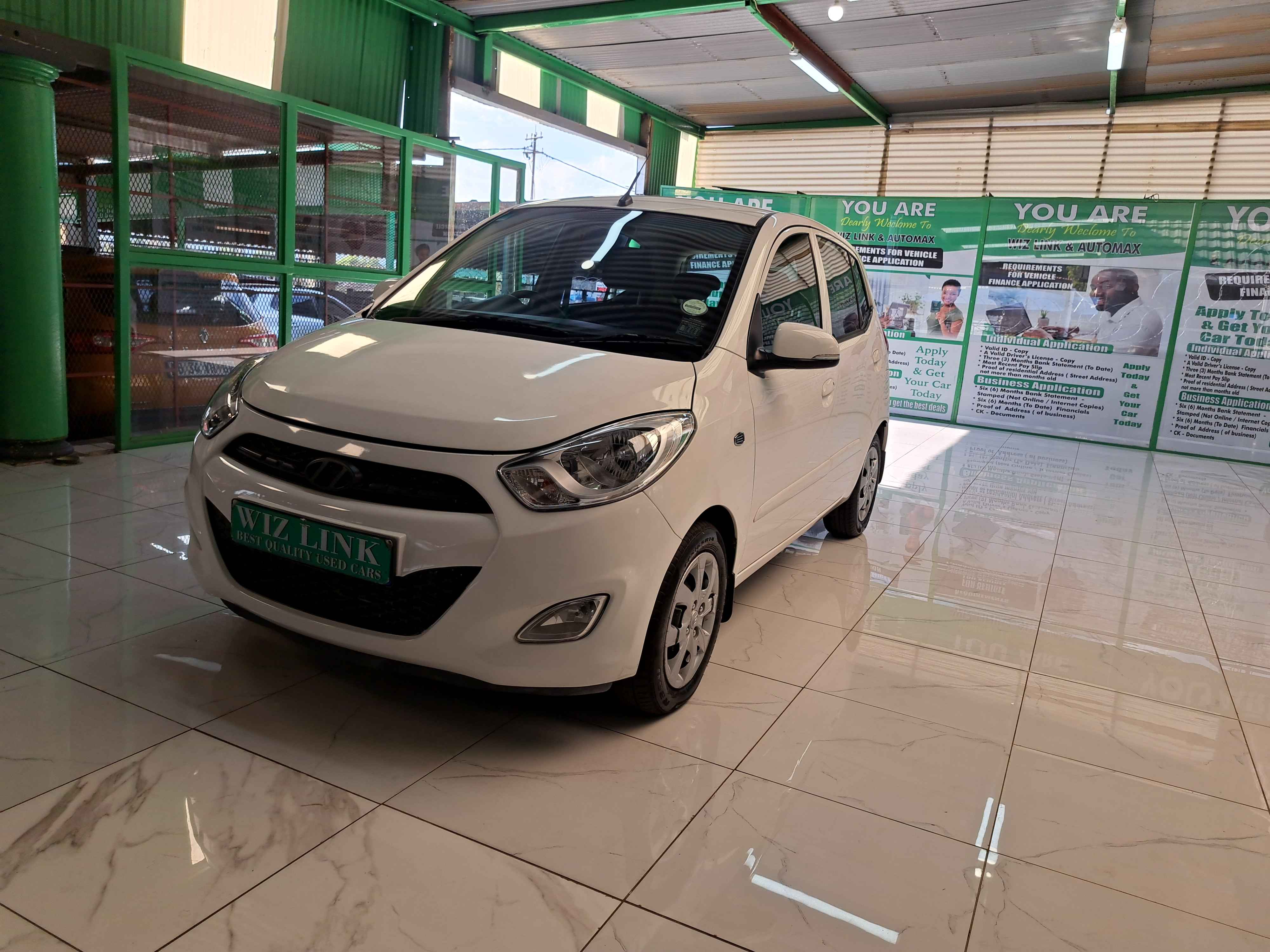
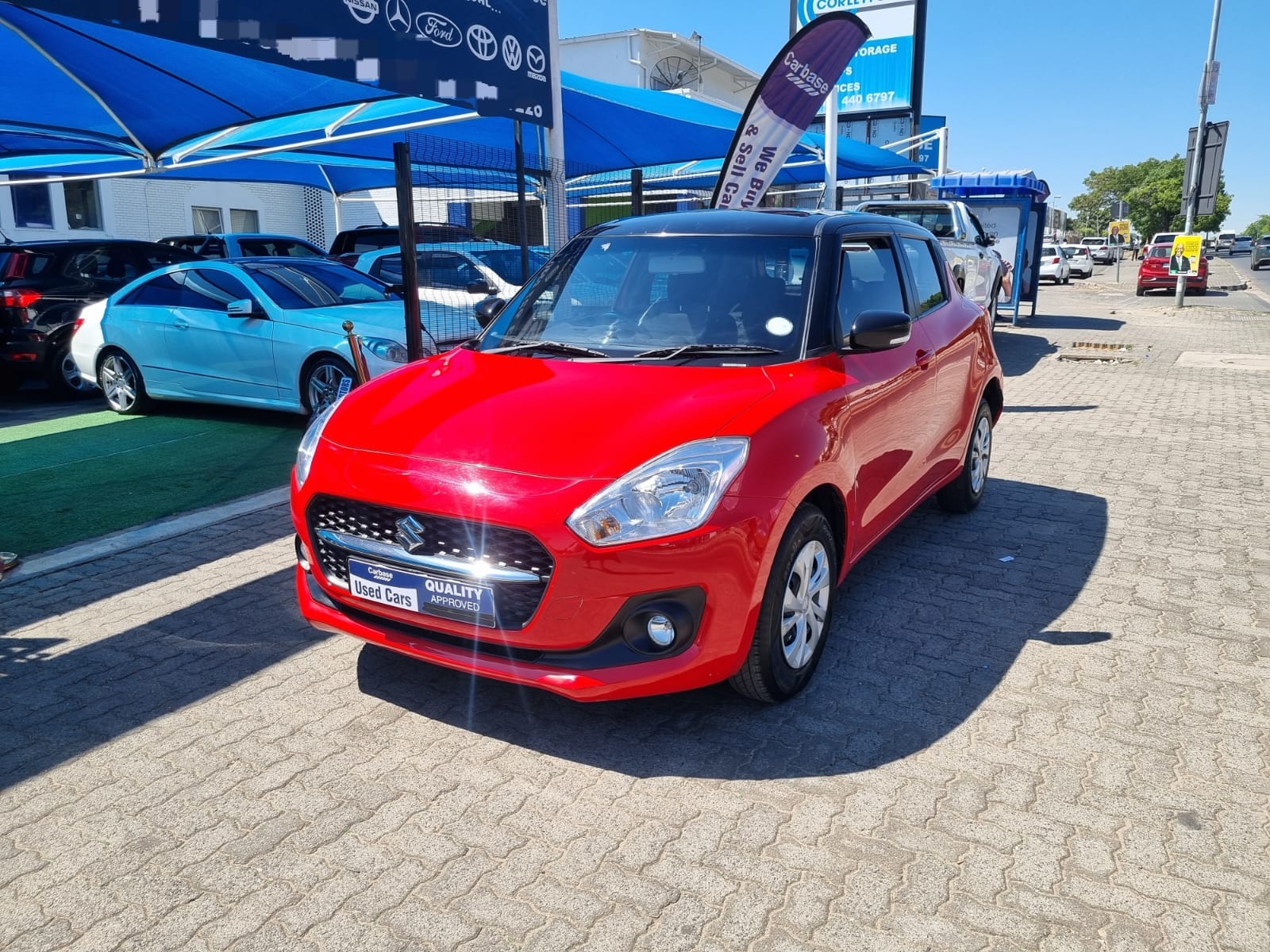
The arrival of Chinese cars has also rippled through the used car market. Affordable new models tend to depreciate similarly to other entry-level vehicles, but the lower capex (capital expenditure) for buyers means that the cost of ownership — including depreciation — can still be appealing.
Some secondary market buyers have been cautious, pricing Chinese models lower due to unfamiliarity or perceived risk. Over time, however, as more vehicles complete warranty periods without major issues, the perception of value in the used market may rise, creating healthier demand curves for these cars after their initial lifecycle.
After-sales and service ecosystem
An often overlooked but critical dimension of automotive impact is after-sales service and support. Early Chinese car imports sometimes faced challenges due to limited local service networks and parts availability. South African buyers expect robust dealer support, especially in regions beyond major cities where automotive infrastructure can already be stretched.
In response, Chinese brands have been expanding dealer networks, training technicians, and building parts inventories to support their vehicles locally. While progress is uneven across brands and regions, newer entrants are typically more prepared to meet these expectations, understanding that customer trust hinges on reliable service long after the sale.
The electric vehicle (EV) frontier
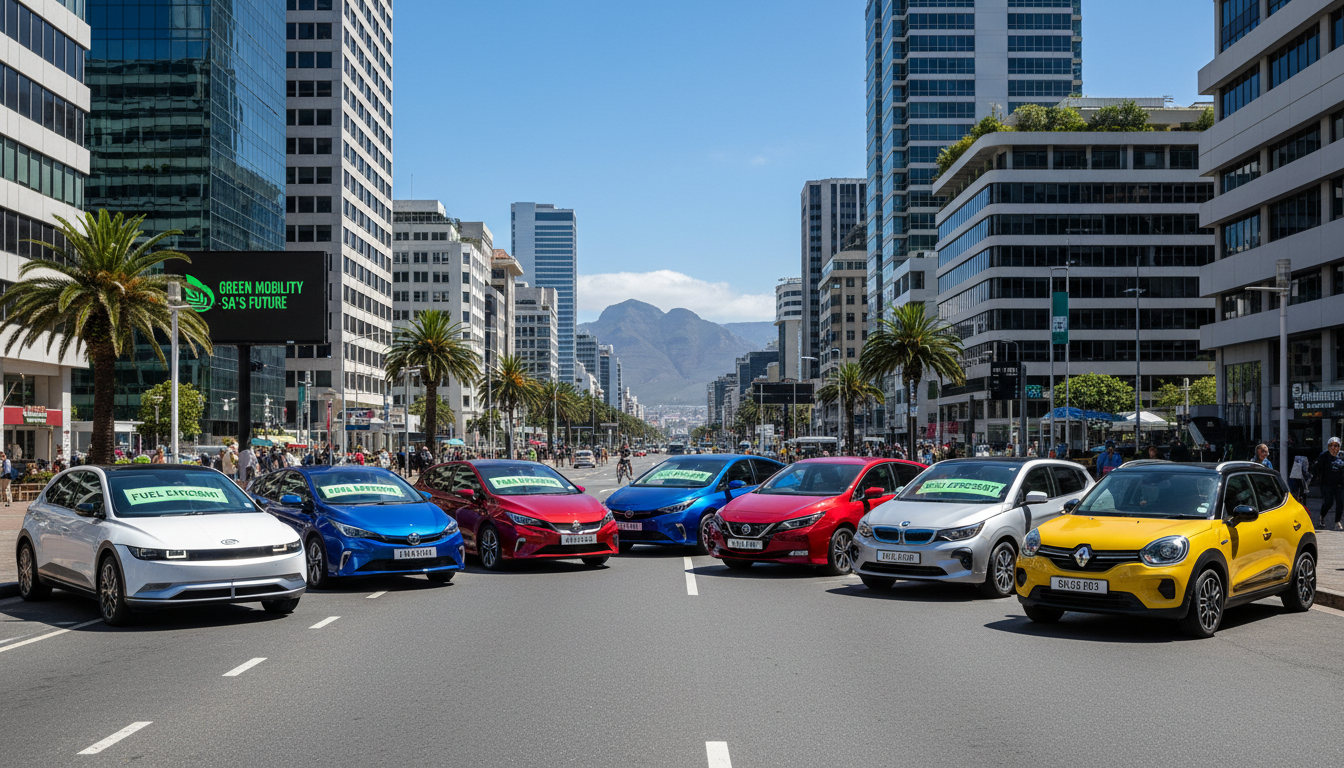
Perhaps the most significant long-term impact of Chinese vehicles in South Africa centers on electric mobility. South African EV uptake has historically been slower compared to global benchmarks due to high prices, limited charging infrastructure, and regulatory inertia. Chinese automakers — especially **BYD** and others investing heavily in EV offerings — could help accelerate this transition.
If Chinese EVs can deliver compelling value — blending affordability with range, quality, and dealership support — they may catalyse broader adoption of electric vehicles in South Africa. This trend could influence energy policy, infrastructure investment, and even environmental outcomes in a country grappling with both emissions concerns and energy security challenges.
Challenges and criticisms
Despite their positive market disruption, Chinese cars in South Africa face criticism. Skeptics point to ongoing concerns about long-term reliability, safety ratings in global tests, and the durability of components in tough driving conditions. There’s also the broader geopolitical dimension: some South African stakeholders express caution about growing dependence on Chinese manufacturing within a broader context of global trade and investment.
Furthermore, local automotive manufacturing — a significant employment generator — must balance cheap imports with the sustainability of domestic suppliers and assembly plants. Policy responses may emerge that protect local jobs while still allowing competitive imports, but this balancing act will be delicate and politically charged.
Looking ahead
Chinese automotive influence in South Africa is neither a fleeting trend nor a uniform experience. It’s a dynamic transformation that combines affordability, evolving consumer acceptance, competitive pressure, and the potential acceleration of new mobility technologies like EVs.
For consumers, this competition has translated into better choices and stronger value. For established automakers, it has meant adapting to new market realities. And for the industry at large, it has opened conversations about what the future of mobility looks like in a country balancing economic pressures with technological aspirations.
Ultimately, whether Chinese cars become a dominant force or simply a respected part of a diversified market will depend on how well these brands continue to align quality, service, and value with the expectations of South African buyers
Guides



Reviews