
 Trailers
 Buses
 Tractors
 Rollers
 Cranes
 Loaders
 Graders
 Forklifts
 Dozers
 Excavators
 Boats
 Caravans


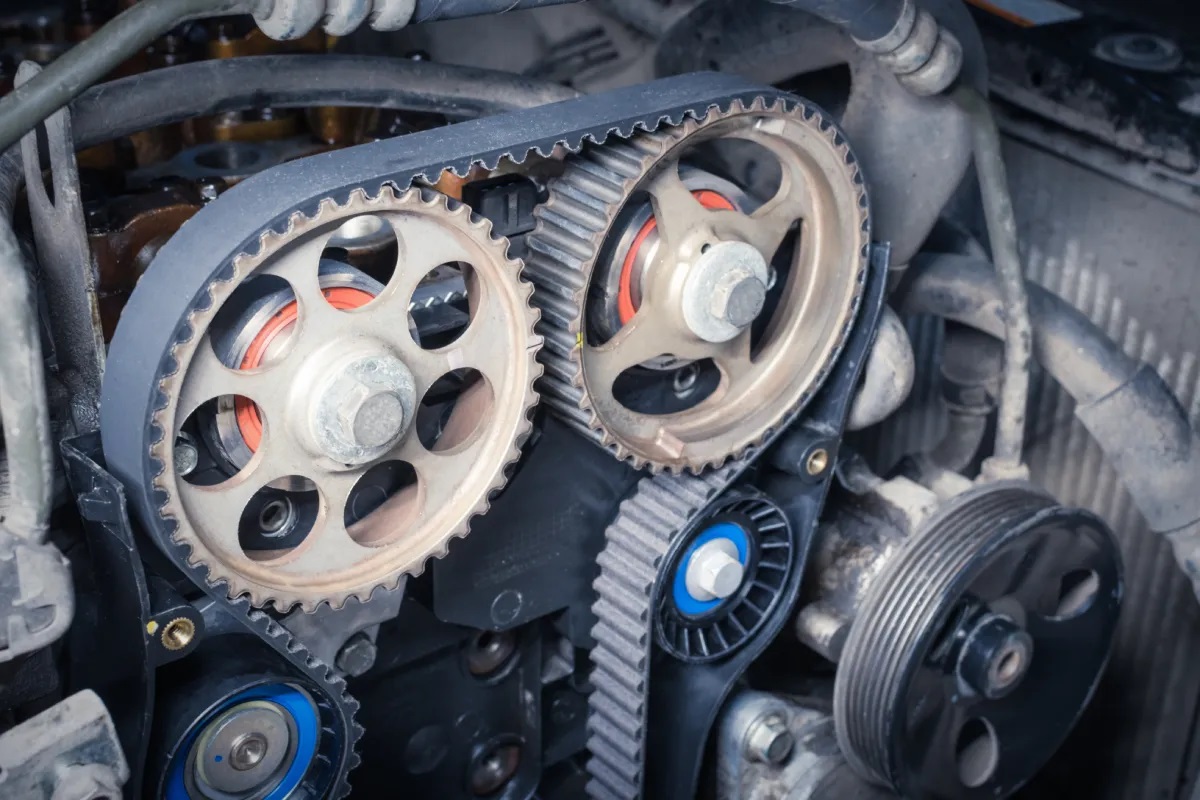
The risk of buying a "wet belt" car in South Africa
Buying a used car in South Africa can be a practical way to save money, but some vehicles come with hidden mechanical risks that can turn a seemingly good deal into an expensive mistake. One issue that deserves particular attention is the wet timing belt, a type of engine belt that operates inside the engine and runs in contact with engine oil. Although this technology was designed to improve efficiency and reduce friction, it has become a concern for some motorists because of the potential cost of belt deterioration and engine damage.
Before purchasing a vehicle fitted with a wet belt, it is important to understand how the system works, the risks involved, and the precautions you should take.
1. What Is a Wet Timing Belt?
Unlike a conventional dry timing belt, which operates outside the engine in a relatively dry environment, a wet timing belt runs inside the engine and is lubricated by engine oil. It synchronises the crankshaft and camshaft, ensuring that the engine's valves open and close at the correct time.
Wet belts are used in certain engines because they can reduce mechanical friction, noise and fuel consumption. However, the belt's rubber compound must withstand prolonged exposure to hot engine oil and the chemical additives contained in it.
If the belt begins to deteriorate, small particles of rubber can enter the engine oil. These particles may accumulate in the oil strainer or other parts of the lubrication system, potentially restricting the flow of oil to essential engine components.
2. The Risk of Expensive Engine Damage
One of the biggest risks associated with buying a wet belt car is the possibility of serious engine damage if the belt deteriorates or fails.
As the belt breaks down, rubber debris can restrict oil circulation. If the engine does not receive sufficient lubrication, components such as bearings, the crankshaft and the turbocharger, where fitted, may suffer damage. In severe cases, the engine can seize or require a complete rebuild or replacement.
A timing belt that fails can also disrupt the synchronisation between the pistons and valves. In an interference engine, this may cause the pistons to strike the valves, resulting in extensive internal damage.
For a South African motorist, this can be financially devastating. A vehicle purchased at an attractive price may suddenly require repairs costing tens of thousands of rand, depending on the engine, the extent of the damage and the availability of parts.
Importantly, not every wet belt engine will fail, and the risk varies significantly between engine designs, maintenance histories and model years. Nevertheless, the potential consequences justify careful investigation before buying.
3. The Importance of Service History
In South Africa, where many used vehicles have travelled considerable distances, a complete service history is especially important. A car may look clean, drive smoothly and have low mileage, yet still have a deteriorating wet belt.
The biggest concern is whether the previous owner used the correct engine oil and changed it at the recommended intervals. Wet belts require oil that meets the specific manufacturer's approval. Using an unsuitable oil, neglecting oil changes or allowing fuel to contaminate the oil can accelerate belt deterioration.
A stamped service book is helpful, but invoices are even better because they show which oil and parts were used. Ford South Africa also advises owners to follow the replacement schedule applicable to their particular engine.
Ford Motor Company
+1
4. Which Cars Should Buyers Investigate?
Some engines fitted to vehicles sold in South Africa have attracted particular attention for wet-belt problems. These include certain Ford 1.0-litre EcoBoost petrol engines, Ford 2.0-litre EcoBlue diesel engines, and 1.2-litre PureTech petrol engines used in various Peugeot, Citroën and Opel models.
AutoTrader
+1
However, buyers should not assume every vehicle from these manufacturers has a wet belt. Different engine versions and production years can use different timing systems. Even a vehicle advertised as having a timing chain may contain a separate belt driving the oil pump.
Always confirm the exact engine code with an authorised dealer or a knowledgeable specialist before making a decision.
5. The Financial Risks for South African Buyers
The financial consequences extend beyond the cost of replacing the belt. Labour can be expensive because the belt is located inside the engine and requires specialised tools and considerable dismantling. Depending on the vehicle, the job may also involve replacing related components and cleaning the lubrication system.
If the engine has already suffered oil starvation, a belt replacement alone may not solve the problem. The buyer could face an engine rebuild or replacement, towing expenses and weeks without reliable transport.
This is particularly risky for buyers financing a used car. Monthly instalments continue even when the vehicle is off the road, and a major repair may not be covered by the manufacturer's warranty or an aftermarket warranty. Used-car prices should therefore be assessed alongside potential maintenance costs, not simply fuel economy and monthly repayments.
6. How to Protect Yourself Before Buying
Before purchasing a wet-belt vehicle, take these precautions:
-
Arrange an independent inspection: Choose a workshop experienced with the specific engine and ask for an assessment of the belt's condition.
-
Verify the maintenance records: Check oil specifications, service intervals and any previous belt replacements.
-
Request a written quotation: Find out how much preventive replacement costs, including associated components and any required oil-system cleaning.
-
Investigate warning signs: Oil-pressure warnings, unusual rattling, rough running or visible belt deterioration deserve further investigation. Their absence does not guarantee that the engine is healthy.
-
Negotiate based on risk: If the belt's replacement history is unknown, factor the potential repair into your offer or walk away if the seller refuses an inspection.
Conclusion
Buying a wet-belt car in South Africa is not necessarily a mistake, but it requires more research than buying a vehicle with a well-documented maintenance history and a conventional timing chain.
The key risks are premature belt deterioration, restricted oil circulation, expensive engine damage and uncertainty about the previous owner's maintenance practices. These risks can be particularly concerning when purchasing an older vehicle outside its warranty period.
Ultimately, the safest used car is not always the cheapest one, nor is it necessarily the one with the lowest mileage. It is the vehicle whose mechanical condition, service history and future maintenance costs you can verify.
If you are considering a wet-belt car, do your homework before signing the purchase agreement. A professional inspection and a few hours of research could save you tens of thousands of rand and prevent a reliable-looking car from becoming a costly financial burden.
Guides





Reviews

0 Comments
Post Comment