
 Trailers
 Buses
 Tractors
 Rollers
 Cranes
 Loaders
 Graders
 Forklifts
 Dozers
 Excavators
 Boats
 Caravans



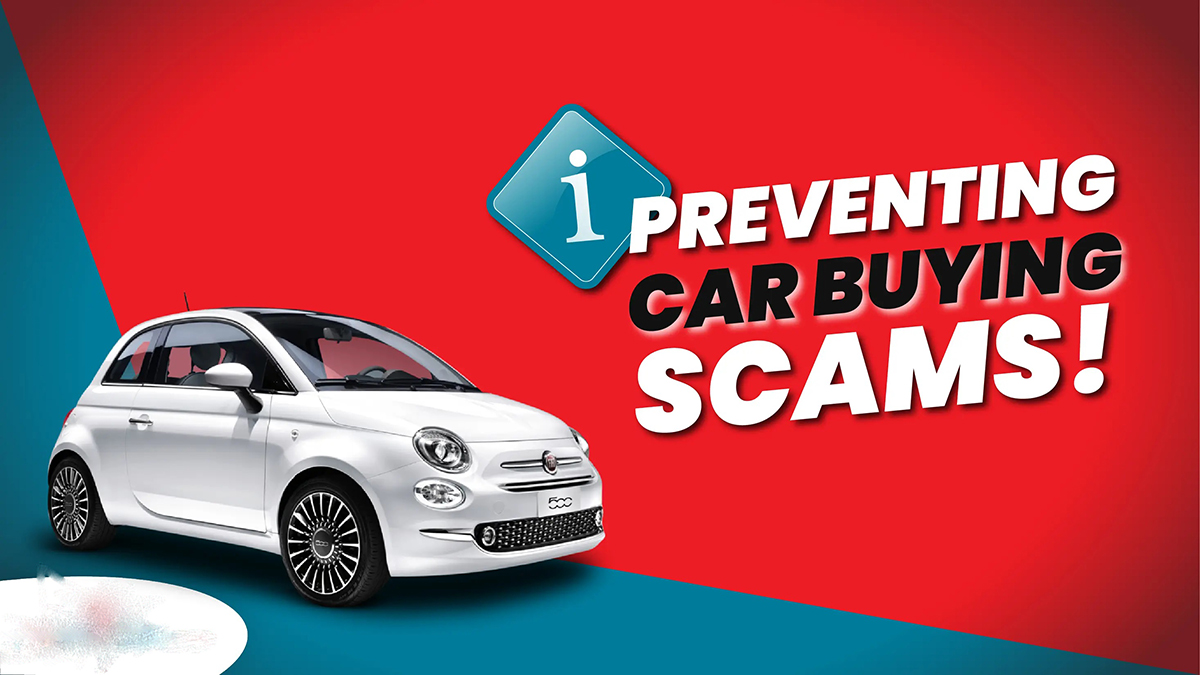
How to Check If a Car Seller Is Real or a Scammer
Buying a car is a major financial decision, and it is important to make sure that the person selling the vehicle is genuine before paying any money. Car scammers often advertise vehicles at attractive prices to trick buyers into sending deposits or making payments for cars they do not own. Fortunately, there are several ways to identify a trustworthy seller and avoid becoming a victim of fraud.
1. Check the Seller's Identity
The first step is to verify the identity of the person selling the car. Ask for their full name and a valid form of identification. If the seller claims to represent a dealership or company, check the business name, physical address, and contact details.
Compare the seller's name with the information on the vehicle registration documents. If the seller is not the registered owner, ask why they are selling the car on the owner's behalf and request appropriate proof of their authority.
Be cautious if the seller refuses to provide basic information, gives inconsistent answers, or makes excuses for not meeting in person. A genuine seller should generally be willing to cooperate with reasonable verification requests.
2. Research the Vehicle's Market Price
A price that is significantly lower than the market value can be a warning sign. Scammers often advertise popular vehicles at unusually low prices to attract buyers quickly.
Research similar vehicles of the same make, model, year, mileage, and condition on reputable car-selling websites. Compare several listings before deciding whether the advertised price is reasonable.
If the seller claims to be desperate to sell because they are moving overseas, relocating urgently, or experiencing a family emergency, do not let the story pressure you into making a quick decision. These explanations can be genuine, but scammers also use them to discourage buyers from conducting proper checks.
3. Inspect the Car in Person
Never rely entirely on photographs or videos when buying a used car. Arrange to inspect the vehicle in person, preferably during daylight hours and at a safe location.
Check that the vehicle identification number (VIN) and engine number match the relevant registration documents. Look for signs of accident damage, mismatched paint, unusual wear, or evidence that identification numbers have been altered.
Take the car for a test drive if appropriate and permitted. Better still, arrange an independent inspection by a qualified mechanic before committing to the purchase.
If the seller repeatedly refuses an in-person inspection or insists that the vehicle will only be delivered after payment, treat this as a serious warning sign.
4. Verify the Vehicle's Documents
Ask to see the original vehicle registration documents and compare the details with the actual car. Check the registration number, VIN, make, model, and owner's information.
In South Africa, you should also establish whether the vehicle has outstanding finance, whether it has been reported stolen, and whether there are any legal or administrative issues affecting the transfer of ownership. Use appropriate official channels or reputable vehicle-verification services.
Do not assume that documents are genuine simply because they look professional. Documents can be forged or altered. If anything seems suspicious, verify it with the relevant authority before proceeding.
5. Watch Out for Suspicious Payment Requests
One of the most important rules is never to pay a deposit simply because the seller says another buyer is interested. Scammers often create urgency by claiming that several people are competing for the same vehicle.
Avoid sending money to an unfamiliar person before verifying the seller, inspecting the car, and confirming the ownership documents. Be especially cautious about requests for payment through unusual channels, cryptocurrency, gift cards, or third-party accounts.
Whenever possible, arrange payment through a secure and traceable method. Confirm that the money is going to the verified seller or authorised business. Remember that a payment receipt alone does not prove that a transaction is legitimate.
6. Check the Seller's Online Reputation
Search the seller's phone number, email address, business name, and advertised vehicle details online. Look for complaints, reports of fraud, duplicate advertisements, or listings using the same photographs under different names.
If the seller claims to operate a dealership, check whether the business has a verifiable physical address and an established reputation. However, remember that scammers can impersonate legitimate dealerships and create convincing fake profiles.
Contact the dealership using contact information obtained independently from its official website, rather than relying only on the number provided in the advertisement.
7. Recognise Common Warning Signs
Be suspicious if the seller pressures you to act immediately, refuses to answer direct questions, offers a price that seems too good to be true, or claims that an agent must receive payment before you can see the car.
Other warning signs include inconsistent personal details, poor-quality or copied photographs, excuses for being unable to meet, and requests for sensitive personal or banking information.
Trust your instincts. If something feels wrong, pause the transaction and investigate further.
Conclusion
Checking whether a car seller is genuine requires patience, careful observation, and independent verification. Confirm the seller's identity, inspect the vehicle, verify its documents, research its market value, and avoid paying money under pressure. Never allow an attractive price or an urgent sales pitch to replace proper checks.
A legitimate seller should understand that buyers need time to verify important details before making a major purchase. If you discover suspicious information, walk away. It is far better to miss a potential bargain than to lose your money to a scammer.
Guides











Reviews

0 Comments
Post Comment