
 Trailers
 Buses
Buses
 Tractors
 Rollers
 Cranes
 Loaders
 Graders
 Forklifts
 Dozers
 Excavators
 Boats
Boats
 Caravans





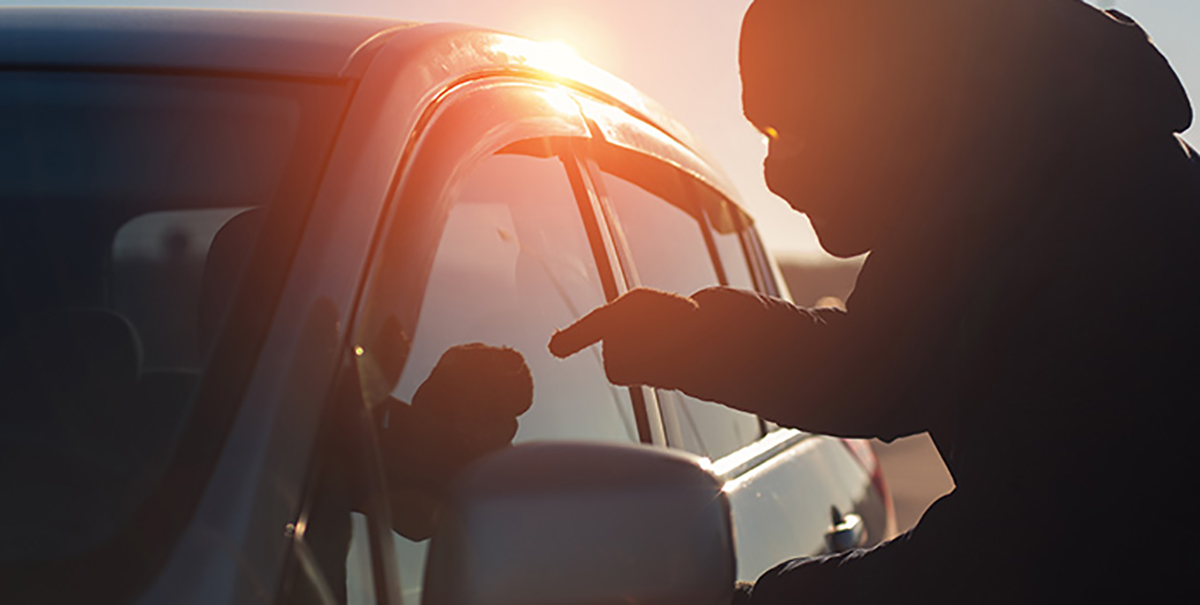
how to avoid being hijacked in south africa
Car hijacking remains a serious safety concern for motorists in South Africa. Drivers can reduce their risk by staying alert, recognising suspicious situations and adopting safer driving habits. Although no precaution can guarantee complete protection, simple steps taken before, during and after a journey can help motorists avoid dangerous situations and respond more effectively if confronted by criminals.
From approaching your driveway to stopping at traffic lights, being aware of your surroundings is essential. The priority should always be protecting human life rather than attempting to save a vehicle or other possessions.
1. Stay alert when approaching your destination
One of the most important precautions is to remain vigilant when driving into your residential area, workplace or driveway. Hijackings can occur when motorists slow down, stop or wait for gates to open.
Before arriving at your destination, check your surroundings and look for anything unusual. Avoid becoming distracted by your phone, adjusting your entertainment system or concentrating exclusively on your navigation device.
If something appears suspicious, do not immediately pull into your driveway or stop next to your gate. Continue driving towards a safer, populated location if it is safe to do so, and contact security or the police if you believe you are being followed.
When arriving home, have your access arrangements ready in advance so you spend as little time as possible stationary outside the property.
2. Keep your doors locked and windows closed
Make it a habit to lock your vehicle doors as soon as you enter the car and keep your windows closed or only slightly open where practical. This creates an additional barrier between you and anyone attempting to reach into the vehicle.
Avoid leaving handbags, laptops, mobile phones and other valuables visible on seats. Such items can attract unwanted attention and make your vehicle a more appealing target for opportunistic crime.
Keep your phone within reach but avoid using it while driving. Distraction reduces your ability to notice suspicious activity and react safely to changing road conditions.
3. Be cautious when stopping at intersections
Traffic lights, busy intersections and congested roads require particular attention because vehicles frequently come to a complete stop.
Maintain enough distance from the vehicle in front to allow room for manoeuvring if traffic begins moving. Avoid stopping so close to the car ahead that you cannot move forward if necessary.
Remain aware of people and vehicles around you without making unnecessary assumptions about individuals based on their appearance. Look for specific concerning behaviour, such as someone repeatedly approaching your vehicle or attempting to open its doors.
If you feel uncomfortable at an intersection, remain calm and avoid sudden, dangerous manoeuvres. Never drive through a red traffic light or onto a pavement simply because you suspect a threat; any response must account for pedestrians and other road users.
4. Be careful when entering and leaving your property
Driveways and security gates can leave motorists vulnerable because they may have to wait while a gate opens or closes.
-
Check the area outside your property before entering.
-
Keep your vehicle moving if unfamiliar people are loitering near your gate and you feel unsafe.
-
Avoid opening your gate if another vehicle appears to be following closely behind you.
-
Arrange for household members or security personnel to assist when necessary.
-
Never leave your car idling unattended while opening a gate.
If you suspect you are being followed, drive towards a police station or another busy, secure public location instead of going home.
5. Plan your journeys and avoid unnecessary risks
Plan your route before starting your journey, particularly when travelling to unfamiliar areas. Use reputable navigation applications to identify suitable roads and avoid stopping in isolated places to check directions.
Where possible, vary your regular routes and travel times. Avoid unnecessary late-night journeys through unfamiliar or poorly lit areas, and consider travelling with someone when practical.
Never pick up hitchhikers or strangers, and be cautious about accepting unsolicited assistance from people who approach your vehicle. If your car develops mechanical problems, contact a reputable roadside assistance service rather than placing yourself in a potentially unsafe situation.
6. Invest in vehicle security
Vehicle security equipment can help deter theft and support recovery after a hijacking.
Consider installing a reputable vehicle tracking system, an alarm and an immobiliser. A steering-wheel lock can provide an additional visible deterrent. Make sure your tracking subscription is active and that you understand how to contact the provider in an emergency.
Keep your vehicle maintained, ensure you have enough fuel for your journey and store emergency contact numbers somewhere accessible.
Park in well-lit areas with security personnel or monitored access whenever possible. Before entering your vehicle, check your surroundings and make sure nobody is hiding inside.
These precautions cannot eliminate the risk of hijacking, but they can improve your overall security.
7. What to do if you are confronted by hijackers
If someone threatens you and demands your vehicle, prioritise your life over your possessions. Trying to fight, argue or escape can escalate an already dangerous situation.
-
Remain as calm as possible and follow instructions.
-
Keep your hands visible and avoid sudden movements.
-
Explain what you are doing before reaching for your seat belt or other items.
-
Do not resist, especially if the perpetrators are armed.
-
Leave your phone, wallet and vehicle behind if demanded.
-
Move away from the vehicle when instructed, without making threatening gestures.
Once you are safe, contact the police and your vehicle tracking company immediately. Provide the vehicle registration, make, model, colour and any other details that could assist the investigation. Notify your insurer and cancel any bank cards or devices that were taken.
In South Africa, call 10111 for the police or 112 from a mobile phone for emergencies.
Conclusion
Avoiding hijacking in South Africa requires preparation, awareness and sensible decision-making. Keeping your doors locked, checking your surroundings, planning journeys, securing your property and installing appropriate vehicle security can help reduce exposure to risk.
However, even the most careful driver cannot prevent every criminal incident. Do not blame yourself if you become a victim of crime.
Remember that your vehicle can be replaced, but your life cannot. Staying alert, avoiding unnecessary confrontation and seeking assistance from the authorities are among the most important steps you can take to protect yourself and your passengers.
Guides




Reviews

0 Comments
Post Comment