
 Trailers
 Buses
Buses
 Tractors
 Rollers
 Cranes
 Loaders
 Graders
 Forklifts
 Dozers
 Excavators
 Boats
Boats
 Caravans





How to Avoid Being Scammed When Buying a Car Online in South Africa
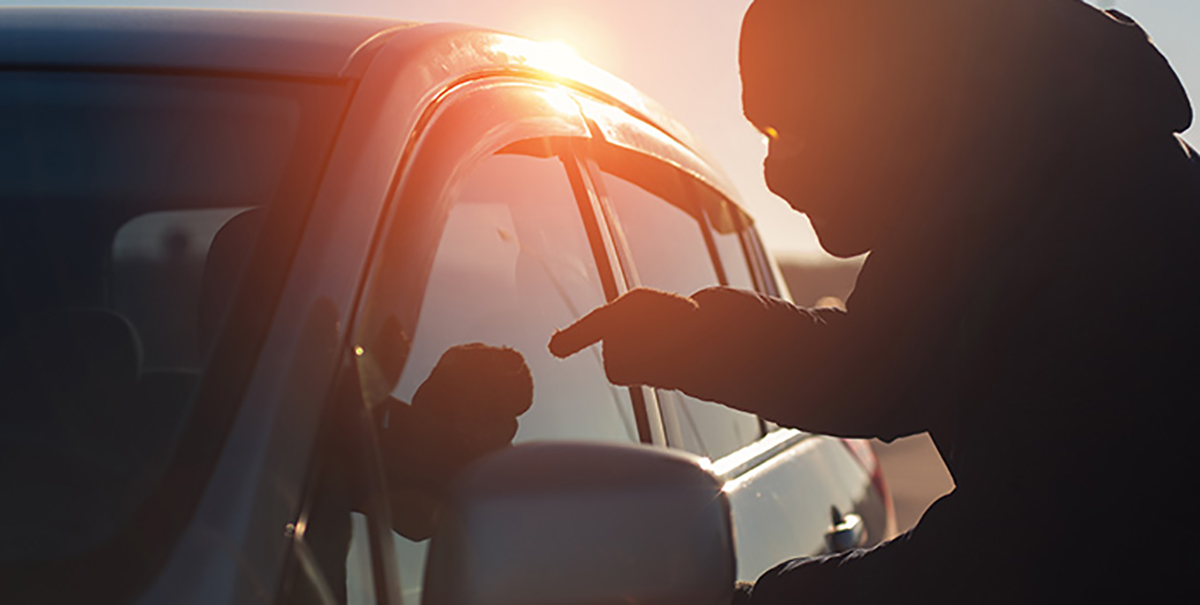
Buying a car online in South Africa can be convenient, affordable and time-saving. Websites and online marketplaces allow buyers to compare prices, explore different models and contact sellers without visiting multiple dealerships. However, online car shopping also comes with risks, including fake advertisements, stolen vehicles, fraudulent sellers and requests for payments that result in financial losses. To protect yourself, it is important to remain cautious, verify information and follow safe buying practices throughout the process.
1. Research the Seller Before Making Contact
The first step towards avoiding a car scam is checking whether the seller is trustworthy. If you are buying from a dealership, search for its official website, physical address, contact details and customer reviews. Be cautious if the dealership has little online history, inconsistent contact information or numerous complaints about fraud.
When dealing with a private seller, ask for their full name and arrange to meet them in person. Be suspicious of sellers who refuse to speak over the phone, avoid answering basic questions or claim they are selling the vehicle on behalf of someone who is unavailable. Scammers often create a sense of urgency by claiming that several buyers are interested and that you must pay immediately to secure the car.
2. Be Careful of Prices That Seem Too Good to Be True
An unusually low price is one of the most common warning signs of an online car scam. If a vehicle is advertised for significantly less than similar models, investigate why. The seller may be using an attractive price to encourage buyers to pay a deposit before discovering that the advertisement is fraudulent.
Compare the advertised price with similar vehicles of the same make, model, year, mileage and condition. Ask for an explanation if the price is unusually low. Although genuine bargains do exist, never let the excitement of a cheap deal prevent you from checking the vehicle and verifying the seller's identity.
3. Inspect the Car in Person
Never buy a car based only on photographs, videos or promises made online. Images can be stolen from legitimate advertisements, and a vehicle may look very different in person.
Arrange to inspect the car during daylight in a safe location. Check its bodywork, tyres, interior, engine and service records. Look for signs of accident damage, mismatched paint, unusual wear or inconsistencies in the vehicle's condition.
Whenever possible, take a qualified mechanic with you or arrange an independent pre-purchase inspection. A professional can identify mechanical problems that may not be obvious to an inexperienced buyer. Always take the car for a test drive, with the owner's permission, after confirming that it is safe and legally permitted to be driven.
4. Verify the Vehicle's Documents and Ownership
Before paying, confirm that the person selling the car has the legal right to sell it. Ask to see the vehicle registration certificate and compare the vehicle identification number (VIN) and engine number with the details on the vehicle and its documents.
In South Africa, the registration certificate and the relevant licensing records should be checked carefully. Make sure the seller's identity matches the ownership information, or obtain a clear explanation and supporting documentation if someone is selling on behalf of the registered owner.
You should also investigate whether the vehicle has been reported stolen, has outstanding finance or has a suspicious history. An independent vehicle history check can help identify possible problems, although no single check guarantees that a car is free of fraud or legal complications. If anything does not match, pause the transaction until the discrepancy is resolved.
5. Never Pay a Deposit Before Verifying the Deal
One of the biggest risks when buying a car online is paying money to someone advertising a vehicle they do not own. The South African Police Service has warned about scams in which fraudsters advertise cheap cars on social media, demand deposits and then disappear.
Avoid paying a deposit simply because a seller claims another buyer is ready to purchase the vehicle. Never send money for supposed delivery fees, vehicle-release fees or administrative charges before independently verifying the transaction.
When you are ready to buy, agree on the payment method and obtain a written sale agreement. For a high-value transaction, consider arranging payment through your bank or a reputable dealership's established process. Confirm that the funds are going to the correct person or business, and never rely on a screenshot or proof-of-payment message alone.
6. Use Safe Communication and Meeting Arrangements
Keep records of conversations, advertisements, invoices and payment agreements. Be cautious if a seller suddenly changes their phone number, requests payment into a different bank account or sends suspicious links asking for your personal or banking information.
When inspecting the car, take someone you trust with you and meet in a public, secure location during daylight. Tell someone where you are going and avoid carrying large amounts of cash. Do not enter a secluded property or agree to unusual meeting arrangements just because the seller insists.
Never share your banking password, PIN or one-time password (OTP) with anyone. Legitimate sellers do not need these details to complete a vehicle sale.
7. Complete the Ownership Transfer Properly
After agreeing on the purchase, make sure the paperwork is completed correctly. The seller should submit the required notification of change of ownership, and the buyer must register the vehicle in their name within 21 days of the ownership change, according to the South African government
Keep copies of the signed sale agreement, proof of payment and relevant vehicle documents. Confirm that the licence fees are up to date and establish whether a valid roadworthy certificate is required. If the vehicle is financed, verify the settlement arrangements directly with the financing institution before completing payment.
Do not accept vague promises that the paperwork will be sorted out later. A legitimate transaction should allow sufficient time to verify the documents and follow the proper legal process.
8. Report Suspicious Activity Immediately
If you suspect a scam, stop communicating with the seller and do not send further money. Save the advertisement, messages, telephone numbers, bank account details and payment records. Report the incident to the online platform and the South African Police Service. If you have already paid, contact your bank immediately to report the suspected fraud and ask whether the transaction can be stopped or traced.
Conclusion
Avoiding online car scams in South Africa requires patience, research and careful decision-making. Always investigate the seller, compare prices, inspect the vehicle, verify ownership documents and use secure payment arrangements. Never allow pressure, attractive bargains or fear of missing out to influence your judgement.
The golden rule is simple: verify the car, verify the seller and verify the payment before committing your money. Taking these precautions can help you avoid financial loss and make your online car-buying experience safer and more successful.
Guides








Reviews

0 Comments
Post Comment