
 Trailers
 Buses
Buses
 Tractors
 Rollers
 Cranes
 Loaders
 Graders
 Forklifts
 Dozers
 Excavators
 Boats
Boats
 Caravans





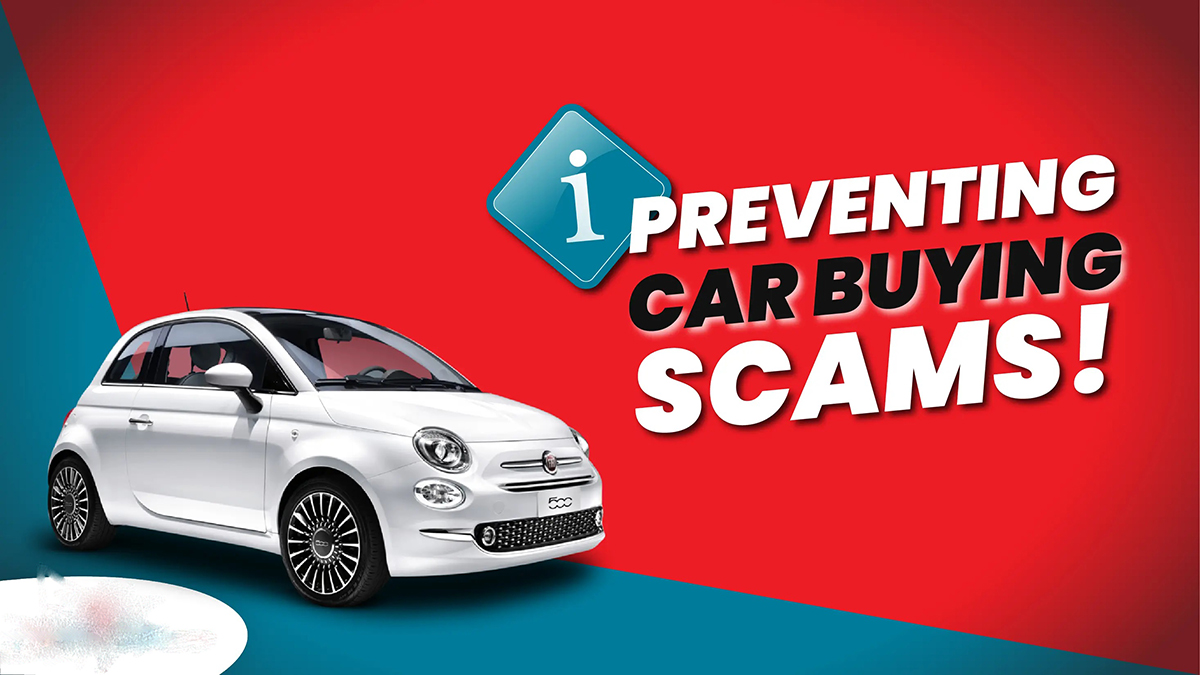
how to avoid being scammed when buying a car in south africa
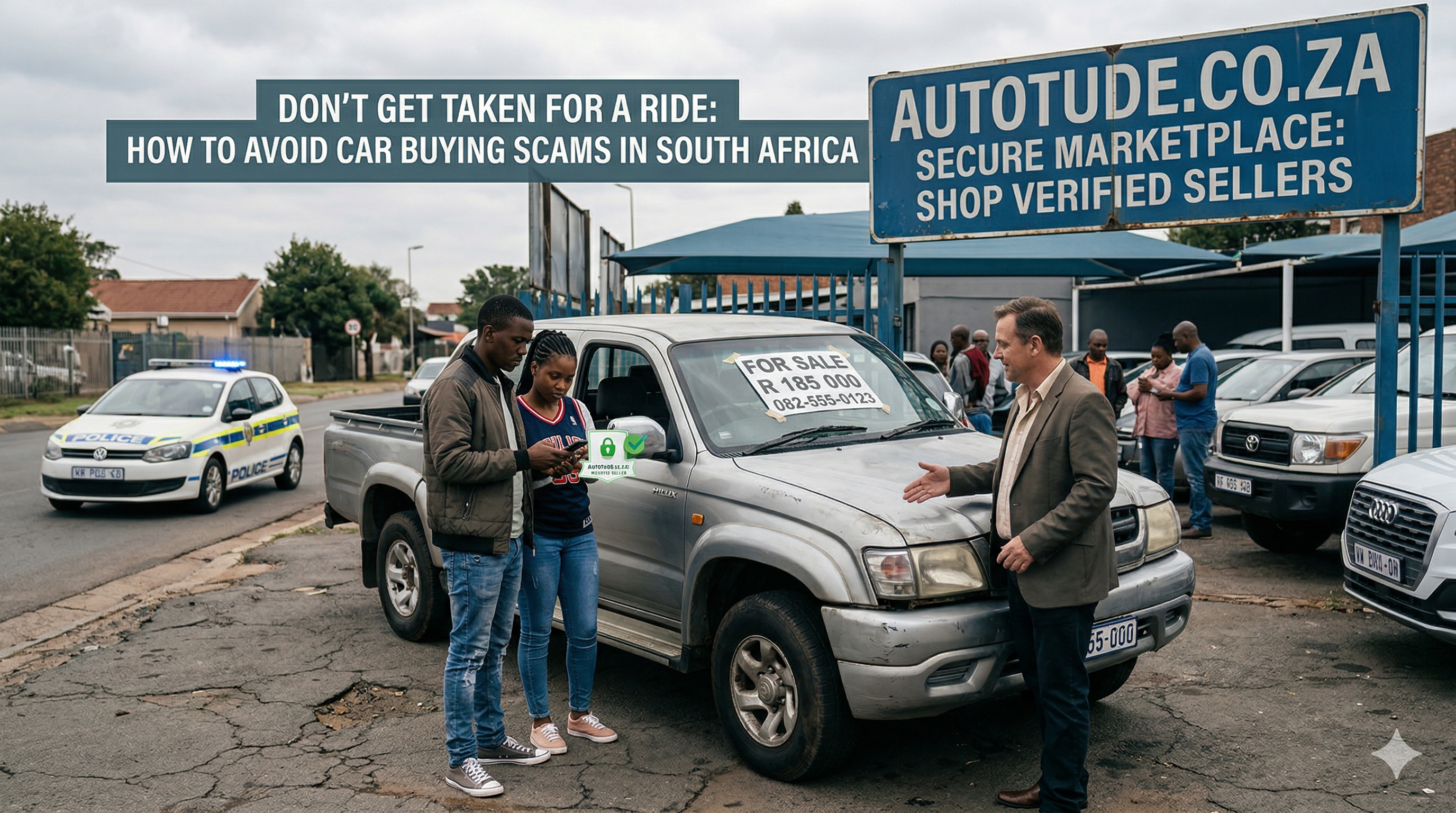
Buying a car in South Africa is a significant financial decision, whether you are purchasing a brand-new vehicle or a used model. While online marketplaces and dealerships make it easier to find a car that suits your needs and budget, they also create opportunities for scammers to target unsuspecting buyers.
From fake vehicle advertisements and fraudulent deposits to stolen cars and manipulated paperwork, car-buying scams can result in substantial financial losses. Fortunately, taking a few practical precautions can help you protect your money and make a more informed purchase.
Here are eight essential tips to help you avoid being scammed when buying a car in South Africa.
1. Research the seller before making a payment
Before contacting a seller or arranging a viewing, investigate their identity and reputation. If you are buying from a dealership, check its physical address, contact details, online reviews and business history. Visit the premises if possible, rather than relying entirely on photographs or messages.
Private sellers also require careful consideration. Ask whether the person selling the vehicle is its registered owner and request identification that matches the relevant documentation.
Be particularly cautious if the seller claims to represent an owner who is unavailable, insists on communicating exclusively through messaging applications or refuses to meet in person.
Scammers sometimes copy genuine vehicle advertisements and repost them using their own contact details. If you discover identical advertisements with different prices or telephone numbers, investigate before proceeding.
2. Be suspicious of prices that seem too good to be true
An unusually cheap vehicle can be tempting, especially when you are shopping on a limited budget. However, a price significantly below the market value should raise concerns.
Compare the advertised price with similar vehicles of the same make, model, year, mileage and condition. Check several reputable dealerships and online marketplaces to establish a reasonable price range.
Fraudsters may advertise luxury vehicles at attractive prices to pressure buyers into paying a deposit before someone else supposedly purchases the car.
Other warning signs include claims that the seller urgently needs money, requests for immediate payment and excuses for why the vehicle cannot be inspected.
A genuine bargain is possible, but you should never allow an attractive price to replace proper verification.
3. Never pay a deposit before verifying the vehicle
One of the most common risks when buying a car online is losing money through a fraudulent deposit request.
A seller may claim that several people are interested in the vehicle and demand a payment to reserve it. Once the money has been transferred, the seller disappears or invents additional fees.
Never pay a deposit simply because a seller is putting pressure on you.
First, inspect the vehicle in person, verify the seller's identity and confirm that the documentation is legitimate. If a deposit is genuinely necessary, obtain a written agreement that identifies the vehicle, the parties involved, the amount paid and the conditions under which the money will be refunded.
Be cautious about transferring money to an unrelated person's account. Confirm the account holder's identity and ensure that the payment recipient is the legitimate seller or an authorised dealership.
Remember that proof of payment is not proof that a transaction is genuine.
4. Check the vehicle's ownership and legal status
Before buying a used car, verify that the vehicle is legally registered and that the seller has the right to sell it.
Ask to see the vehicle's registration certificate and compare the vehicle identification number (VIN) and engine number on the car with the details on the documents. Any discrepancies should be investigated before you proceed.
You should also check whether the vehicle has outstanding finance, as this could create complications for a buyer. Where finance remains owing, contact the financial institution directly to establish the settlement process and ensure the debt is properly settled as part of the transaction.
The South African Police Service advises buyers to request appropriate police clearance where necessary and to inspect the vehicle personally before negotiating a deal.
5. Arrange an independent mechanical inspection
A car may look excellent in photographs but have serious mechanical problems or a history of accident damage.
Before finalising the purchase, arrange an independent inspection by a qualified mechanic or reputable vehicle assessment service. The inspection should cover the engine, gearbox, brakes, suspension, tyres, electrical systems and signs of previous accident repairs.
Request the service history and verify it with the relevant workshop or dealership where possible. Be cautious if the seller refuses an inspection or insists that you must buy the vehicle immediately.
Remember that a roadworthy certificate does not necessarily guarantee that a vehicle is mechanically sound or free from hidden problems.
6. Watch out for fake dealerships and repossessed-car scams
Fraudsters sometimes create websites or social media profiles that imitate legitimate dealerships, banks and vehicle auction companies. They advertise repossessed or auctioned cars at unusually low prices and demand upfront fees.
Always verify a dealership using independently sourced contact details. If an advertisement claims a bank owns the vehicle, contact that bank directly through its official website or telephone number to confirm the sale.
Never assume that a professional-looking website, logo, invoice or bank letter is genuine. Scammers can copy branding and produce convincing-looking documents.
The National Automobile Dealers' Association has also warned South African consumers about increasingly sophisticated digital vehicle scams.
7. Read every document before signing
Before signing a sales agreement or vehicle finance contract, make sure you understand the purchase price, deposit, interest rate, monthly instalments, additional fees and any balloon payment.
Check that the contract reflects the vehicle you inspected and includes any promises made by the seller. Never sign blank documents or allow someone to rush you through the paperwork.
If you are financing the vehicle, verify the offer directly with the financial institution using official contact details. Never disclose your banking passwords, PINs or one-time passwords to someone claiming to arrange finance.
Keep copies of the signed agreement, payment receipts, inspection report and all relevant correspondence.
8. Use secure payment methods and keep records
Pay only after the necessary checks have been completed and the transaction documents are in order. Confirm the recipient's banking details independently, particularly if the seller suddenly requests payment into a different account.
Avoid cash transactions involving large amounts, and never rely solely on a screenshot or proof of payment as evidence that funds have cleared.
If possible, complete the transaction through a reputable dealership with an established payment and vehicle handover process. Ensure that the ownership-transfer paperwork is completed correctly and that you receive all the necessary documents and keys.
If you suspect fraud after making a payment, contact your bank immediately and report the matter to the South African Police Service. Preserve advertisements, messages, invoices and banking details as evidence.
Conclusion
Buying a car in South Africa does not have to be a risky experience. By researching the seller, checking the vehicle's history, arranging an independent inspection and verifying all documentation, you can significantly reduce your chances of falling victim to fraud.
The most important rule is simple: never let pressure, an unusually low price or fear of missing out rush you into paying. A legitimate seller should allow reasonable time for verification.
Take your time, ask questions and walk away whenever something does not add up. Protecting your money starts with verifying the deal before signing or transferring a single rand.
Guides



Reviews

0 Comments
Post Comment