 Trailers
 Buses
Buses
 Tractors
 Rollers
 Cranes
 Loaders
 Graders
 Forklifts
 Dozers
 Excavators
 Boats
Boats
 Caravans





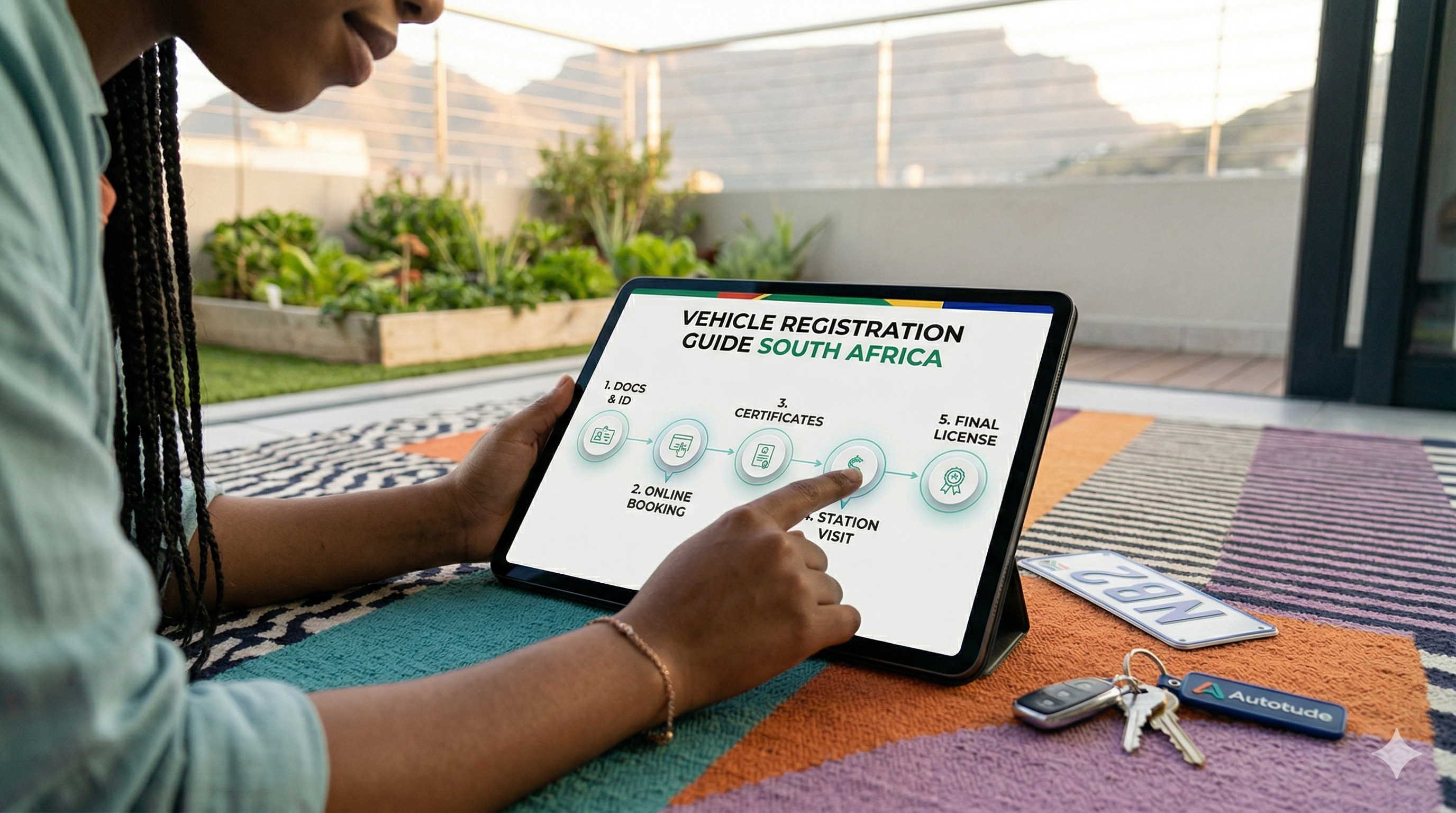
The Complete Guide to Vehicle Registration in South Africa
From Paperwork to Peace of Mind "Vehicle Registration in South Africa" – Everything You Need to Know
Let me paint you a picture.
You've just bought a car. The excitement is real. You're imagining road trips, the freedom of the open road, and that new (or new-to-you) car smell. But somewhere in the back of your mind, there's a nagging thought: "What about the paperwork?"
Here's the truth that most car buyers discover the hard way: buying the car is the fun part. Registering it? That's where the real work begins. And if you get it wrong, you could be stuck with someone else's traffic fines, a car that isn't legally yours, or even have the vehicle repossessed because the previous owner didn't settle their finance.
But don't worry. I've been through this process, and I'm going to walk you through every single step. By the end of this guide, you'll know exactly what forms to fill out, where to take them, and how to protect yourself from the most common registration nightmares.
Part 1: Why Registration Matters More Than You Think
Before we dive into the paperwork jungle, let's understand what vehicle registration actually means in South Africa.
Under the National Road Traffic Act, 1996 (Act No. 93 of 1996) , every motor vehicle on South African roads must be registered and licensed. This isn't just bureaucratic red tape—it's the legal framework that establishes who owns the vehicle, who is responsible for it, and who can be held accountable when things go wrong.
When a vehicle is registered, its details are recorded on the National Traffic Information System (eNaTIS). This is the government's central database that tracks every registered vehicle in the country. Think of it as the vehicle's permanent record—its birth certificate, school report, and criminal record all rolled into one.
Here's what makes registration so critical:
Aspect Why It Matters Legal ownership Proves you're the legitimate owner Liability protection Separates you from previous owner's fines and violations Resale value A clean registration history adds value Police verification Helps recover stolen vehicles Financing Banks won't touch an unregistered vehicle
The registration certificate (officially called the RC1 ) is the golden document. It proves who the legal owner is. And here's a crucial detail that many people miss: if your car is financed, the bank or finance house is the title holder (legal owner) until you've made the last payment. You are simply the owner (the person who uses the vehicle). That distinction matters when it comes to selling, transferring, or if the vehicle gets repossessed.
Part 2: The Critical 21-Day Rule
Here's the most important deadline you need to remember:
You must register a vehicle within 21 days of taking ownership. No exceptions. No excuses.
This applies whether you bought the car from a dealership, a private seller, or even if it's brand new. The 21-day clock starts ticking the moment ownership changes hands.
What happens if you miss the deadline?
The Department of Transport is not forgiving on this one. You'll face:
-
Arrear fees – Backdated licensing costs
-
Penalties – Additional charges for late registration
-
Potential legal complications – Especially if the vehicle is involved in an accident or traffic violation during the unregistered period
I've seen people try to "save money" by delaying registration. It never works out. The system tracks the ownership change, and the penalties add up quickly. Just get it done.
Part 3: Documents You Need (And Where to Find Them)
Let me break this down by scenario, because the requirements differ depending on how you're buying the vehicle.
For a New Vehicle (Straight from a Dealer)
If you're buying brand new from a registered dealership, they will often handle the registration for you—especially if you've paid the "on-the-road" (OTR) fee. But if you're doing it yourself, here's what you need:
Document Where to Get It Your South African ID Home Affairs Proof of residential address Utility bill, bank statement, or lease agreement (less than 3 months old) Proof of postal address (if different) Same as above Manufacturer's certificate The dealership provides this Completed RLV form (Application for Registration and Licensing of Motor Vehicle) Your local registering authority or the eNaTIS website
Special note for informal settlements: If you don't have a formal address with a utility bill, you'll need a letter from your ward councillor confirming your residential address. The letter must have an official date stamp.
For a Used Vehicle (Private Sale)
This is where things get more complicated, because you're dealing with a private individual rather than a professional dealership.
The process involves two separate submissions—one from the seller and one from you (the buyer).
What the seller must provide to you:
-
The vehicle registration certificate (RC1) in their name
-
A completed and signed Notification of Change of Ownership (NCO) form (the "yellow form")
-
Certified copy of their ID
-
Proof of their address
-
A valid roadworthy certificate (if the existing one is older than 60 days)
What you (the buyer) need to submit:
-
Your South African ID
-
Proof of your residential address
-
The RC1 certificate (handed over by the seller)
-
The roadworthy certificate
-
Proof of purchase (receipt or signed agreement)
-
Completed RLV form (the "blue form")
For Foreign Nationals
If you're not a South African citizen, you'll need a Traffic Register Number (TRN) before you can register a vehicle.
To apply for a TRN, you need:
-
A certified copy of your passport
-
A certified copy of your driver's license
-
Your temporary residence permit or travel document
-
Two black-and-white ID photographs
-
Proof of residential address
-
Completed ANR form (Application and Notice in respect of Traffic Register Number)
Processing a TRN application can take up to six weeks, so plan ahead if you know you'll be buying a car.
For Organisations and Businesses
If you're registering a vehicle in a company name (or for any non-person entity like a trust, church, or partnership), you also need a Traffic Register Number. You'll need to:
-
Appoint a representative and a proxy (they can be the same person)
-
Provide the business registration certificate
-
Submit a letter of proxy authorising the representative to act on behalf of the organisation
-
Provide the representative's South African ID
Part 4: Step-by-Step Registration Process
Let me walk you through the entire process from start to finish.
Step 1: The Seller Submits the NCO Form
The seller's first job is to complete and submit the Notification of Change of Ownership (NCO) form to their local registering authority.
This is the seller's most important protection. Once the NCO is submitted and stamped, the seller is officially removed from all future liability related to the vehicle. No more worrying about traffic fines, licensing fees, or accident claims that happen after the sale.
The seller should:
-
Submit the NCO in person if possible
-
Get a stamped receipt as proof of submission
-
Keep that receipt forever (or at least for a few years)
Step 2: The Buyer Submits the RLV Form
Within the same 21-day window, you (the buyer) need to submit the Application for Registration and Licensing (RLV) form, along with all your supporting documents.
Take everything to your local registering authority. They will:
-
Verify all the documents
-
Process the ownership transfer
-
Issue a new registration certificate in your name
-
Calculate and collect the required fees
If everything is in order, the transfer is typically processed the same day.
Step 3: Get Your Number Plates
You'll receive temporary paper number plates when you drive the car off the lot. These are only valid for 72 hours. Before that period ends, you need to have permanent number plates manufactured and affixed to the vehicle.
Most dealerships can arrange this for you if you've paid the on-the-road fee. If not, you'll need to:
-
Take your new registration documents to a registered number plate manufacturer
-
Have the plates made (they'll need to follow the standard format for your province)
-
Affix them to the vehicle (front and rear)
Step 4: Update Your Insurance
This step is critical and often forgotten.
As a buyer: Don't drive the car without insurance. Arrange coverage before you take possession.
As a seller: Once you've submitted the NCO form and have your stamped receipt, cancel your insurance immediately. You don't want to pay premiums for a car you no longer own.
Part 5: Special Cases and Complications
Not every vehicle registration is straightforward. Here are some special scenarios you might encounter.
Financed Vehicles
If the vehicle you're buying is still under finance, the bank is the legal title holder. The seller cannot simply hand over the RC1 certificate—the bank holds it until the loan is settled.
What needs to happen:
-
The seller must obtain a settlement letter from their bank
-
The seller must pay off the outstanding loan (using your payment or their own funds)
-
The bank issues a clearance certificate
-
Only then can the vehicle be transferred into your name
This is one reason why buying a financed car privately is riskier. If the seller takes your money and doesn't settle the loan, the bank can still repossess the car—and you'll have no legal claim to it.
Pro tip: Always do a vehicle history check (using the VIN) before buying. It will tell you if there's outstanding finance on the car.
Built-Up or Rebuilt Vehicles
If you've built a vehicle from parts or rebuilt a salvaged car, the registration process is more involved.
You'll need to submit:
-
An affidavit explaining where the parts came from (form SOA)
-
Police clearance request (form RPC)
-
Police identification request (form RPI)
-
De-registration certificate (if the vehicle was previously deregistered)
-
A weighbridge (mass measuring) certificate
-
Proof of title ownership
-
Letter of authority (if applicable)
The provincial help desk will then introduce the vehicle record on eNaTIS. A roadworthy test must be performed before final registration.
This process can take several days—the provincial help desk will contact you when the vehicle record is on the system.
Modified Vehicles
Similarly, modified vehicles require additional scrutiny. You'll need all the same documents as for a built-up vehicle, plus a roadworthy certificate specific to the modified configuration.
When Vehicle Registration Becomes Null and Void
Under the National Road Traffic Act, a vehicle's registration can become null and void in several situations:
-
The vehicle licence disc hasn't been renewed for more than four years
-
The vehicle was involved in an accident and declared permanently unfit for use
-
You sold the vehicle (ownership changed)
-
The vehicle was repossessed for more than 31 days
-
A deregistration certificate has been issued
If your registration becomes void, you cannot legally drive the vehicle on public roads until it's re-registered.
Part 6: What the Law Says – Protecting Borrowers and Lenders
The legal framework around vehicle registration isn't just about paperwork. It establishes clear rights and protections for both the person buying the car (or financing it) and the institution lending the money.
Protections for Borrowers (That's You)
The National Credit Act (NCA) requires full transparency
When you finance a vehicle, the credit provider must fully disclose all costs, including any "on-the-road" fees that are being financed. In a landmark 2025 Supreme Court of Appeal case (National Credit Regulator v BMW, Mercedes-Benz, and Volkswagen), the court ruled that:
-
OTR fees (registration, licensing, pre-delivery inspections, number plates, fuel) can be financed
-
BUT every fee must be itemised and disclosed separately
-
The dealer must show you both the cash price AND the total financed cost (including interest)
-
You must be given the choice to pay these fees upfront rather than finance them
This matters because financing a seemingly small R4,000 in fees can add thousands in interest over the life of a five-year loan. The law now requires that you make that decision with your eyes wide open.
Your rights as a registered owner
Once the vehicle is registered in your name (even if the bank holds the title), you have certain rights:
-
You cannot be arbitrarily deprived of the vehicle
-
The lender must follow proper legal procedures for repossession
-
You have the right to be notified of any default and given an opportunity to remedy it
Protections for Lenders (The Banks)
The title holder advantage
When a bank finances a vehicle, they register themselves as the title holder on the eNaTIS system. This gives them legal standing as the owner of record, even though you're driving the car.
If you default on payments, the bank can:
-
Repossess the vehicle (after following proper legal procedures)
-
Sell it to recover the outstanding debt
-
Claim any shortfall from you personally
Change of title holder notification
Regulation 52 of the National Road Traffic Regulations specifically addresses the procedure for changing title holder or owner information. This ensures that lenders can maintain accurate records of their collateral.
Duty of the title holder
Regulation 53 requires title holders to notify the registering authority of any changes to their particulars. This might seem like administrative detail, but it's crucial for maintaining the integrity of the vehicle registration system.
Protections for Sellers
The NCO form is your shield
As a seller, submitting the Notification of Change of Ownership form is your single most important protection. Once submitted and stamped:
-
You are no longer liable for traffic fines incurred after the sale
-
You are not responsible for the buyer's licensing fees
-
You cannot be held liable for accidents involving the vehicle after the transfer
Keep your proof
Always keep the stamped receipt from your NCO submission. If the buyer never registers the vehicle (and people do this to avoid fees), that stamped receipt is your proof that you fulfilled your legal obligation.
Part 7: Costs and Fees
Here's the frustrating answer: it varies by province.
Each registering authority sets its own fees for:
-
Registration
-
Licensing
-
Roadworthy certificates
-
Number plates
-
Late penalties
What you can expect to pay:
Fee Type Approximate Cost Registration fee R200 – R500 (varies by province) Annual license fee Based on vehicle weight and type (R300 – R1,500+) Roadworthy certificate R500 – R1,000 Number plates R150 – R300 per set Late registration penalties Additional fees (amount varies)
Budget tip: When you're negotiating a car purchase, ask whether the "on-the-road" fee is included. Many dealerships will handle all registration and licensing for an additional R2,000–R5,000. For many buyers, that convenience is worth every cent.
Part 8: Common Mistakes That Will Cost You
After helping dozens of people through this process, I've seen the same mistakes happen again and again.
Mistake 1: Not Getting the NCO Stamped
The seller submits the NCO form but doesn't get a stamped receipt. Six months later, the buyer hasn't registered the car. The seller starts getting traffic fines and licensing renewal notices.
Solution: Always get a stamped receipt. Always. Take a photo of it. Store it in a safe place.
Mistake 2: Assuming the Dealer Did Everything
You paid the on-the-road fee, so you assume the dealership handled registration. Three months later, you realize you've been driving an unregistered car with expired temporary plates.
Solution: Ask for proof. Get a copy of the registration certificate. Don't just assume.
Mistake 3: Ignoring the 21-Day Deadline
You're busy. Life happens. You'll get to it next week. Then next month. Suddenly it's been 90 days, and you're facing penalties and arrear fees.
Solution: Treat the 21 days as a hard deadline. Put it on your calendar. Make it a priority.
Mistake 4: Not Verifying the VIN
You trust the seller, so you don't check the Vehicle Identification Number against the registration certificate. Later you discover the car was stolen or has outstanding finance.
Solution: Always verify the VIN. It should match on:
-
The registration certificate
-
The dashboard (visible through the windshield)
-
The driver's door jamb sticker
-
The engine block (for older vehicles)
Mistake 5: Forgetting to Cancel Insurance
You sold the car and submitted the NCO. But you forgot to cancel your insurance. You're paying premiums for a car you don't own.
Solution: Cancel your insurance the same day you submit the NCO form.
Part 9: Frequently Asked Questions
How long does registration take?
If you have all your documents in order, the transfer is typically processed the same day at your local registering authority. However, if there are complications (outstanding finance, VIN mismatches, etc.), it can take longer.
Can I register a vehicle online?
Not entirely. While you can download forms online (like the RLV and NCO forms), you generally need to submit them in person at a registering authority. Some dealerships can handle the process electronically on your behalf.
What if I lose my registration certificate?
You'll need to apply for a duplicate at your local registering authority. You'll need your ID and proof of address, and you'll pay a fee for the replacement.
Do I need a roadworthy certificate for a new vehicle?
No. New vehicles come with a manufacturer's certificate that serves a similar purpose. Used vehicles require a roadworthy certificate issued within the last 60 days.
What's the difference between registration and licensing?
-
Registration establishes ownership and enters the vehicle into the eNaTIS database. This happens once (unless ownership changes).
-
Licensing is the annual fee you pay to keep the vehicle legal on the road. You renew the licence disc every year.
Can I drive with expired temporary plates?
No. Temporary paper plates are valid for 72 hours only. Driving beyond that with expired temporary plates is illegal and can result in fines.
What happens if the seller doesn't submit the NCO?
You're stuck. The seller remains the registered owner in the system, which means:
-
You can't register the vehicle in your name
-
The seller can still be held liable for your actions (which they won't appreciate)
-
You have no legal proof of ownership
Your only recourse is to contact the seller and get them to submit the form. If they refuse, you may need legal assistance.
Part 10: Your Pre-Registration Checklist
Before you head to the registering authority, run through this checklist:
For Buyers:
-
ID document (certified copy, not older than 3 months)
-
Proof of residential address (utility bill, bank statement)
-
Proof of postal address (if different)
-
Completed RLV form (blue form)
-
Vehicle registration certificate (RC1) from seller
-
Roadworthy certificate (less than 60 days old for used vehicles)
-
Proof of purchase (receipt or signed agreement)
-
Cash/card for fees (amounts vary by province)
For Sellers:
-
Completed and signed NCO form (yellow form)
-
ID document
-
Vehicle registration certificate (RC1) to hand to buyer
-
Stamped receipt from NCO submission (keep this forever)
Final Thoughts
Vehicle registration in South Africa isn't complicated—but it is precise. Every form matters. Every deadline counts. And the difference between doing it right and doing it wrong can cost you thousands of rands in fines, legal fees, or even the vehicle itself.
Here's my best advice: don't cut corners. Take the time to understand the process. Gather your documents before you need them. And if you're ever unsure, ask questions at your local registering authority—they've seen it all before.
The 21-day rule isn't a suggestion. It's the law. Respect it, and you'll drive away with peace of mind knowing that the car is legally yours, the previous owner can't haunt you with their unpaid fines, and the bank knows exactly where their collateral is.
Buying a car should be exciting. Registration paperwork doesn't have to ruin that excitement. Now you know exactly what to do.
Safe driving.
References
-
Department of Transport, South Africa. "Register motor vehicle." transport.gov.za
-
National Road Traffic Act, 1996 (Act No. 93 of 1996). SAFLII.
-
Supreme Court of Appeal judgment: National Credit Regulator v National Consumer Tribunal and Others (ZASCA 132, 12 September 2025).
-
Cars.co.za. "The complete guide to changing a vehicle's ownership in South Africa." (2 January 2026).
-
Renault South Africa. "Registration & licensing."
-
National Road Traffic Regulations, 2000. Acts Online.
-
Northern Cape Government. "Apply for a traffic register number."
Guides




2000 Escape 17
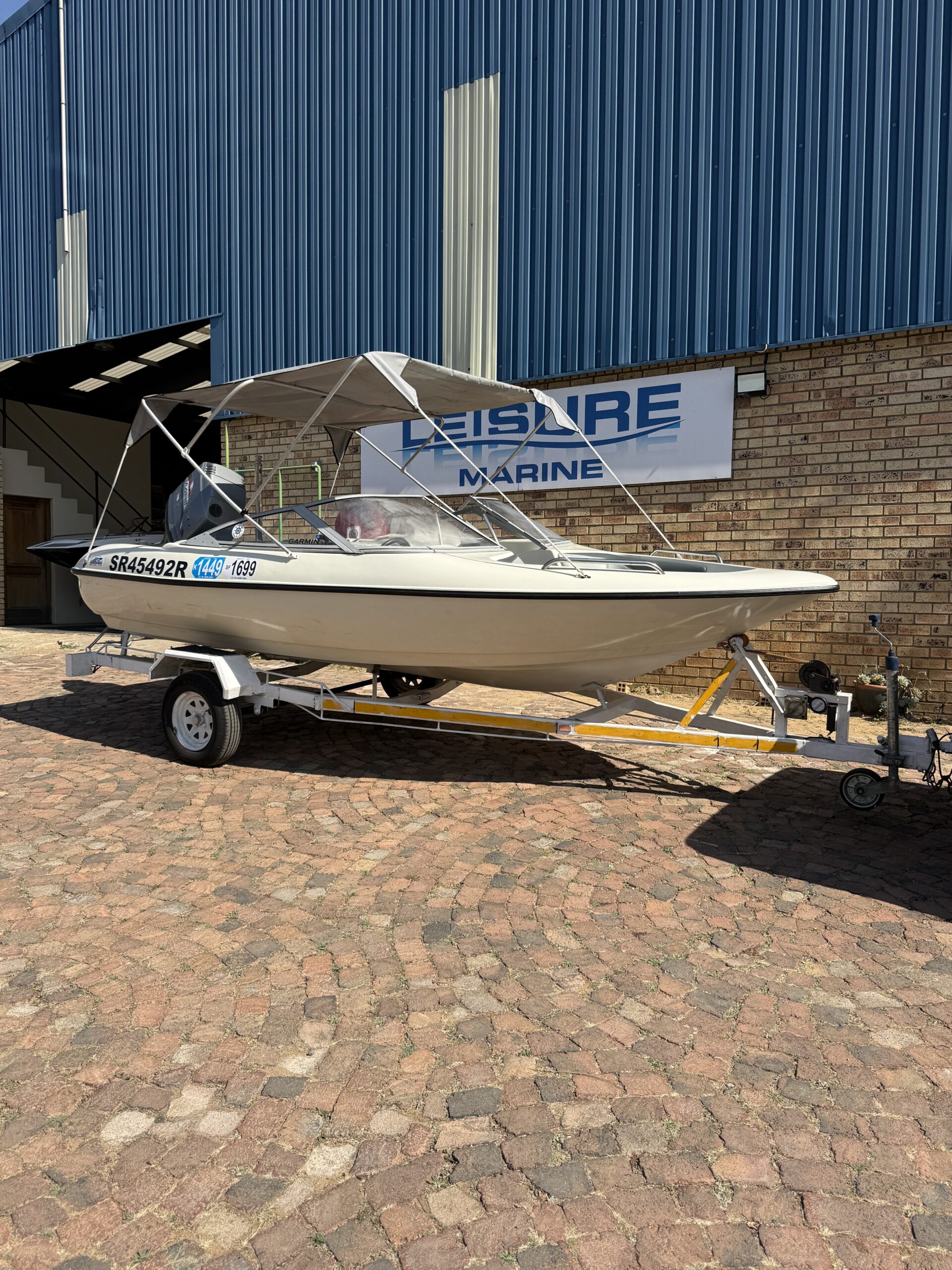
2010 Viking Velocity
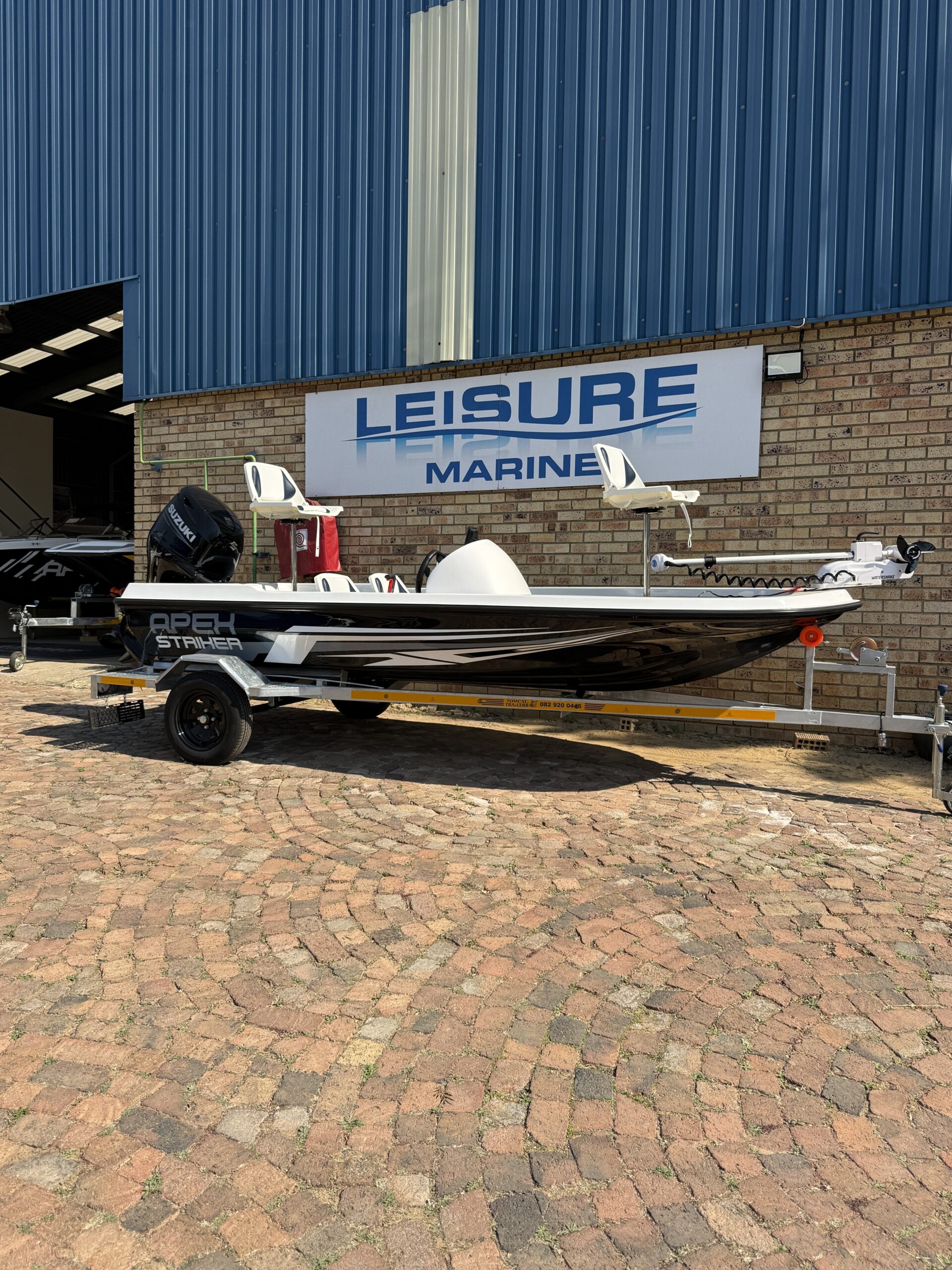
2026 Apex Striker
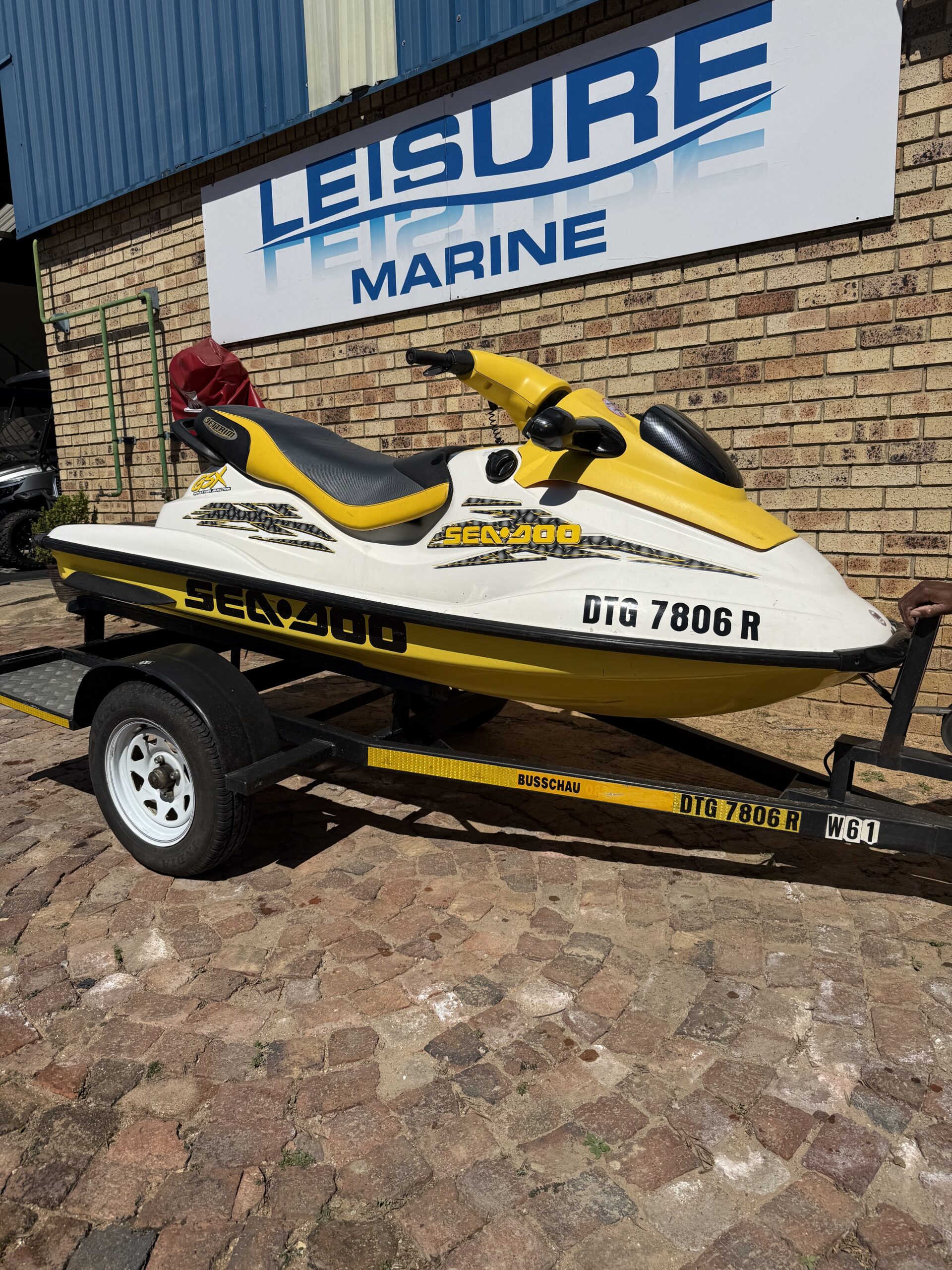
2000 Sea-Doo GSX





Reviews