 Trailers
 Buses
Buses
 Tractors
 Rollers
 Cranes
 Loaders
 Graders
 Forklifts
 Dozers
 Excavators
 Boats
Boats
 Caravans





The Impact Of Electric Cars In South Africa
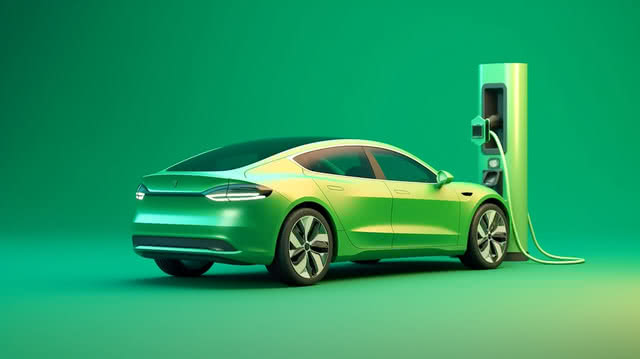
The transition to electric vehicles (EVs) in South Africa is gaining momentum, but it remains a complex story of opportunities, challenges, and long-term transformation. While EVs are often championed globally as a key tool to reduce carbon emissions and dependence on fossil fuels, their impact in South Africa must be understood within the country’s unique economic, energy, and industrial landscape.
Environmental Impact
One of the biggest draws of electric cars worldwide is their potential to cut greenhouse gas emissions and improve air quality. EVs produce zero tailpipe emissions, so in countries with cleaner electricity grids, they significantly lower carbon outputs. However, South Africa’s electricity system is heavily reliant on coal—about 80% of power still comes from coal-fired plants. As a result, charging an EV on the current grid can generate more CO₂ per kilometre than a petrol car because the emissions from electricity generation offset the benefits of zero tailpipe output.
That doesn’t mean EVs are inherently worse for the environment here—far from it. The key limitation is the source of the electricity. As South Africa expands renewable energy capacity and decarbonises its grid, the environmental benefits of EVs will grow. Under scenarios with more solar, wind, and cleaner power, electric cars could cut passenger car emissions significantly by mid-century.
Economic and Industrial Effects
South Africa has long been a major automotive manufacturer in sub-Saharan Africa, with plants owned by companies like Toyota, Ford, VW, and Mercedes producing vehicles for export. This strong industrial base gives the country a strategic advantage in adapting to the EV era.
In recent years, the government has taken steps to support the shift to electrified vehicles by offering tax incentives, investment allowances, and funding for manufacturing infrastructure. From March 2026, manufacturers can claim a 150% tax deduction on qualifying investments in EV and hydrogen vehicle production—an effort to attract capital and build local capabilities.
There’s also a push to increase local content in EV components from about 40% today to 60% by 2035. This initiative not only reduces reliance on imports but could stimulate growth in ancillary industries—like battery assembly, electric motors, and advanced electronics.
Chinese EV manufacturers are expanding aggressively into South Africa, bringing more EV models to market and planning to increase dealership and charging station networks. For example, BYD aims to roll out dozens of dealerships and hundreds of fast chargers by 2026, helping overcome one of the key roadblocks to adoption.
Nonetheless, a transition to EVs has implications for employment in the automotive sector. EVs have fewer moving parts compared to internal combustion engine (ICE) vehicles, meaning that the production of EVs could require fewer jobs in traditional component manufacturing—though new opportunities may arise in battery production and high-tech systems. Analyses suggest potential reductions in automotive component employment if EV sales grow significantly, highlighting the need for policy planning around job transitions and skills development.
Consumer Adoption and Infrastructure Challenges
Adoption of electric cars in South Africa has been slow but is growing. EVs still represent well under 1% of annual new car sales, with high purchase prices, steep import tariffs, and limited model availability keeping many consumers on the sidelines.
Charging infrastructure is expanding, particularly in major cities like Johannesburg, Cape Town, and Durban, but rural areas remain poorly served. Public chargers are still far outnumbered by gasoline stations, and many EV owners rely on home charging. Power reliability is a persistent concern: load shedding and grid instability make consistent charging a real challenge, prompting some owners to integrate solar panels or battery backups to ensure they can keep their vehicles running.
However, efforts are underway to address these barriers. Investments of over R11 billion have been made to install charging infrastructure, including universal stations across key provinces, and private companies alongside the government are exploring solutions such as solar-integrated charging points that operate independently of the grid.
Social and Broader Impacts
Electric cars also touch on broader social and economic themes. They have the potential to reduce dependency on imported fuels, which helps stabilize the economy and protect consumers from volatile oil prices. Lower operating and maintenance costs of EVs—like fewer moving parts and cheaper “fuel” in the form of electricity—could translate to savings for drivers over time. And as the transport sector evolves, new careers in EV maintenance, software systems, charging network operation, and battery technology training emerge.
At the same time, equitable access remains a concern. Without targeted incentives for consumers, EV ownership risks becoming the preserve of wealthier households, potentially deepening inequalities in mobility and economic opportunity. Continued efforts to lower prices, expand charging access, and support used EV markets will be key to broader inclusion.
In sum, electric cars present significant promise for South Africa—from cleaner air and industrial growth to new economic opportunities. But realizing these benefits depends on addressing structural hurdles in energy, manufacturing, infrastructure, and policy. With coordinated action and investment, EVs could play a meaningful role in driving the country toward a more sustainable, competitive automotive future.
Guides














Reviews