 Trailers
 Buses
Buses
 Tractors
 Rollers
 Cranes
 Loaders
 Graders
 Forklifts
 Dozers
 Excavators
 Boats
Boats
 Caravans





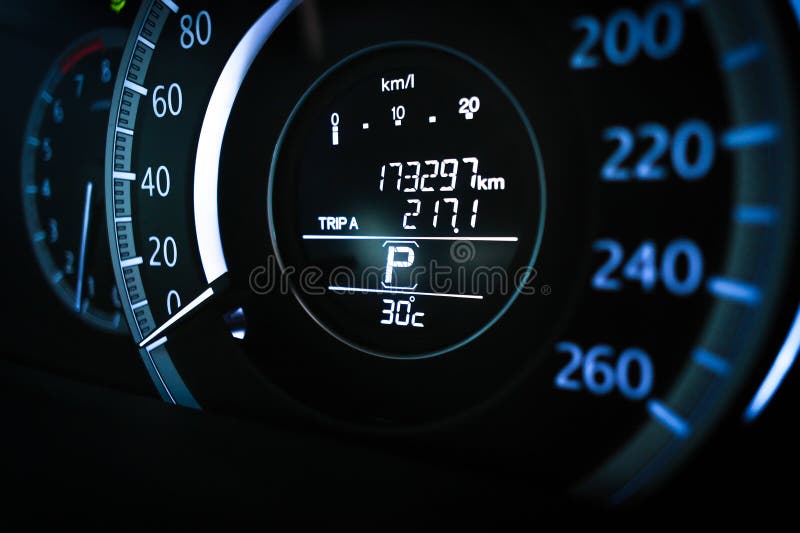
What To Check On A High-Mileage Car
When buying or maintaining a high-mileage car (usually 150,000 km / 90,000 miles or more), careful inspection is essential. High mileage does not automatically mean the vehicle is unreliable, but it does increase the likelihood of wear and aging parts. Knowing what to check can help you avoid expensive repairs and ensure the car remains dependable.
1. Service History
One of the first things to examine is the car’s service history. A well-maintained high-mileage vehicle can often be more reliable than a low-mileage car that has been neglected. Look for records showing regular oil changes, scheduled maintenance, and repairs. Consistent servicing indicates that previous owners cared for the vehicle and addressed issues before they became serious problems.
2. Engine Condition
The engine is the heart of the car, so it deserves close attention. Listen for unusual noises such as knocking, ticking, or rattling while the engine is running. Check for excessive smoke from the exhaust—blue smoke can indicate oil burning, while white smoke may suggest coolant problems. Also inspect for oil leaks around the engine and under the car. A well-maintained engine should run smoothly and quietly even with high mileage.
3. Transmission Performance
The transmission is another critical component that can be expensive to repair. When test driving the car, check how smoothly the gears shift. In automatic vehicles, the transmission should change gears without jerking or hesitation. In manual cars, the clutch should engage smoothly without slipping. Grinding sounds or delayed gear changes may indicate worn transmission parts.
4. Suspension and Steering
Over time, suspension components such as shocks, struts, and bushings wear out. During a test drive, pay attention to how the car handles bumps and turns. Excessive bouncing, clunking noises, or poor stability can signal suspension issues. Also check the steering for looseness or vibrations, which may indicate worn steering components or wheel alignment problems.
5. Braking System
The braking system must be in excellent condition for safety. Inspect the brake pads and rotors if possible, and check how the car stops during a drive. Squealing, grinding noises, or vibrations when braking can suggest worn brake components. Ensure the car stops firmly and in a straight line.
6. Timing Belt or Chain
Many high-mileage cars require replacement of the timing belt at certain intervals, often between 90,000 and 160,000 kilometers depending on the manufacturer. If the belt has not been replaced when required, it could fail and cause severe engine damage. Ask for documentation showing whether the timing belt or timing chain has been serviced.
7. Cooling System
A healthy cooling system prevents the engine from overheating. Check the radiator, hoses, and coolant reservoir for leaks or cracks. The coolant should appear clean and at the proper level. During a test drive, monitor the temperature gauge to ensure the engine maintains a normal operating temperature.
8. Interior and Electrical Systems
High mileage can also affect the car’s interior and electronics. Test features such as the air conditioning, power windows, central locking, infotainment system, and lights. Electrical problems can sometimes be difficult and costly to diagnose, so it’s important to confirm everything works properly.
9. Body and Rust
Inspect the body for rust, dents, or signs of previous accidents. Rust around wheel arches, under the doors, and on the chassis can weaken the structure of the vehicle. Also check for uneven paint or panel gaps, which might indicate past collision repairs.
10. Tires and Wheel Alignment
Finally, check the condition of the tires. Uneven tire wear may indicate alignment or suspension problems. Ensure the tires have adequate tread depth and are worn evenly across the surface.
Conclusion
A high-mileage car can still be a good purchase if it has been properly maintained. By carefully checking the service history, engine, transmission, suspension, brakes, and other key components, you can identify potential issues before committing to the vehicle. Taking the time to perform a thorough inspection—or having a professional mechanic evaluate the car—can help ensure that your high-mileage vehicle remains safe, reliable, and cost-effective for years to come.
Guides






Reviews