 Trailers
 Buses
Buses
 Tractors
 Rollers
 Cranes
 Loaders
 Graders
 Forklifts
 Dozers
 Excavators
 Boats
Boats
 Caravans





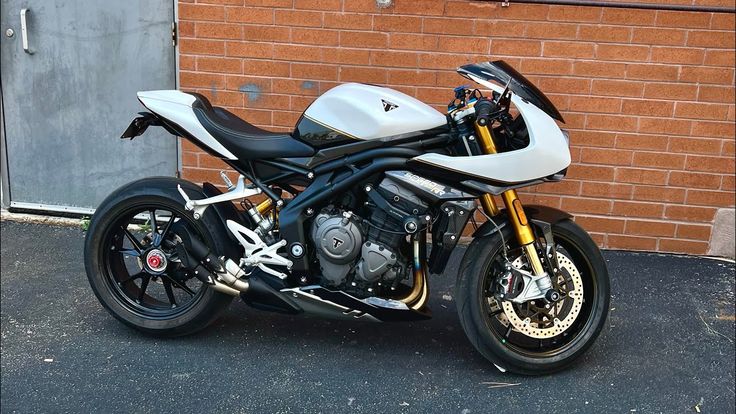
Requirements For One To Own A Motorbike In South Africa
Owning a motorbike in South Africa involves meeting several legal, administrative, and safety requirements. These regulations are designed to ensure that riders are competent, motorcycles are roadworthy, and all vehicles on public roads are properly registered and insured. Whether purchasing a new or used motorbike, prospective owners must understand the full set of responsibilities that come with ownership.
Legal Age and Licensing Requirements
The first major requirement for owning and riding a motorbike is obtaining the correct motorcycle licence. In South Africa, a person must hold a valid learner’s licence before applying for a full motorcycle licence. To obtain a learner’s licence, the applicant must be at least 16 years old for a motorcycle with an engine capacity not exceeding 125cc, or 18 years old for motorcycles over 125cc. The learner’s licence requires passing a written test at the local licensing department.
After holding a learner’s licence, the rider may apply for a full motorcycle licence by passing a practical riding test. Motorcycle licences are divided into categories depending on engine size. For example, Code A1 allows riders to operate motorcycles up to 125cc, while Code A permits riding motorcycles of any engine capacity. Licensing is regulated nationally through the Department of Transport, and applications are processed at local Driving Licence Testing Centres (DLTCs).
Identity and Residency Documentation
To legally own a motorbike, an individual must provide valid identification, such as a South African ID book or smart ID card. Foreign nationals may use a valid passport and proof of legal residence status. Proof of residential address is also required when registering a motorbike. This ensures that authorities can link the vehicle to a verified owner within the national traffic information system.
Vehicle Registration and Licensing
Once a motorbike is purchased, it must be registered in the owner’s name. If the motorcycle is bought from a dealership, the dealer usually handles the initial registration process. However, private sales require the new owner to submit the necessary forms to the relevant registering authority within 21 days.
All motorbikes in South Africa must be licensed annually. This involves paying a licence renewal fee and receiving a licence disc, which must be displayed on the motorcycle. The licence confirms that the vehicle is legally permitted to operate on public roads. Failure to renew the licence can result in fines and penalties.
The vehicle’s details are recorded on the Electronic National Traffic Information System (eNaTIS), which tracks ownership, registration status, and roadworthiness compliance.
Roadworthiness Requirements
Motorcycles must be roadworthy, meaning they meet the minimum safety standards set by law. A roadworthy certificate is required when transferring ownership of a used motorbike or when re-registering a vehicle that was previously deregistered. Roadworthy inspections check critical components such as brakes, tyres, lights, steering, and exhaust systems.
Although private motorbike owners are not required to conduct annual roadworthy tests (unless ownership changes), maintaining roadworthiness at all times is legally required. Traffic officers may inspect vehicles, and riding an unroadworthy motorcycle can lead to fines or the vehicle being declared unfit for use.
Insurance Considerations
While third-party insurance is not legally mandatory for private motorbike owners in South Africa, it is strongly recommended. Insurance options include third-party only cover, third-party fire and theft, and comprehensive insurance. Comprehensive insurance covers damage to the rider’s own motorcycle as well as third-party claims.
Given the higher accident risk associated with motorcycling, insurance can provide significant financial protection. Financial institutions also require comprehensive insurance if the motorbike is financed through a loan agreement.
Safety Gear and Legal Compliance
South African law requires all motorcyclists and passengers to wear an approved protective helmet while riding. The helmet must meet safety standards and be properly fastened. Although not legally compulsory, additional protective gear such as gloves, jackets, boots, and reflective clothing is strongly encouraged for safety.
Motorbike owners must also ensure their motorcycle displays a valid number plate that complies with national regulations. The plate must be clearly visible and correctly formatted.
Financial Requirements
Owning a motorbike involves financial commitments beyond the purchase price. These include licence renewal fees, fuel, maintenance, insurance premiums, and potential repair costs. Regular servicing is essential to maintain performance and safety. Riders should budget for tyres, brake pads, oil changes, and general wear-and-tear items.
If the motorbike is financed, the owner must meet monthly repayment obligations. Failure to do so could result in repossession by the financing institution.
Traffic Law Compliance
Finally, motorbike owners must comply with all road traffic laws, including speed limits, traffic signals, and safe riding practices. Offences such as reckless driving, speeding, or riding without a valid licence can result in fines, demerit points under the Administrative Adjudication of Road Traffic Offences (AARTO) system, or suspension of driving privileges.
Conclusion
Owning a motorbike in South Africa requires meeting licensing, registration, identification, and safety standards. Riders must obtain the appropriate motorcycle licence, register and license the vehicle annually, ensure roadworthiness, and comply with traffic laws. Although insurance is not compulsory, it is highly advisable. By fulfilling these requirements, motorbike owners can enjoy safe and lawful riding while protecting themselves and other road users.
Guides

Reviews