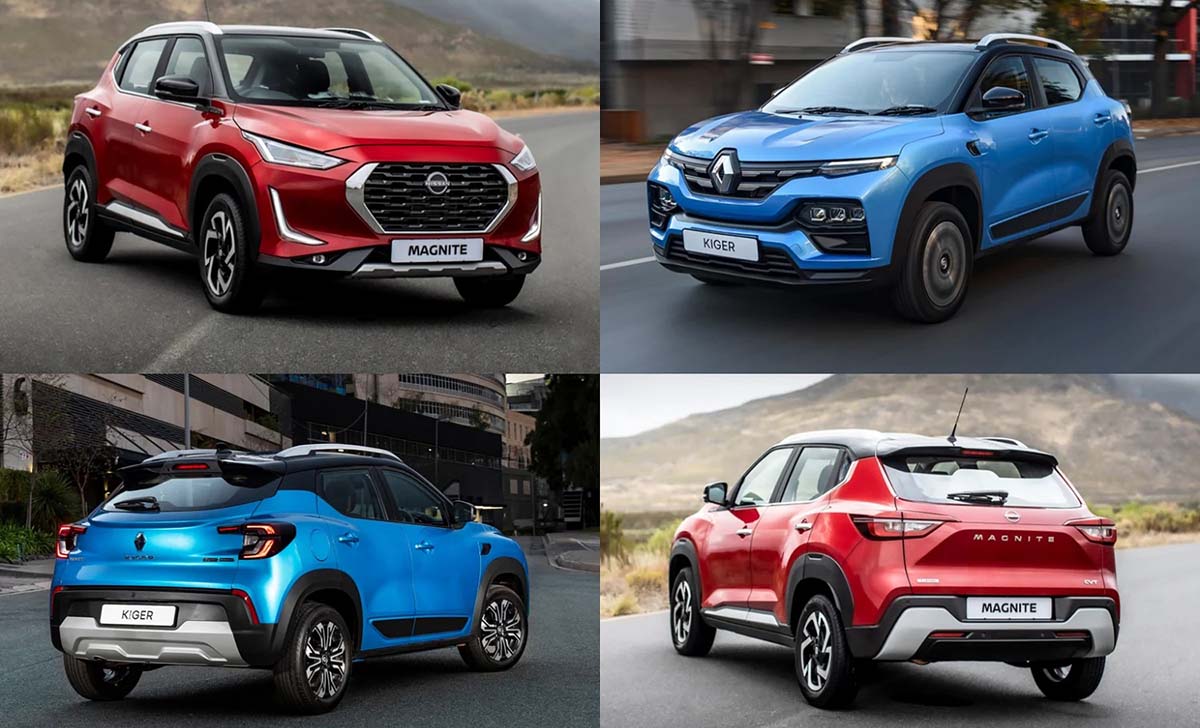
 Trailers
 Buses
Buses
 Tractors
 Rollers
 Cranes
 Loaders
 Graders
 Forklifts
 Dozers
 Excavators
 Boats
Boats
 Caravans





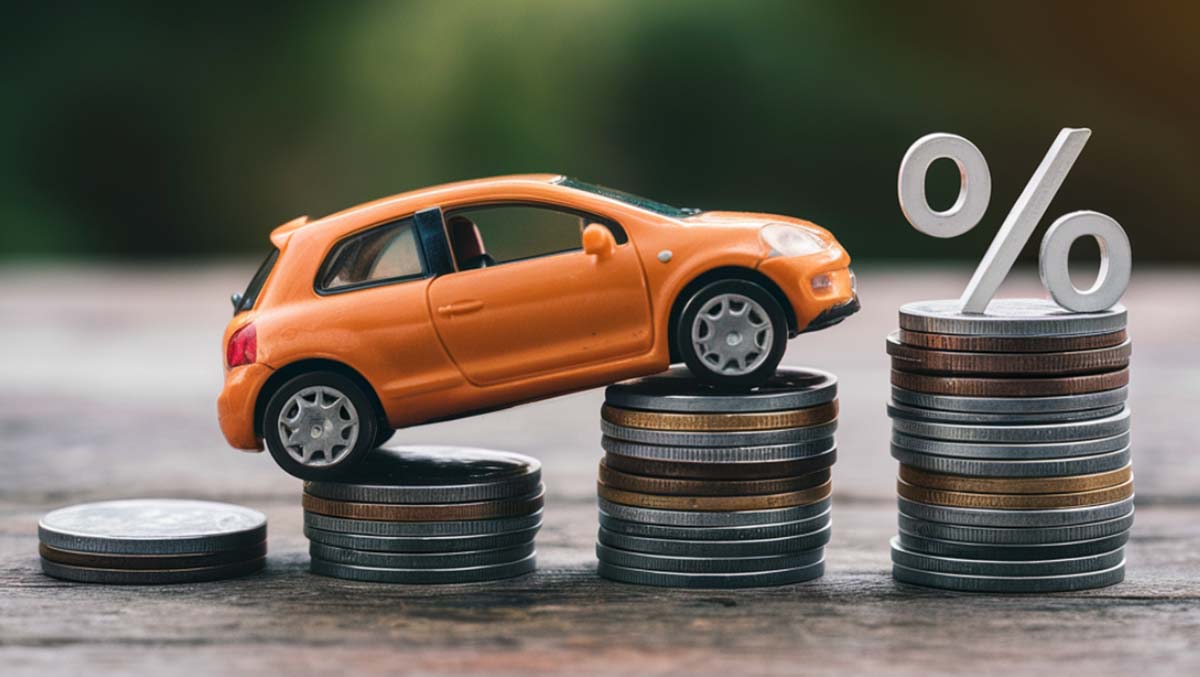
Is It Good To Buy A Car Through Bank Financing
Car financing in South Africa can be a practical and accessible way to own a vehicle, but whether it is “good” depends on your financial situation, goals, and understanding of the costs involved. With rising vehicle prices and economic pressures, many South Africans rely on financing rather than paying cash. While financing offers clear benefits, it also comes with risks that must be carefully considered.
One of the main advantages of car financing is affordability in the short term. Instead of paying a large lump sum upfront, you spread the cost over several years through monthly instalments. Major banks such as Standard Bank, Absa, Nedbank, and First National Bank offer vehicle finance solutions tailored to different budgets. This allows consumers to purchase reliable transport without draining their savings. For many people, especially those who need a car for work or business, financing makes vehicle ownership possible much sooner.
Another benefit is flexibility. South African lenders offer different financing structures, such as instalment sale agreements, balloon payments, and lease options. An instalment sale means you repay the full value of the car over an agreed term, usually between 48 and 72 months. A balloon payment reduces your monthly instalment by deferring a large portion of the cost to the end of the contract. This can make monthly payments more manageable, although it increases the financial burden later. Consumers can choose a structure that aligns with their income and long-term plans.
Car financing can also help build your credit record. Making consistent, on-time payments improves your credit profile with credit bureaus. A strong credit record may help you qualify for better interest rates on future loans, such as home financing. In this way, responsible vehicle financing can contribute positively to your overall financial standing.
However, financing a car also has disadvantages. The most significant drawback is the total cost. When you finance a vehicle, you pay interest on the borrowed amount. Interest rates in South Africa are linked to the repo rate set by the South African Reserve Bank. When interest rates rise, monthly instalments on variable-rate agreements may increase. Over time, you could end up paying substantially more than the original purchase price of the car.
Depreciation is another major concern. Cars lose value quickly, especially in the first few years. If you finance a new car, it may depreciate faster than you repay the loan. This can result in negative equity, where you owe more on the car than it is worth. Should you need to sell the vehicle early, you may have to cover the difference out of pocket. For this reason, some financial advisors recommend buying a reliable used car instead of a brand-new one.
There are also additional costs to consider. Financing often requires comprehensive insurance, which can be expensive. You must also budget for fuel, maintenance, licensing, and possible extended warranties. If you fail to make payments, the lender has the right to repossess the vehicle. This not only means losing your car but also damages your credit record, making future borrowing more difficult.
Whether car financing is good in South Africa depends largely on your financial discipline and needs. If you have stable employment, a manageable debt-to-income ratio, and an emergency fund in place, financing can be a sensible way to access reliable transport. It is especially beneficial if the vehicle helps you earn income or significantly improves your quality of life.
On the other hand, if your budget is already stretched or you are considering financing a car beyond your means, it may not be a wise decision. Carefully reviewing the interest rate, loan term, and total repayment amount is essential. Comparing offers from multiple lenders and negotiating the purchase price can also save you money in the long run.
In conclusion, car financing in South Africa is neither inherently good nor bad. It is a financial tool that can be beneficial when used responsibly and with full awareness of the costs involved. By understanding interest rates, depreciation, insurance requirements, and your own financial limits, you can make an informed decision that supports your long-term financial health.
Guides









Reviews