 Trailers
 Buses
Buses
 Tractors
 Rollers
 Cranes
 Loaders
 Graders
 Forklifts
 Dozers
 Excavators
 Boats
Boats
 Caravans





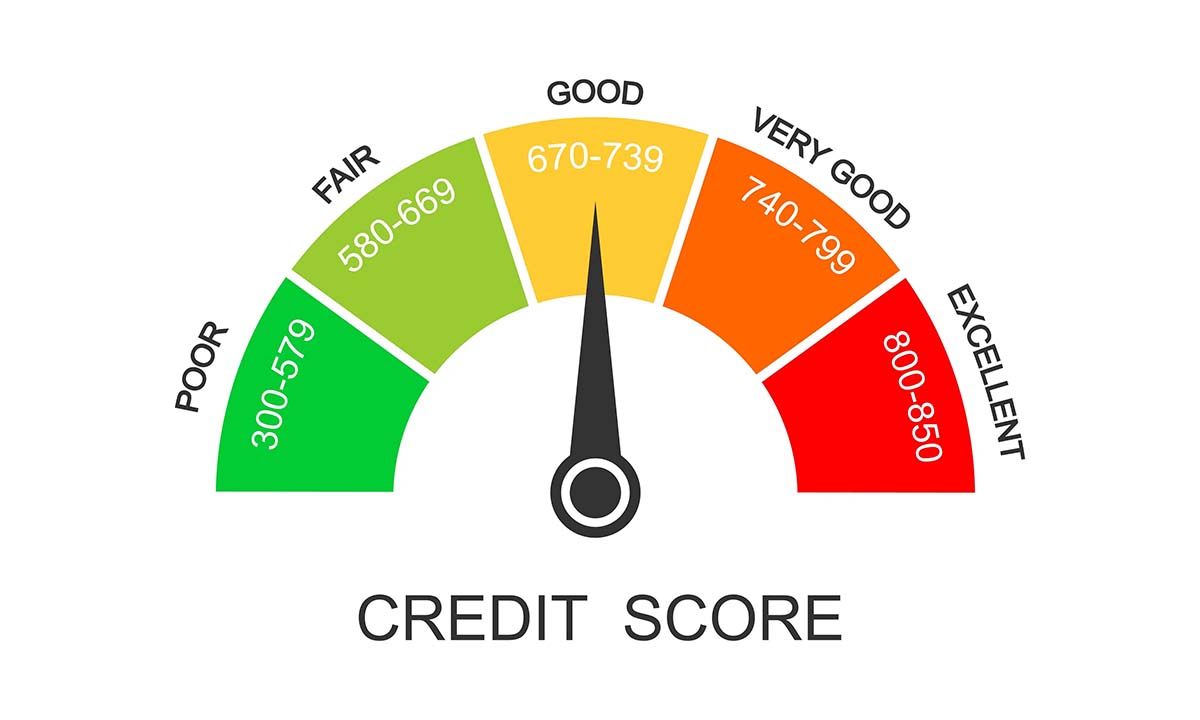
How To Improve Your Credit Score In South Africa
Improving your credit score in South Africa is one of the most powerful financial steps you can take. Whether you’re applying for a home loan, vehicle finance, personal loan, or even a cellphone contract, your credit score plays a crucial role in determining whether you qualify — and what interest rate you’ll pay. The good news is that your credit score is not fixed. With discipline and the right strategy, you can steadily improve it over time.
Understanding Your Credit Score in South Africa
In South Africa, your credit score is calculated by credit bureaus such as TransUnion, Experian, Compuscan, and XDS. These bureaus collect data from lenders, retailers, banks, and other credit providers to assess how you manage debt.
Your score is based on several factors:
-
Payment history
-
Amount of debt owed
-
Length of credit history
-
Types of credit used
-
Recent credit applications
Scores typically range between 300 and 850, with higher scores indicating lower risk to lenders.
Now let’s look at practical steps you can take to improve your credit score.
1. Check Your Credit Report Regularly
South African consumers are entitled to one free credit report per year from each major credit bureau. Reviewing your report helps you:
-
Identify errors or fraudulent accounts
-
Check whether payments are being recorded correctly
-
Monitor outstanding balances
If you find mistakes, you can dispute them directly with the bureau. Correcting inaccuracies can quickly improve your score.
2. Pay Your Accounts On Time — Every Time
Your payment history is the single most important factor affecting your credit score. Even one missed payment can negatively impact your rating.
Set up debit orders, calendar reminders, or automatic payments to ensure your accounts — including store cards, credit cards, loans, and cellphone contracts — are paid on or before the due date.
If you’ve already fallen behind, focus on bringing accounts up to date as soon as possible. Consistent on-time payments over several months will gradually rebuild your score.
3. Reduce Your Outstanding Debt
High credit utilisation (how much of your available credit you’re using) can lower your score. For example, if your credit card limit is R20,000 and you consistently use R18,000, lenders may see you as financially stretched.
Aim to keep your credit utilisation below 30% of your available limit. Paying down balances — especially on revolving credit like credit cards — can significantly improve your score over time.
If possible:
-
Pay more than the minimum amount due
-
Target high-interest debts first
-
Avoid maxing out your credit facilities
4. Avoid Applying for Too Much Credit
Every time you apply for credit, a hard inquiry is recorded on your credit report. Multiple applications within a short period can signal financial distress to lenders.
Before applying for new credit:
-
Assess whether you truly need it
-
Check your eligibility beforehand
-
Compare options carefully
Applying selectively and strategically helps protect your score.
5. Keep Old Accounts Open (If They’re in Good Standing)
The length of your credit history matters. Older accounts demonstrate long-term responsible credit use.
If you have a credit card or retail account with a positive payment history, keeping it open — even if you don’t use it often — can benefit your score. However, this only applies if the account has no annual fees and you can manage it responsibly.
6. Settle and Close Defaulted Accounts Properly
If you have accounts in arrears, don’t ignore them. Contact the creditor and negotiate a repayment arrangement. Once settled, ensure the account status is updated with the credit bureau.
Under South African law, adverse listings (like defaults and judgments) do not stay on your record forever. For example:
-
Paid-up judgments are removed within a specific timeframe
-
Defaults are removed after a certain number of years
However, settling debts sooner rather than later prevents further damage.
7. Avoid Debt Review If Possible — But Use It If Necessary
Debt review can negatively affect your credit profile while under review, but it may be the best option if you’re over-indebted. It protects you from legal action and restructures your debt into affordable payments.
If you’re struggling severely, consulting a registered debt counsellor may prevent long-term financial damage.
8. Build Credit If You Have None
If you have little or no credit history, lenders have no data to assess you. Consider starting with:
-
A secured credit card
-
A small retail account
-
A cellphone contract
Use the credit responsibly and pay in full each month. Over time, this builds a positive credit record.
9. Be Patient and Consistent
Improving your credit score is not an overnight process. It can take several months — sometimes longer — to see significant improvement. The key is consistency.
Avoid quick-fix “credit repair” services that promise instant results. In South Africa, no company can legally remove accurate negative information from your credit report before its expiry date.
The Long-Term Benefits of a Good Credit Score
A strong credit score can help you:
-
Qualify for home loans
-
Secure better interest rates
-
Get approved for vehicle finance
-
Negotiate better terms with lenders
-
Access business funding
In the long run, a good credit score saves you money and opens financial opportunities.
Improving your credit score in South Africa comes down to responsible financial behaviour: paying on time, reducing debt, limiting new credit applications, and monitoring your credit report. By taking deliberate steps today, you can steadily strengthen your financial profile and build a more secure financial future.
Guides















Reviews