 Trailers
 Buses
Buses
 Tractors
 Rollers
 Cranes
 Loaders
 Graders
 Forklifts
 Dozers
 Excavators
 Boats
Boats
 Caravans





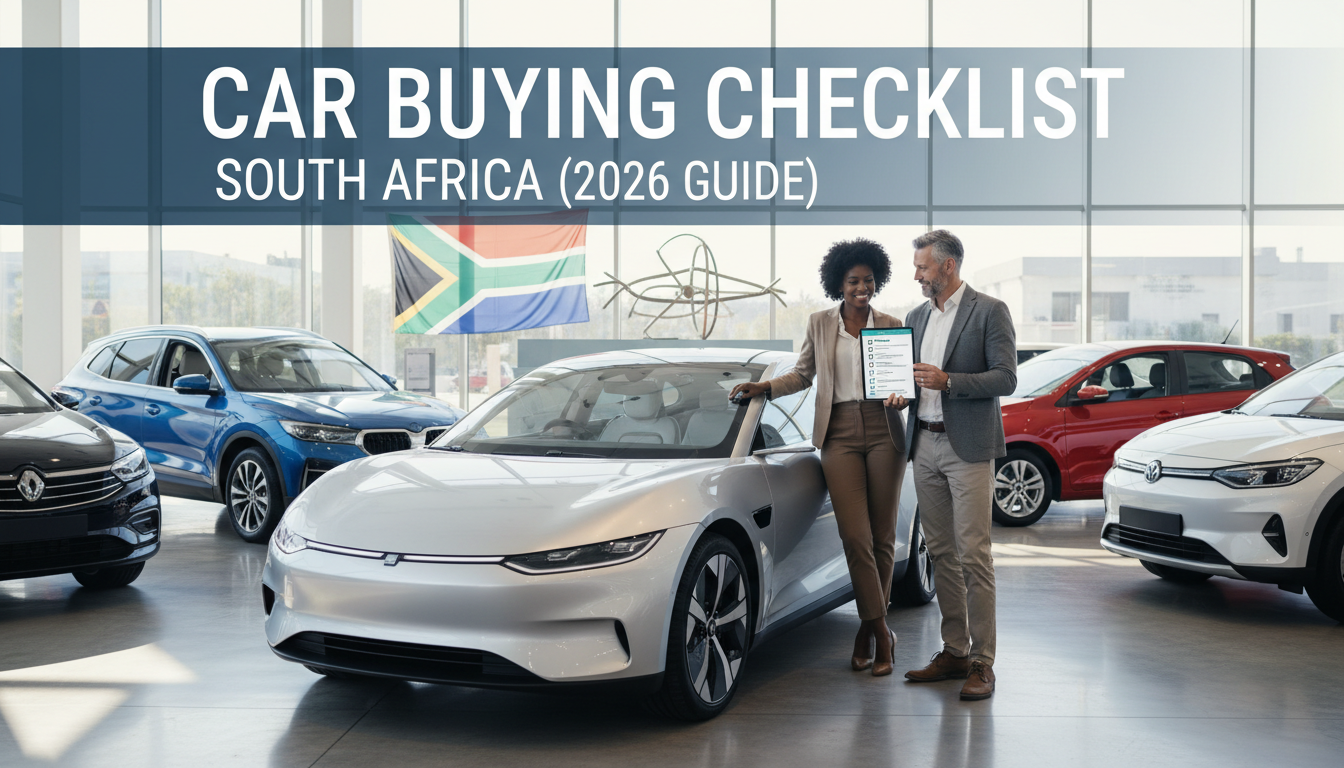
Car Buying Checklist South Africa (2026 Guide)
Everything You Must Check Before Buying a Car in South Africa
Buying a car in South Africa is a major financial decision, whether you are purchasing a new vehicle from a dealership or a used car from a private seller. With rising vehicle prices, financing costs, and insurance requirements, it is essential to follow a structured car buying checklist to avoid expensive mistakes.
This comprehensive Car Buying Checklist for South Africa will help you evaluate your budget, inspect the vehicle properly, check legal documentation, and ensure you get the best deal possible.
1. Determine Your Budget Before Shopping
The first step in any car buying process is knowing exactly how much you can afford.
Consider These Costs When calculating your budget, include:
Vehicle purchase price
Deposit (usually 10–20%)
Monthly finance instalments
Insurance premiums
Fuel costs
Maintenance and servicing
Licensing and registration fees
Extended warranty (optional)
Finance Rule
A common guideline in South Africa is:
Your car instalment should not exceed 20–25% of your monthly income.
Tip
Use a car finance calculator from South African banks to estimate repayments before visiting dealerships.
2. Decide Between a New or Used Car
One of the biggest decisions is whether to buy new or second-hand.
New Car Advantages
Full manufacturer warranty
Latest safety features and technology
No previous damage or accidents
Lower maintenance initially
Used Car Advantages
Much cheaper purchase price
Lower insurance premiums
Slower depreciation
Key Tip
A 2–3 year old car often gives the best value because the biggest depreciation has already happened.
3. Research the Best Cars for Your Needs
Before purchasing, research vehicles that suit your lifestyle and driving needs.
Questions to Ask
Do you need a family car or compact city vehicle?
Do you drive mostly long distances or short trips?
Do you need SUV space or a small hatchback?
What is the fuel consumption?
Popular Car Types in South Africa
Common vehicle choices include:
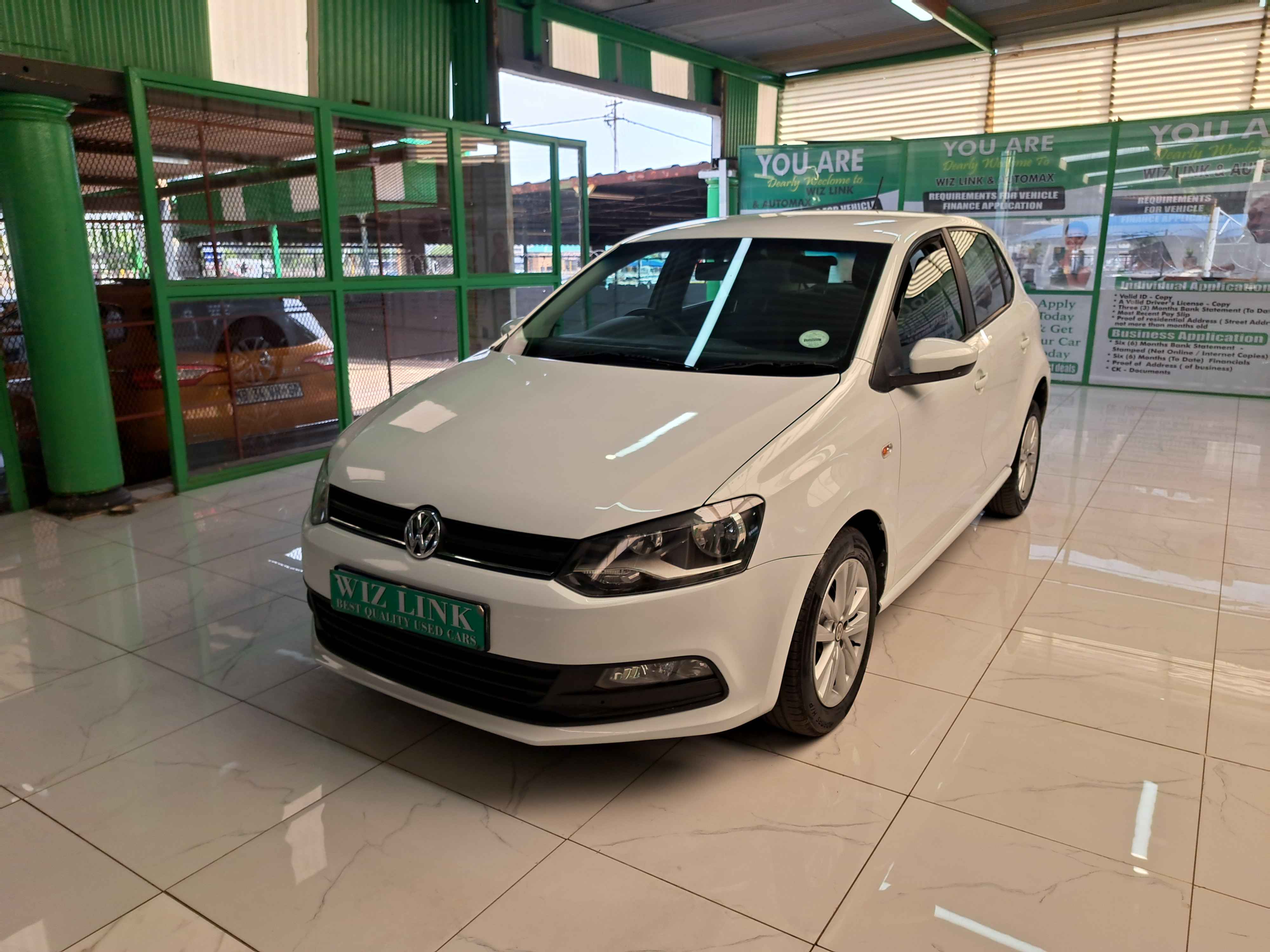
Hatchbacks (VW Polo, Toyota Starlet)
Sedans (Toyota Corolla, VW Jetta)
SUVs (Toyota Fortuner, Ford Everest)
Bakkies (Toyota Hilux, Ford Ranger)
4. Compare Car Prices
Never buy the first vehicle you see.
Compare prices from:
Dealerships
Online marketplaces
Private sellers
Popular Car Websites in South Africa
AutoTrader
Cars.co.za
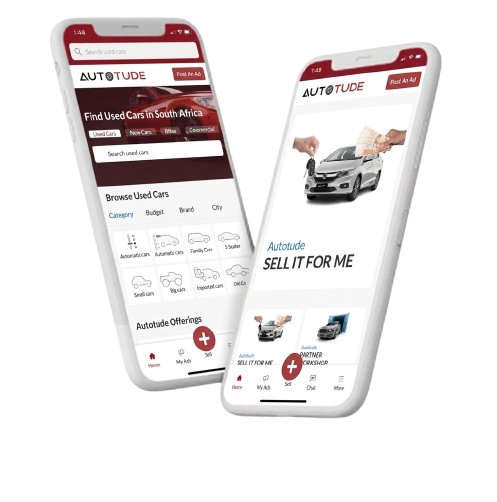
Autotude
Gumtree Motors
Facebook Marketplace
Comparing prices helps ensure you do not overpay.
5. Check the Vehicle History
This is one of the most important steps when buying a used car in South Africa.
Run a Vehicle History Check
Use services like:
TransUnion Auto Check
Cartrack reports
Vehicle Check reports
Verify These Details
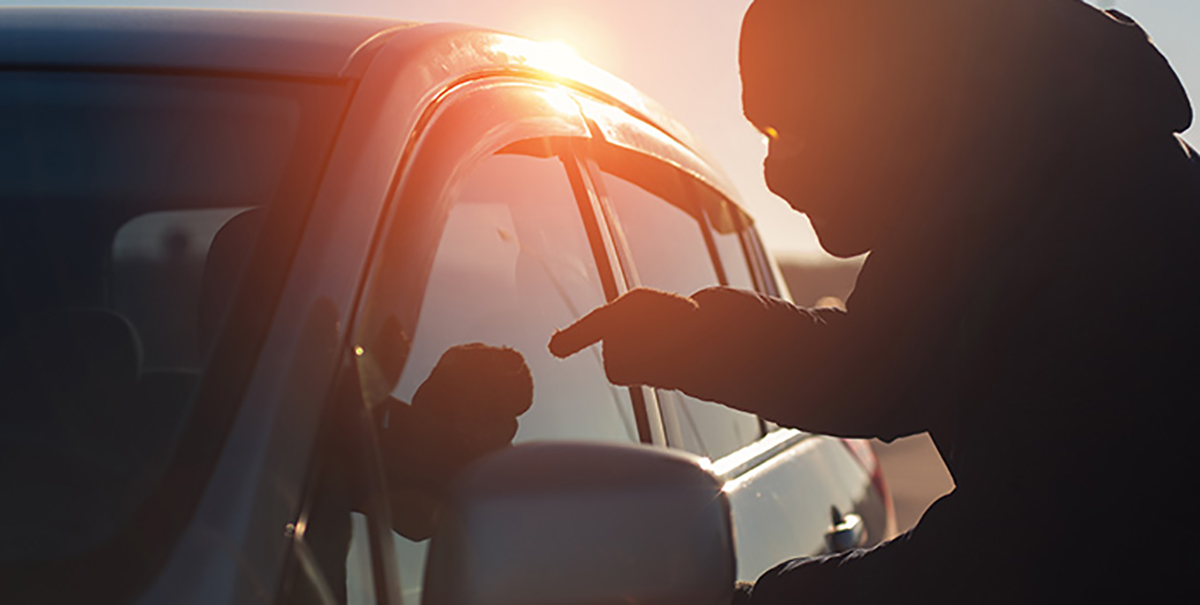
Make sure the car:Is not stolen
Has no outstanding finance
Has not been written off
Has accurate mileage
Failing to check this can result in serious legal problems.
6. Inspect the Car Carefully
Before buying, inspect the vehicle thoroughly.
Exterior Inspection Checklist
Look for:
Scratches and dents
Rust
Paint colour mismatches
Tyre wear
Cracks in windscreen
Interior Inspection Checklist
Check:
Seat condition
Dashboard warning lights
Air conditioning
Infotainment system
Window controls
Under the Hood
Look for:
Oil leaks
Battery condition
Coolant level
Engine noise
If you are unsure, bring a trusted mechanic.
7. Take a Test Drive
Never buy a vehicle without a proper test drive.
During the Test Drive Check:
Steering responsiveness
Brake performance
Acceleration
Gear shifting
Suspension comfort
Engine noise
Also test:
Parking sensors
Reverse camera
Lights and indicators
Drive the car on both city roads and highways if possible.
8. Verify the Paperwork
Ensure all documentation is valid before purchasing.
Important Documents
You must check:
Vehicle registration papers (NaTIS document)
Roadworthy certificate
Service history book
Owner's manual
Valid license disk
Check Ownership
Confirm that the seller is the registered owner.
If the car is financed, ensure the bank releases it before ownership transfer.
9. Check the Service History
A car with a full service history is usually better maintained.
Look for:
Regular servicing intervals
Services done by dealerships or reputable mechanics
Major repairs or part replacements
Avoid vehicles with missing service records.
10. Negotiate the Price
Negotiation is normal when buying a car.
Tips for Negotiating
Use price comparisons as leverage
Point out vehicle defects
Ask for extras like:
Service plan
New tyres
Discounted price
Dealerships often have room to reduce the price.
11. Arrange Car Insurance
Before driving away, arrange vehicle insurance.
Types of Insurance
South African insurers offer:
Comprehensive cover
Third-party, fire and theft
Third-party only
Recommended Option
Most buyers choose comprehensive insurance because it covers:
Accidents
Theft
Natural damage
Popular insurers include:
OUTsurance
Santam
Discovery Insure
Momentum
12. Complete Ownership Transfer
Once payment is made, complete the legal transfer.
Steps to Transfer Ownership
1. Seller submits Notice of Change of Ownership (NCO)
2. Buyer registers vehicle at licensing department
3. Pay registration fees
4. Receive updated registration papers
This must usually be completed within 21 days.
Common Car Buying Mistakes to Avoid
Many buyers make these costly mistakes:
Skipping the vehicle history check
Buying without a test drive
Ignoring service history
Not comparing prices
Forgetting insurance costs
Following a car buying checklist prevents these issues.
Final Thoughts
Buying a car in South Africa requires careful planning and proper inspection. By following this car buying checklist, you can avoid scams, reduce financial risks, and ensure you choose the right vehicle.
Always remember to:
Set a realistic budget
Verify the vehicle history
Inspect the car thoroughly
Check all paperwork
Test drive before buying
With the right preparation, you can confidently purchase a reliable car that fits your lifestyle and budget.
Guides


Reviews