
 Trailers
 Buses
Buses
 Tractors
 Rollers
 Cranes
 Loaders
 Graders
 Forklifts
 Dozers
 Excavators
 Boats
Boats
 Caravans





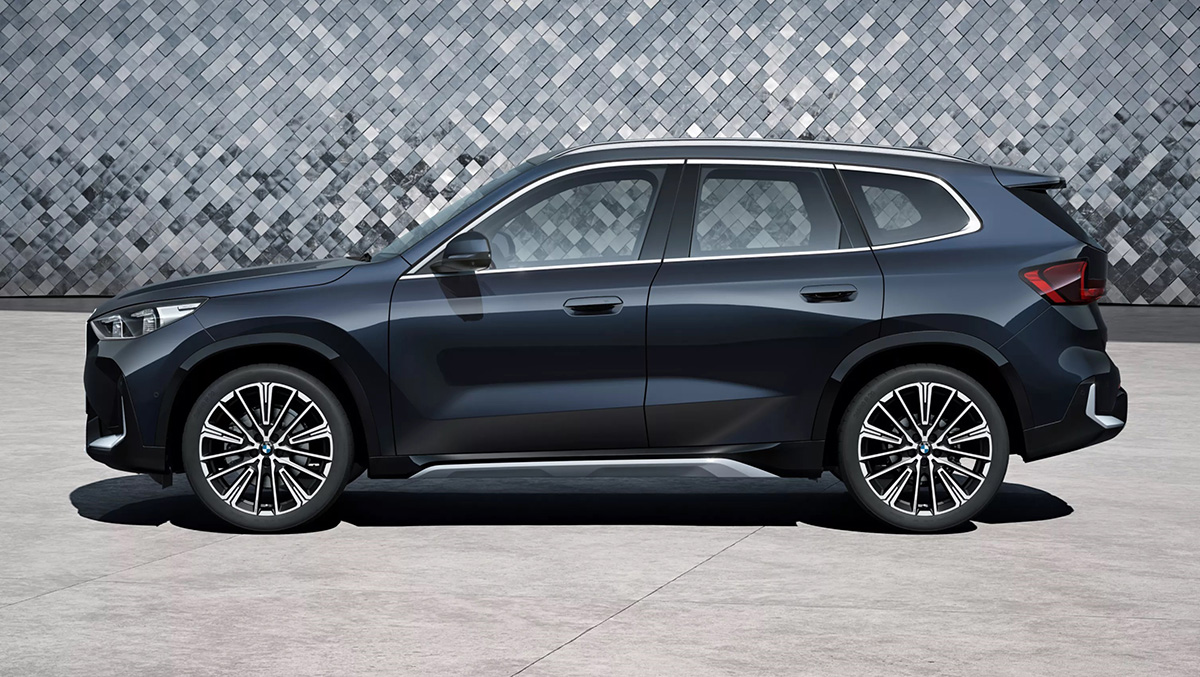
BMW X1 Buyer's Guide (2015–2022)
The second-generation BMW X1, sold between 2015 and 2022, is an appealing option for South African buyers looking for a premium compact SUV on the used market. Known internally as the F48, this generation brought significant changes compared with the first-generation X1, including a switch to BMW's UKL2 platform and a greater focus on practicality, comfort and everyday usability.
With numerous examples now available on the used market, the X1 can offer premium-SUV ownership for considerably less than the price of a new BMW. However, prospective buyers need to understand the different engines, specifications, running costs and potential maintenance concerns before purchasing one.
A More Practical BMW X1
The second-generation X1 arrived in South Africa in 2015 and represented a major change from its predecessor. Instead of the rear-wheel-drive-based architecture used by the original X1, the F48 adopted BMW's front-wheel-drive-based UKL2 platform, which was also used by models such as the MINI Countryman.
The change helped BMW create a more spacious and practical cabin. The X1 also received a higher seating position and improved interior packaging, making it a more convincing family SUV.
The model has a 505-litre luggage compartment, which expands to approximately 1,550 litres when the rear seats are folded. This makes it useful for families, commuters and buyers who need more practicality than a conventional hatchback can provide.
Engine Choices
One of the biggest decisions when buying a used X1 is choosing between petrol and diesel.
South African examples were offered with a variety of engines, including the sDrive18i, sDrive20i, sDrive18d and sDrive20d. Depending on the derivative, buyers could also choose between front-wheel drive and BMW's xDrive all-wheel-drive system.
The petrol models are generally attractive to buyers who mainly undertake shorter journeys and urban driving. Diesel versions can make more sense for motorists who travel long distances because of their strong torque and potentially better fuel economy.
The more powerful versions offer stronger acceleration, but buyers should remember that performance-oriented derivatives can also cost more to maintain.
sDrive or xDrive?
The X1 is available with either front-wheel drive or all-wheel drive, depending on the model.
For most urban and highway drivers, an sDrive version should be sufficient. Front-wheel drive also generally contributes to lower mechanical complexity and can reduce fuel consumption compared with an equivalent all-wheel-drive model.
The xDrive system is more useful for drivers who regularly travel on gravel roads, steep inclines or slippery surfaces. It can also provide additional traction when towing or driving in challenging conditions.
However, an xDrive vehicle has additional mechanical components, so buyers should pay close attention to service records and listen for unusual noises during a test drive.
What Is the X1 Like to Drive?
Despite its front-wheel-drive platform, the X1 retains much of the driving character expected from a BMW.
The steering is relatively responsive, while the suspension provides a useful balance between handling and comfort. The raised driving position gives the driver good visibility, making the X1 easy to use in urban environments.
AutoTrader describes the second-generation X1 as stable and secure, with good comfort levels and predictable road manners. The more powerful versions also provide respectable performance.
The X1 is therefore not simply a practical SUV with a premium badge. It remains an enjoyable vehicle to drive, particularly for buyers who appreciate BMW's focus on handling.
Interior and Technology
Inside, the X1 offers a premium environment with good-quality materials and a straightforward dashboard layout. Equipment varies significantly according to model and optional extras, so buyers should inspect individual vehicles rather than assuming every X1 has identical specifications.
Depending on the derivative, features can include LED headlights, navigation, ConnectedDrive services, intelligent emergency calling and real-time traffic information.
Later facelifted models generally benefit from updated styling and technology, making them particularly attractive to buyers who want a more modern used SUV.
Pre-Facelift vs Facelift
The X1 received a facelift in 2019, with updated exterior styling, interior changes and technology improvements.
For a used buyer, the facelifted models can be particularly appealing because they offer a newer-looking vehicle and updated equipment while still belonging to the same F48 generation.
If the budget allows, a well-maintained 2019–2022 example could therefore be worth considering over an older model. Independent used-car guides also identify the later years as attractive choices within this generation, although condition and maintenance history remain more important than the registration year alone.
What Problems Should Buyers Look For?
The X1 is generally regarded as a good used premium SUV, but maintenance history is extremely important.
Diesel versions should be inspected carefully for issues associated with modern diesel technology, including the diesel particulate filter and exhaust-gas recirculation system. Buyers who primarily drive short urban journeys should be particularly cautious when considering a diesel vehicle.
Petrol engines should also be checked for cooling-system problems, oil leaks and turbocharger-related concerns. A specialist inspection can identify problems that may not be obvious during a normal test drive.
On xDrive models, buyers should pay attention to unusual drivetrain noises, vibrations or clunks. Automatic transmissions should shift smoothly without hesitation or harsh engagement.
The vehicle's electronics should also be tested thoroughly. Check the infotainment system, climate control, electric windows, parking sensors, cameras and other convenience features before completing a purchase.
Service History Is Essential
A full service history is arguably one of the most important requirements when buying a used BMW X1.
Premium vehicles can become expensive to repair when neglected. A cheaper X1 with incomplete maintenance records may ultimately cost more than a higher-priced example that has been properly serviced.
Ask for invoices and service documentation where available, rather than relying solely on a seller's verbal claims. A pre-purchase inspection by a BMW specialist is also worthwhile.
It is particularly important to check whether recalls and manufacturer campaigns applicable to the specific vehicle have been completed.
Current Used-Market Pricing
The second-generation X1 has become increasingly accessible on South Africa's used market. AutoTrader's July 2026 market overview showed hundreds of X1 advertisements, with examples spanning a very broad price range depending on age, mileage, specification and condition. Some 2016–2020 models were available for well below R500,000.
For example, current listings include a 2017 X1 xDrive20i around the R250,000–R300,000 region and 2020 examples approaching R400,000–R500,000, although asking prices vary considerably.
This depreciation makes the X1 an interesting proposition for buyers who want a premium compact SUV without paying new-car prices.
Who Should Buy a Used X1?
The BMW X1 is best suited to buyers who want a combination of premium styling, driving enjoyment and practicality.
It works well as a family vehicle, particularly for smaller families that do not need the size of a BMW X3. Its compact dimensions also make it easier to park and manoeuvre in busy urban areas.
However, buyers need to budget for premium-car maintenance. Purchasing an X1 simply because the used price looks affordable can be risky if there is no allowance for servicing and unexpected repairs.
Final Verdict
The 2015–2022 BMW X1 remains one of the more compelling used premium compact SUVs available in South Africa. The second-generation model improved considerably over its predecessor, offering a more spacious interior, useful boot capacity, modern technology and enjoyable driving dynamics.
The facelifted models are particularly attractive, but an older X1 can still represent excellent value when it has been properly maintained.
The most important advice is to buy the condition and history, not simply the badge or price. Check the service records, inspect the engine and drivetrain, test all electronic systems and have the vehicle examined by an experienced BMW specialist before purchasing.
For buyers willing to accept the running costs associated with a premium German vehicle, a well-maintained BMW X1 from the 2015–2022 generation can provide an appealing combination of luxury, practicality and driving enjoyment at a much more accessible used-car price.
Guides




Reviews


0 Comments
Post Comment