
 Trailers
 Buses
Buses
 Tractors
 Rollers
 Cranes
 Loaders
 Graders
 Forklifts
 Dozers
 Excavators
 Boats
Boats
 Caravans





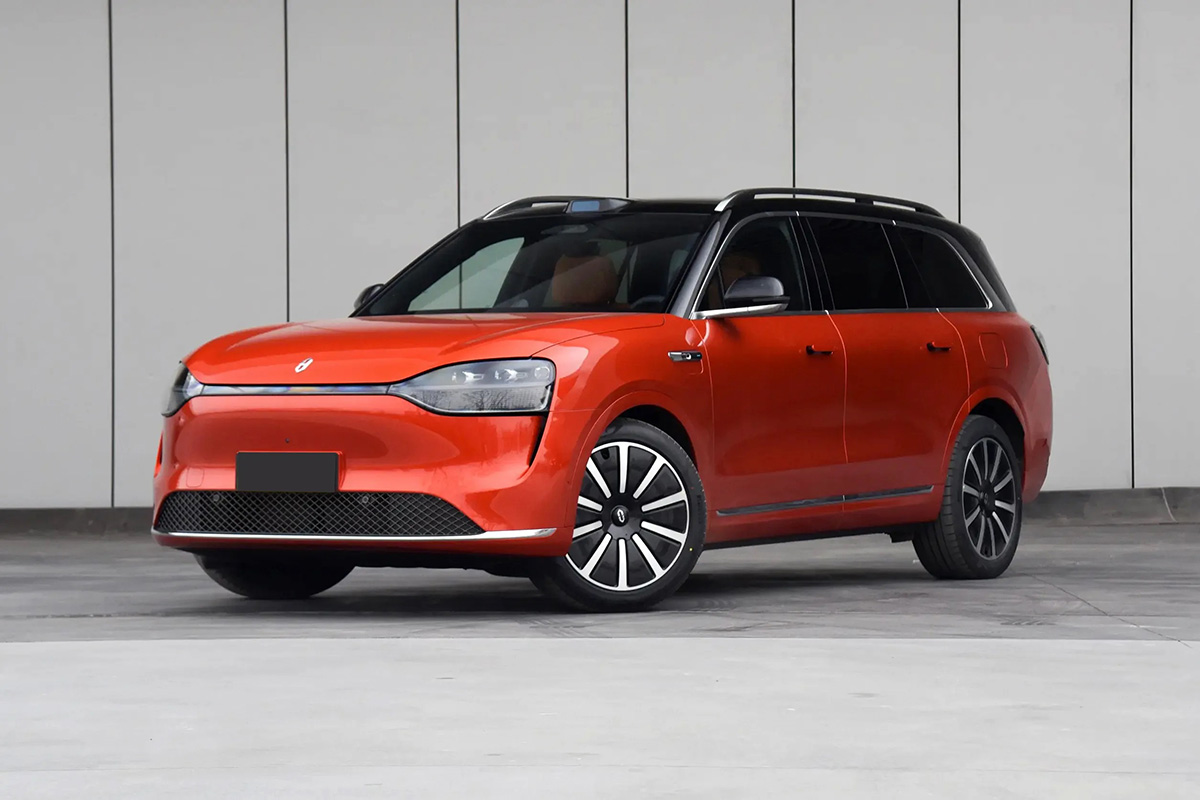
Are Chinese cars reliable
Chinese car manufacturers have become a major force in the global automotive industry, and South Africa has seen a particularly rapid increase in the number of Chinese brands available to local buyers. Names such as GWM, Haval, Chery, Omoda, Jaecoo, BAIC, JAC, GAC, Geely, BYD and Changan are now competing directly with established Japanese, Korean and European manufacturers.
This growth has naturally raised an important question for South African motorists: Are Chinese cars reliable?
The short answer is that many modern Chinese cars can be reliable, but buyers should not judge every brand or model as a single group. Reliability varies between manufacturers, individual models, powertrains and even local dealer support.
Chinese Cars Have Changed Dramatically
The reputation of Chinese vehicles has changed considerably over the past two decades. Early Chinese vehicles sold internationally were often criticised for basic interiors, outdated technology, questionable refinement and inconsistent build quality.
Today's Chinese manufacturers operate in a completely different environment.
Companies have invested heavily in research and development, manufacturing technology, robotics and quality-control systems. Several Chinese brands have also established partnerships with international manufacturers or acquired established automotive technologies.
The result is a new generation of Chinese vehicles that can compete much more closely with Japanese, Korean and European products.
Modern Chinese cars often offer sophisticated infotainment systems, advanced driver-assistance technology, turbocharged engines, hybrid powertrains and electric drivetrains.
Build Quality Has Improved
One of the strongest arguments in favour of modern Chinese vehicles is their build quality.
Walk into a showroom today and many Chinese cars no longer feel like budget products. Interiors can feature soft-touch materials, large digital displays, premium-looking trim and impressive levels of equipment.
Panel fit, paint quality and cabin assembly have also improved substantially.
This does not mean every Chinese vehicle is perfect. Some models may still have minor software problems, rattles or electronic glitches. However, these issues are not unique to Chinese manufacturers. European, Japanese and Korean vehicles can also experience reliability problems.
The important point is that country of origin is no longer a reliable way of predicting whether a vehicle will be dependable.
What About Engines and Gearboxes?
Powertrain reliability is one area buyers should investigate carefully.
Some Chinese manufacturers use relatively proven petrol engines and automatic transmissions, while others have developed their own powertrains. Modern Chinese manufacturers are also increasingly investing in hybrid and electric technology.
For example, manufacturers such as BYD have developed their own battery-electric and hybrid systems, while GWM has expanded its range of hybrid and plug-in hybrid vehicles.
A buyer should therefore research the specific engine and gearbox rather than simply asking whether "Chinese cars" are reliable.
A particular model may have an excellent powertrain while another vehicle from the same manufacturer could have a less impressive reliability record.
Electric Vehicles Could Change the Equation
Chinese manufacturers have become particularly competitive in the electric-vehicle sector.
Brands such as BYD have built extensive expertise in batteries, electric motors and power electronics. This technological experience gives Chinese EV manufacturers an advantage in an industry where traditional automotive reputations do not necessarily carry over.
Electric vehicles also have fewer moving mechanical components than petrol or diesel vehicles. There is no conventional engine, exhaust system, clutch or traditional multi-speed gearbox to maintain.
However, EV buyers need to consider battery health, charging systems, software and the availability of replacement components.
Aftersales Support Is Important
Reliability is not only about whether a car breaks down. It is also about how quickly and affordably problems can be resolved when something does go wrong.
This is where the South African dealer network becomes extremely important.
A Chinese vehicle can be mechanically reliable but still become frustrating to own if parts take months to arrive or there are too few trained technicians available.
Before buying a Chinese vehicle, prospective owners should investigate the manufacturer's local dealer network. Look at how many dealerships operate in your province, where authorised service centres are located and whether replacement parts are readily available.
This is especially important for buyers living outside major cities.
Warranty Coverage Can Help
One area where several Chinese brands have made a strong impression in South Africa is warranty and service-plan coverage.
Long warranties can provide valuable peace of mind for buyers who are uncertain about long-term reliability. Some Chinese manufacturers offer warranty periods that compare favourably with established competitors.
However, buyers should read the warranty terms carefully.
A long warranty does not necessarily mean everything is covered. Service intervals must usually be followed, and certain consumable items may be excluded.
The warranty should therefore be viewed as one part of the ownership package rather than proof that a vehicle will never experience problems.
Resale Value Remains a Question
Resale value is another consideration when assessing whether a Chinese car is a good long-term purchase.
Many established Japanese brands have strong resale values in South Africa because consumers trust their reliability and there is a large second-hand market for them.
Some Chinese vehicles depreciate more quickly because their brands are newer and buyers are still developing confidence in the used market.
Rapid product launches can also affect resale values. A model that is new today may face competition from a significantly updated replacement a few years later.
However, this situation could change as Chinese brands become more established.
As more vehicles enter the used market and their reliability records become clearer, consumer confidence could increase.
Parts and Maintenance Costs
Chinese cars can potentially offer competitive maintenance costs, but this depends heavily on the brand and model.
Routine servicing may be affordable, especially when manufacturers include service plans. Replacement parts, however, can sometimes be more expensive or difficult to obtain than parts for common Toyota, Volkswagen or Ford models.
The number of vehicles sold locally matters. A popular model is likely to generate stronger demand for aftermarket parts and greater familiarity among independent workshops.
Before purchasing, it is worth obtaining service and replacement-part pricing for common items such as brake pads, tyres, filters and windscreens.
Reliability Depends on the Individual Model
Perhaps the most important lesson is that consumers should avoid treating all Chinese manufacturers as identical.
China has a huge automotive industry, with manufacturers ranging from long-established companies to relatively new brands.
Some have extensive international experience and large production volumes, while others are still developing their dealer networks and local reputation.
Researching independent reviews, owner experiences, warranty claims and long-term tests can provide a much clearer picture of a particular vehicle.
It is also worth taking a test drive and examining the interior, controls, infotainment system and overall build quality before making a purchase.
Should South Africans Buy Chinese Cars?
For many buyers, the answer can be yes.
Modern Chinese cars offer attractive combinations of technology, equipment, styling and competitive pricing. In some cases, they provide features that would cost significantly more on an established European or Japanese competitor.
Reliability should not automatically be considered a reason to avoid them.
Instead, buyers should assess the specific vehicle, manufacturer, powertrain and local support network. A Chinese car from an established brand with a strong South African dealer presence and comprehensive warranty may be a much safer purchase than an unfamiliar model with limited support.
Final Verdict
Chinese cars are no longer synonymous with poor reliability. The industry has developed rapidly, and several Chinese manufacturers now produce vehicles capable of competing with established global brands.
That does not mean every Chinese car is guaranteed to be trouble-free. Reliability varies, and the long-term records of some newer brands are still being established.
For South African buyers, the smartest approach is to look beyond the badge. Investigate the vehicle's engine or electric drivetrain, warranty, service plan, parts availability, dealer network and resale prospects.
If those factors check out, a modern Chinese car can be a sensible and reliable alternative to a traditional Japanese, Korean or European vehicle—and the growing number of Chinese cars on South African roads suggests that their role in the local market will only become more significant.
Guides




Reviews


0 Comments
Post Comment