
 Trailers
 Buses
Buses
 Tractors
 Rollers
 Cranes
 Loaders
 Graders
 Forklifts
 Dozers
 Excavators
 Boats
Boats
 Caravans






Why Insurance Premiums for Chinese Cars Are Changing in SA
Chinese car brands have rapidly transformed South Africa’s automotive market. Manufacturers such as Chery, Haval, GWM, Omoda, Jaecoo, BYD and BAIC are attracting buyers with competitive prices, modern designs, generous equipment and long warranties. In 2025, Chinese manufacturers increased their share of South Africa’s passenger-car market from 11.2% to 16.8%, highlighting just how quickly these brands have moved into the mainstream.
This rapid growth is also changing the way insurers assess Chinese vehicles. Insurance premiums are not determined simply by the price of a car. Insurers consider the likelihood of theft, accident frequency, repair costs, parts availability, vehicle technology, resale values and historical claims data. As Chinese vehicles become more common, insurers are gaining more information about their real-world risk, which can result in premiums moving either up or down.
Repair costs are a major factor
One of the biggest considerations is the cost of repairing modern Chinese vehicles after an accident. Many new models come equipped with sophisticated technology, including cameras, radar sensors, adaptive cruise control and advanced driver-assistance systems.
A relatively minor collision can therefore involve more than replacing a bumper or headlight. Sensors may need to be replaced and recalibrated, while electronic modules and integrated lighting systems can add significantly to the repair bill. These costs ultimately influence what insurers charge for comprehensive cover.
However, this does not mean every Chinese car is expensive to insure. Vehicle specifications vary considerably between models, and insurers increasingly have enough claims information to assess individual vehicles rather than treating all emerging brands in the same way.
Parts availability is improving
Parts supply has historically been another concern surrounding newer Chinese brands. Established manufacturers have spent decades developing extensive local parts networks, while newer entrants have had to build their supply chains from scratch.
Long waits for accident-repair components can increase the cost of an insurance claim because insurers may need to pay for vehicle storage and extended car-hire periods. This can influence premiums, particularly when insurers have limited historical information about a particular model.
The situation is changing, however. Chinese manufacturers are investing heavily in South African distribution and after-sales infrastructure. Omoda and Jaecoo, for example, have expanded their local service networks and report strong availability of commonly required parts.
As parts become easier to source and repair times become more predictable, some of the additional insurance risk associated with newer brands could gradually decline.
More cars mean better insurance data
The growing popularity of Chinese vehicles could ultimately help consumers. When a model is new to the market, insurers have relatively little local claims data. They may therefore price cautiously because they do not yet know how frequently the vehicle is stolen, how expensive it is to repair or how often owners make claims.
As thousands of vehicles enter the South African market, insurers gain a clearer picture. This allows them to develop more accurate risk profiles for individual models.
This trend is already visible in the market. Data from Naked Insurance showed that emerging brands accounted for 10% of car-insurance quotes on its platform in January 2026, compared with 5% a year earlier. Chery and Haval were among the brands attracting the most interest. In other words, Chinese vehicles are becoming less of an unknown quantity for insurers.
Theft risk can also affect premiums
Vehicle theft is another important factor. Insurance companies monitor which models are targeted by criminals and which parts are attractive to organised theft networks.
As Chinese vehicles become more popular, they can become more attractive to thieves and parts markets. A model that was previously uncommon may eventually develop a larger second-hand parts ecosystem simply because there are more examples on South African roads.
This means the insurance profile of a vehicle can change over time. A car that initially has a relatively high premium because it is an unfamiliar brand could become cheaper to insure once insurers establish favourable claims data. Conversely, a model experiencing increased theft or expensive claims could see premiums rise.
Safety and technology matter
Safety ratings can also influence insurance risk. Insurers increasingly consider vehicle safety alongside repairability and theft statistics. A vehicle with effective safety equipment may reduce the likelihood or severity of certain accidents, while sophisticated technology can simultaneously increase repair costs when accidents occur.
This creates an interesting balance for modern Chinese cars. Buyers receive features such as cameras, parking sensors, lane-keeping systems and driver-assistance technology as standard or optional equipment, but those systems can make post-accident repairs more complicated.
Consequently, having more technology does not automatically mean cheaper insurance. Insurers need to consider both the potential safety benefits and the cost of repairing the technology.
The model matters more than the country of origin
Perhaps the most important point for South African buyers is that there is no universal “Chinese car insurance premium”.
A compact Chery, a Haval SUV, a BYD electric vehicle and a performance-focused model can have completely different insurance costs. Engine size, vehicle value, security equipment, repair costs, driver profile, location, annual mileage and claims history all influence the final premium.
Buyers should therefore avoid assuming that a Chinese vehicle will automatically be cheaper or more expensive to insure than a Japanese, Korean or European competitor.
How buyers can keep premiums under control
There are several ways motorists can manage their insurance costs. Comparing quotes from multiple insurers is particularly important because companies can assess emerging brands differently. A tracking device may also reduce premiums or be required for certain vehicles.
Choosing secure overnight parking, maintaining a clean claims record and selecting an appropriate excess can also help reduce monthly costs. Buyers should additionally ask insurers about approved repairers, parts availability and the length of any included car-hire benefit before purchasing a vehicle.
Ultimately, the changing insurance premiums for Chinese cars in South Africa are a reflection of a rapidly evolving market. As these vehicles become more widespread, insurers are gaining better data, manufacturers are strengthening parts and service networks, and consumers are becoming more familiar with the brands.
For motorists, this could mean increasingly competitive insurance pricing in the years ahead. The key is to look beyond the badge and purchase price. The real insurance cost of a Chinese car depends on the individual model, its risk profile, repair requirements and the insurer providing the cover.
Guides
2000 Escape 17
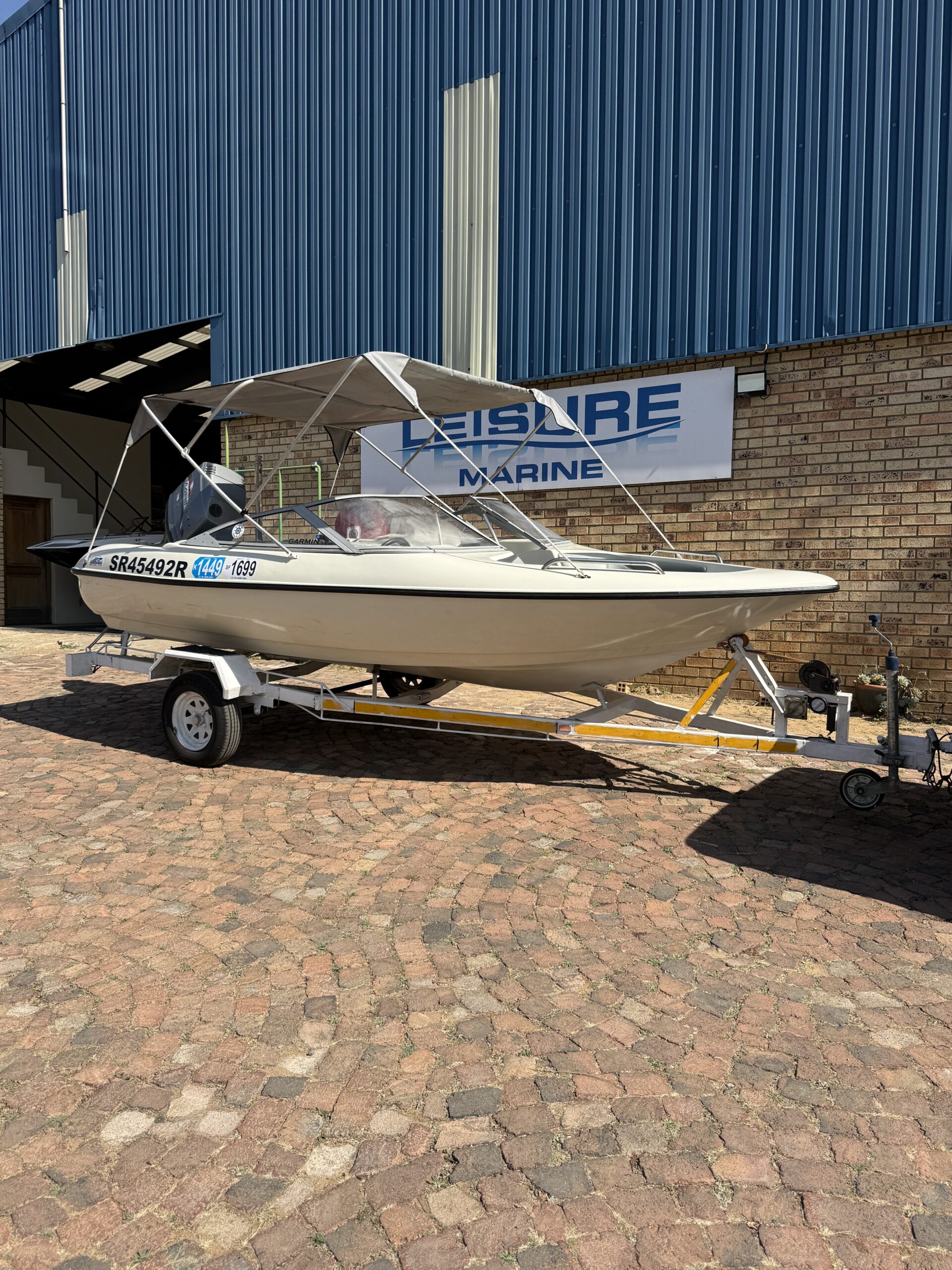
2010 Viking Velocity
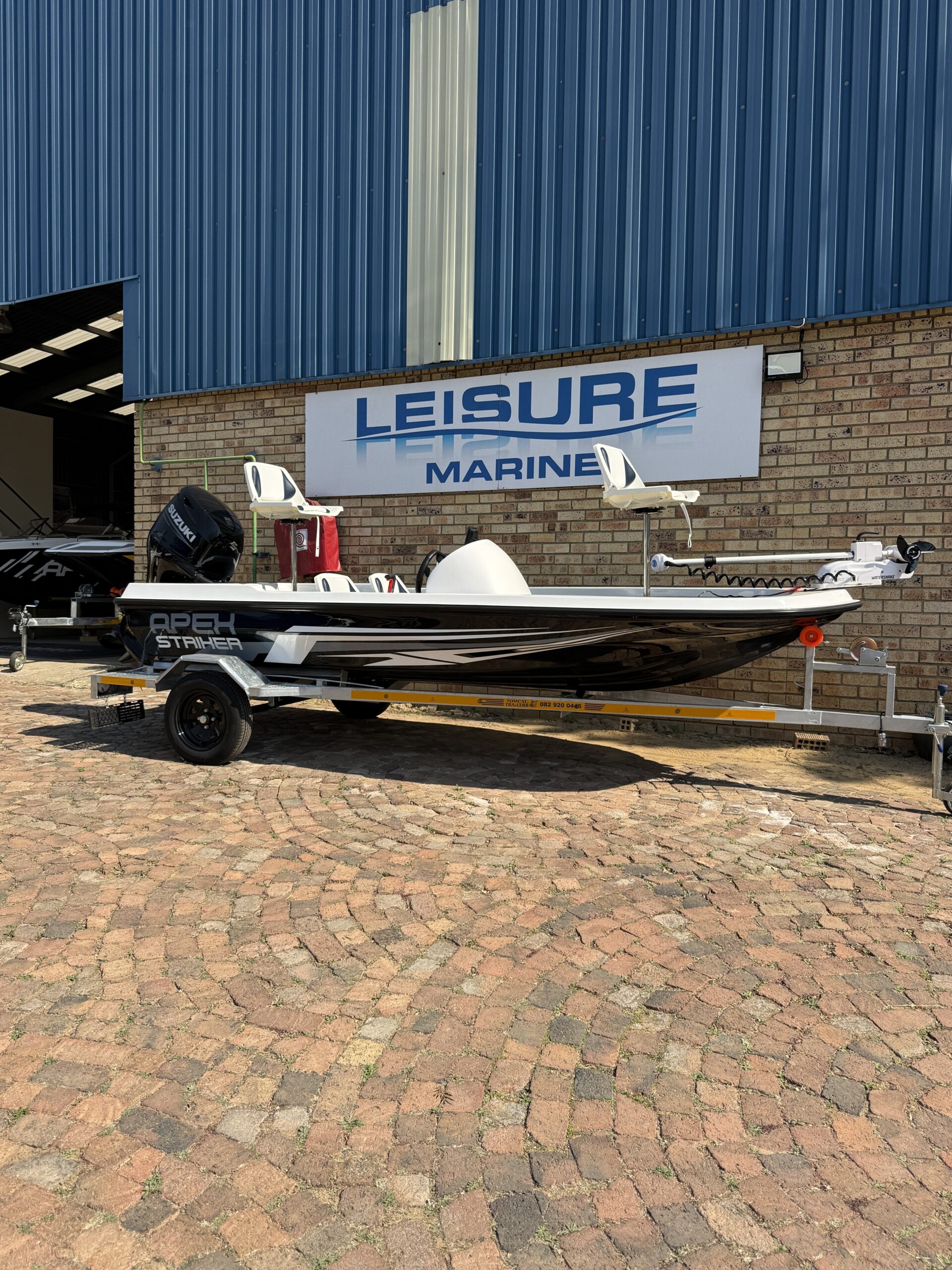
2026 Apex Striker
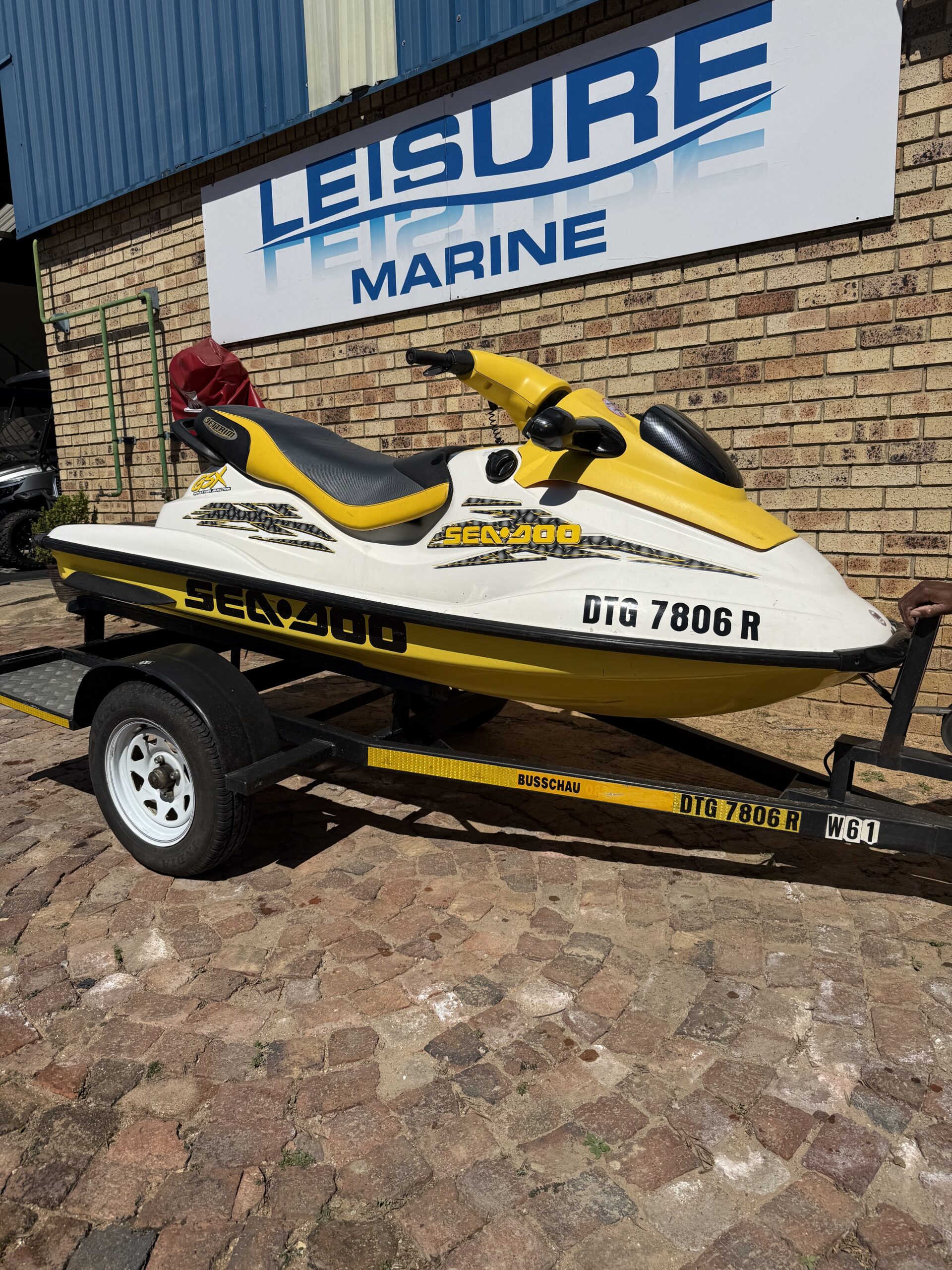
2000 Sea-Doo GSX
Reviews


0 Comments
Post Comment