
 Trailers
 Buses
Buses
 Tractors
 Rollers
 Cranes
 Loaders
 Graders
 Forklifts
 Dozers
 Excavators
 Boats
Boats
 Caravans





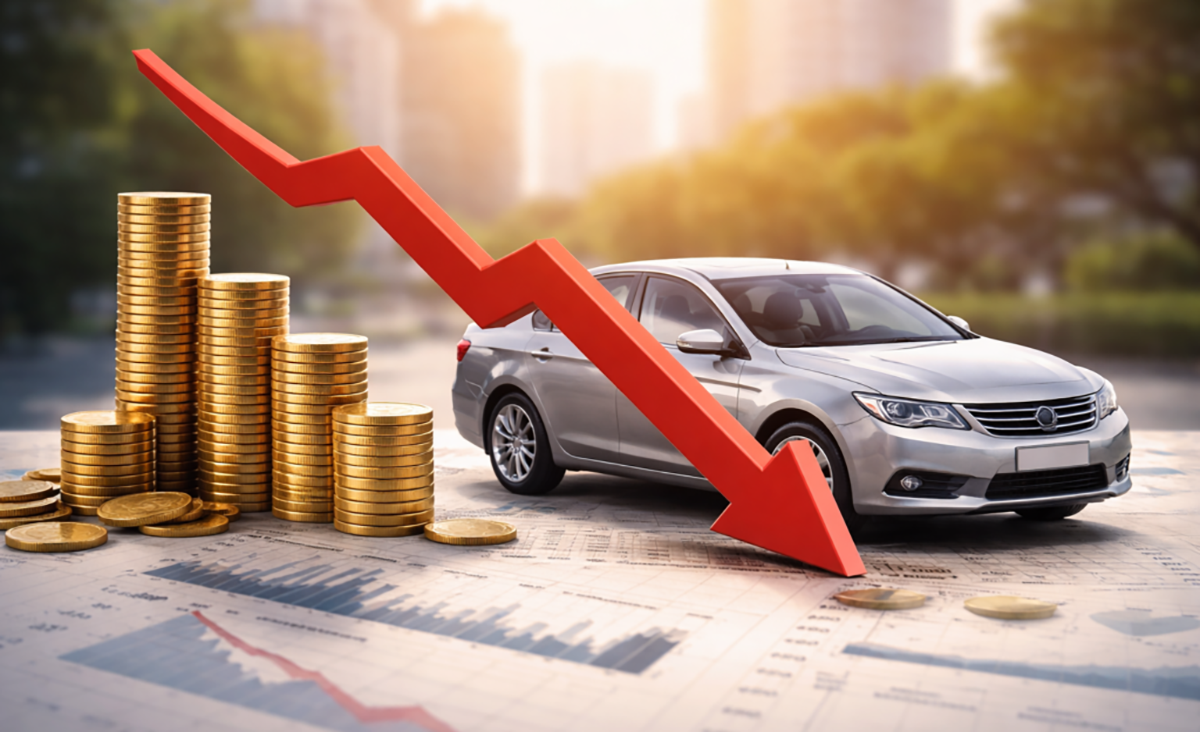
How car depreciation affects the value of a car
Car depreciation is one of the most important factors to consider when buying, owning or selling a vehicle. Unlike property or some investments that can increase in value over time, most cars lose value as they age. Depreciation is the difference between what you originally paid for a vehicle and what you can sell it for later. Understanding how depreciation works can help buyers make smarter decisions and reduce the financial impact of owning a car.
What Is Car Depreciation?
Car depreciation refers to the gradual reduction in a vehicle's market value. The moment a new car leaves a dealership, it generally begins to lose value. This happens because a new vehicle becomes a used vehicle once it has been registered and driven, and buyers are usually willing to pay less for a used car than an equivalent brand-new model.
Depreciation does not happen at a constant rate. A car generally loses the largest percentage of its value during the first few years. After that, the rate of depreciation tends to slow, although the vehicle continues to become less valuable as it gets older and accumulates more kilometres.
For example, imagine buying a new car for R400,000. If its market value falls to R320,000 after three years, the vehicle has depreciated by R80,000. The actual loss will vary considerably depending on the make, model, condition, mileage and demand for the vehicle.
Why Do Cars Depreciate?
Several factors influence how quickly a vehicle loses value. Age is one of the most obvious. Older cars generally have fewer years of useful life remaining and may require more maintenance and repairs, making them less attractive to buyers.
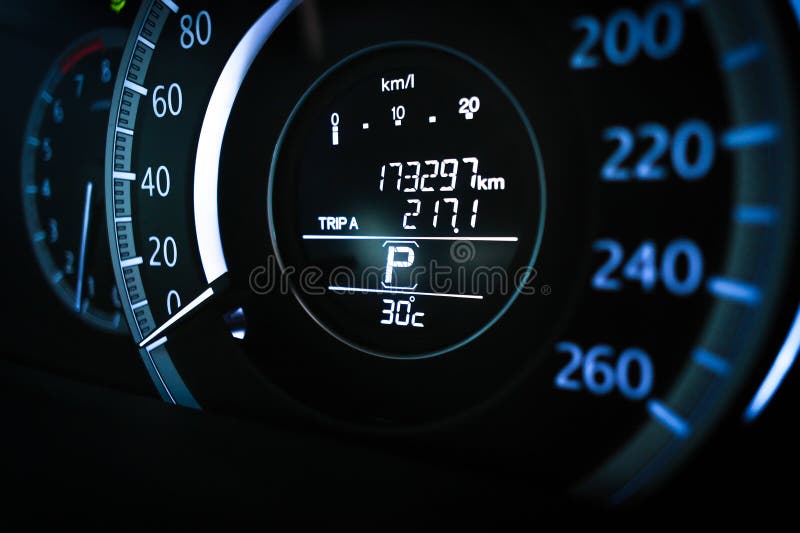
Mileage is another major factor. A vehicle with 50,000 kilometres on the odometer will typically be worth more than an identical vehicle with 150,000 kilometres, assuming both are in similar condition. High mileage can indicate greater wear and tear and the possibility of expensive maintenance in the future.
The vehicle's brand and model also have a significant effect. Some brands and models have strong reputations for reliability, fuel efficiency and durability. These cars may retain their value better because demand for them remains strong in the used-car market.
Condition and Maintenance
The physical and mechanical condition of a car can significantly affect its resale value. A vehicle that has been properly maintained, serviced regularly and kept in good condition is generally more attractive to potential buyers.
A complete service history can also help protect a car's value. Buyers often want evidence that essential maintenance has been carried out according to the manufacturer's recommendations. Missing service records can create uncertainty and may result in buyers offering less money.
Exterior and interior condition matter too. Scratches, dents, damaged upholstery, worn tyres and neglected paintwork can reduce a vehicle's appeal. Keeping a car clean, repairing minor damage and maintaining its mechanical components can therefore help minimise depreciation.
Supply, Demand and Market Trends
Depreciation is also influenced by supply and demand. If a particular model is highly sought after in the used-car market, it may retain its value better than a vehicle that has little demand.
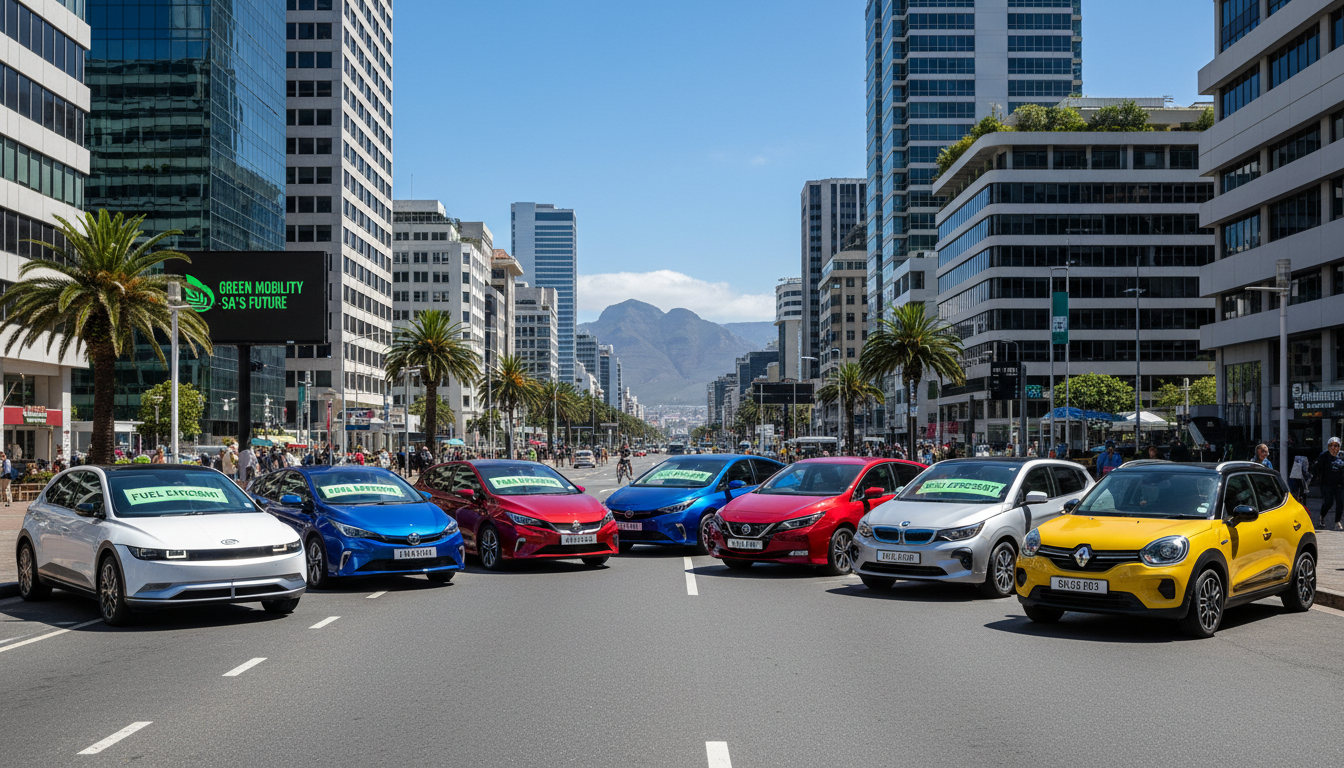
Market trends can change this situation. Fuel prices, economic conditions, changing consumer preferences and new technology can all affect what buyers want. For example, fuel-efficient vehicles may become more desirable when fuel costs increase. Similarly, growing interest in electric vehicles can influence the resale values of petrol, diesel and electric cars in different ways.
New model releases can also affect depreciation. When a manufacturer introduces a redesigned version of an existing vehicle, older versions may lose value because buyers may prefer the newer styling, technology and features.
How Depreciation Affects Buyers
Depreciation is particularly important when deciding whether to buy a new or used car. New vehicles generally experience their steepest depreciation early in their lives. Buying a nearly new or lightly used vehicle can therefore allow a buyer to avoid some of the initial depreciation while still obtaining a relatively modern car.
However, buying new has advantages, including access to the latest technology, a full manufacturer's warranty and the ability to choose the exact specification. For some buyers, these benefits may justify the higher initial cost.
Buyers should therefore consider the total cost of ownership, rather than looking only at the purchase price. Insurance, fuel, servicing, financing and depreciation can all contribute to the overall cost of owning a vehicle.
How Depreciation Affects Sellers
For sellers, depreciation determines how much money can realistically be recovered when the vehicle is sold. A car purchased several years earlier may be worth substantially less than its original purchase price.
Private sellers may sometimes achieve a higher price than they would receive from a dealership because a dealer needs to account for preparation, warranty obligations, operating costs and profit when offering a trade-in or buying a used vehicle.
Timing can also influence the selling price. Selling before a vehicle reaches particularly high mileage or requires major maintenance may help protect its value. Keeping the vehicle in excellent condition and maintaining complete documentation can also make it easier to attract buyers.
How to Reduce Depreciation
Although depreciation cannot be completely avoided, owners can take steps to slow it down. Choosing a vehicle with a strong reputation for reliability and good resale demand is an important starting point.
Keeping mileage reasonable, following the recommended maintenance schedule and avoiding unnecessary modifications can also help. Owners should protect the vehicle from excessive wear, repair damage promptly and keep detailed service records.
Colour and specification can sometimes influence resale demand as well. Popular colours and desirable features may make a vehicle easier to sell, while unusual modifications or highly personalised styling can narrow the potential buyer pool.
Conclusion
Car depreciation has a major impact on the true cost of owning a vehicle. Age, mileage, condition, maintenance, brand reputation, market demand and changing automotive trends all influence how much a car will be worth in the future.
For buyers, understanding depreciation can help identify vehicles that offer better long-term value. For owners, proper maintenance and careful use can help protect resale value. Ultimately, the smartest approach is to consider not only what a car costs today, but also what it is likely to be worth when it is time to sell.
Guides


2000 Escape 17

2010 Viking Velocity

2026 Apex Striker

2000 Sea-Doo GSX




Reviews


0 Comments
Post Comment