
 Trailers
 Buses
Buses
 Tractors
 Rollers
 Cranes
 Loaders
 Graders
 Forklifts
 Dozers
 Excavators
 Boats
Boats
 Caravans





Understanding Car Ownership Costs for 5 Popular SA Models
South Africa’s new-vehicle market continues to show a fascinating mix of traditional favourites, affordable hatchbacks, family SUVs and increasingly popular Chinese models. While Toyota remains one of the country’s dominant automotive brands, newer competitors are steadily challenging the established order with attractive pricing and extensive standard equipment. Recent sales figures show that South African motorists remain strongly focused on value, practicality and reliability when choosing their next vehicle.
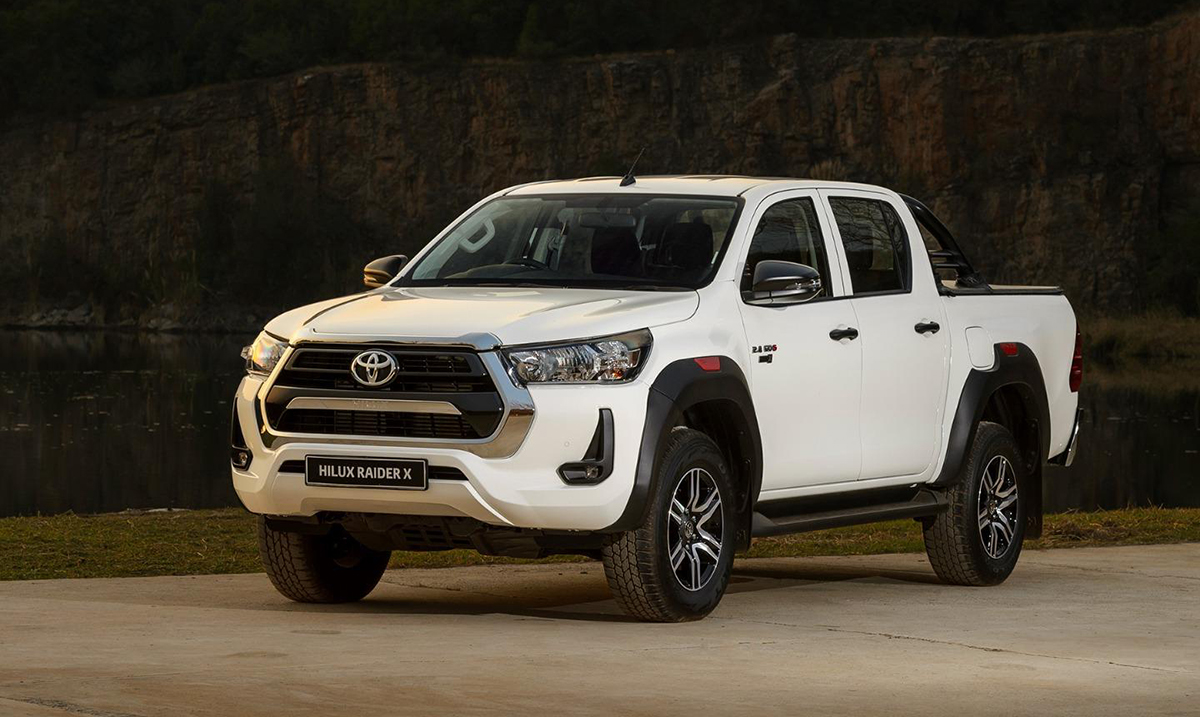
The Toyota Hilux remains the country’s strongest overall seller. In July 2026, the popular bakkie recorded 4,189 domestic sales, putting it comfortably ahead of every other model. The Ford Ranger followed with 2,063 units, while the Isuzu D-Max achieved 1,969. The figures demonstrate just how important the bakkie segment remains in South Africa, serving both commercial customers and private buyers.
Toyota Hilux Leads the Market
The Hilux has built a particularly strong reputation in South Africa over several decades. Its combination of durability, practicality, load-carrying ability and strong resale value has made it a favourite among businesses, farmers and recreational users.
The arrival of the latest-generation Hilux has not weakened demand. In fact, the model topped the sales charts again in July, exceeding 4,000 units for the month. Its success also demonstrates that buyers continue to value established brands with extensive dealer and service networks.
Volkswagen Polo Vivo Remains a Favourite
For passenger cars, the Volkswagen Polo Vivo continues to be one of South Africa’s biggest success stories. It sold 2,503 units in July 2026, making it the country's best-selling passenger vehicle for the month.
The Polo Vivo's appeal is relatively straightforward. It offers familiar Volkswagen styling, practical dimensions, established local support and a price point aimed at mainstream buyers. The vehicle is also locally produced, strengthening its position in a market where affordability remains a major consideration.
Interestingly, sales data shows that South African consumers are often choosing entry-level derivatives rather than highly specified versions. During the first quarter of 2026, the Polo Vivo's base model was the country's best-selling individual derivative.
Chinese Brands Are Making Their Mark
Perhaps the most significant development in the market is the rapid growth of Chinese manufacturers.
The Chery Tiggo 4 has become one of the country's strongest-selling passenger vehicles. In July, the model recorded 2,110 sales, putting it ahead of the Ford Ranger and behind only the Hilux and Polo Vivo when considering the overall model rankings.
This is particularly noteworthy because Chinese brands were once considered newcomers in South Africa. Today, manufacturers including Chery, GWM, Haval, Omoda, Jaecoo and Jetour have established significant market presence.
The success of these brands is largely driven by value. Buyers can often access SUVs with extensive technology, modern styling and generous equipment at prices that compare favourably with established competitors.
Chery's rise is especially striking. In the fourth quarter of 2025, Chery ranked seventh among manufacturers with 6,965 units and a 4.6% market share, while its Tiggo 4 Pro accounted for 5,221 sales during the quarter.
Suzuki Continues Its Strong Performance
Suzuki has also become a major force in the South African market. The Japanese manufacturer has built its reputation around affordable, compact and practical vehicles.
The Suzuki Swift recorded 1,916 sales in July 2026, placing it sixth overall. The Suzuki Fronx added another 1,185 units, while the Ertiga achieved 1,085. Having three models among the top 12 illustrates the strength of Suzuki's product strategy.
The Swift's success reflects the continued demand for affordable small cars. Despite the growing popularity of SUVs, many buyers still prioritise low purchase prices, fuel economy, compact dimensions and manageable running costs.
SUVs Continue to Grow
South Africans are also increasingly choosing SUVs and crossover vehicles. The Toyota Corolla Cross was seventh overall in July with 1,626 units, while the Haval Jolion recorded 1,132.
The Corolla Cross benefits from Toyota's reputation and the popularity of the SUV body style, while the Jolion demonstrates how Chinese manufacturers are competing aggressively in this segment.
Other popular crossovers include the Toyota Urban Cruiser, Suzuki Fronx, Omoda C5 and Jetour T2. This suggests that consumers increasingly want the raised driving position and practical design of an SUV without necessarily moving into large, expensive vehicles.
Hyundai Keeps Its Place in the Market
The Hyundai Grand i10 remains another important player. With 1,482 units sold in July, it ranked eighth overall. Its success demonstrates that affordable hatchbacks remain highly relevant despite the industry's shift towards SUVs.
For buyers concerned about monthly repayments and running costs, smaller cars continue to make considerable sense. Entry-level vehicles are also particularly important for first-time buyers and households operating under tighter budgets.
What the Sales Figures Tell Us
South Africa's best-selling vehicles reveal several important trends. First, affordability remains critical. Second, buyers continue to place considerable value on established dealer networks, reliability and resale value. At the same time, Chinese manufacturers are proving that customers are increasingly willing to consider newer brands when the value proposition is compelling.
The market is also becoming more diverse. July's top 20 included traditional favourites such as the Hilux and Polo Vivo, compact cars such as the Swift and Grand i10, SUVs such as the Corolla Cross and Jolion, and newer Chinese models including the Chery Tiggo 4, Jetour T2 and Omoda C5.
Another interesting development is the continued importance of practical work vehicles. The Hilux, Ranger and D-Max occupied the top three positions among light commercial vehicles in June, confirming the importance of bakkies to South Africa's economy and lifestyle.
The Road Ahead
South Africa's automotive market is likely to become even more competitive. Chinese manufacturers are expanding their portfolios, including electric and hybrid vehicles, while established brands are responding with new models and technologies. At the same time, affordability will remain a major influence on purchasing decisions.
For now, however, Toyota, Volkswagen and Suzuki continue to demonstrate the strength of established brands, while Chery and other Chinese manufacturers are rapidly closing the gap. The latest sales figures show that South African consumers are becoming increasingly open to new choices.
The biggest winners are ultimately motorists. More competition means more options across different price points, body styles and technologies. Whether buyers want a dependable bakkie, an economical hatchback or a feature-packed SUV, South Africa's new-vehicle market now offers more choice than ever.
Guides

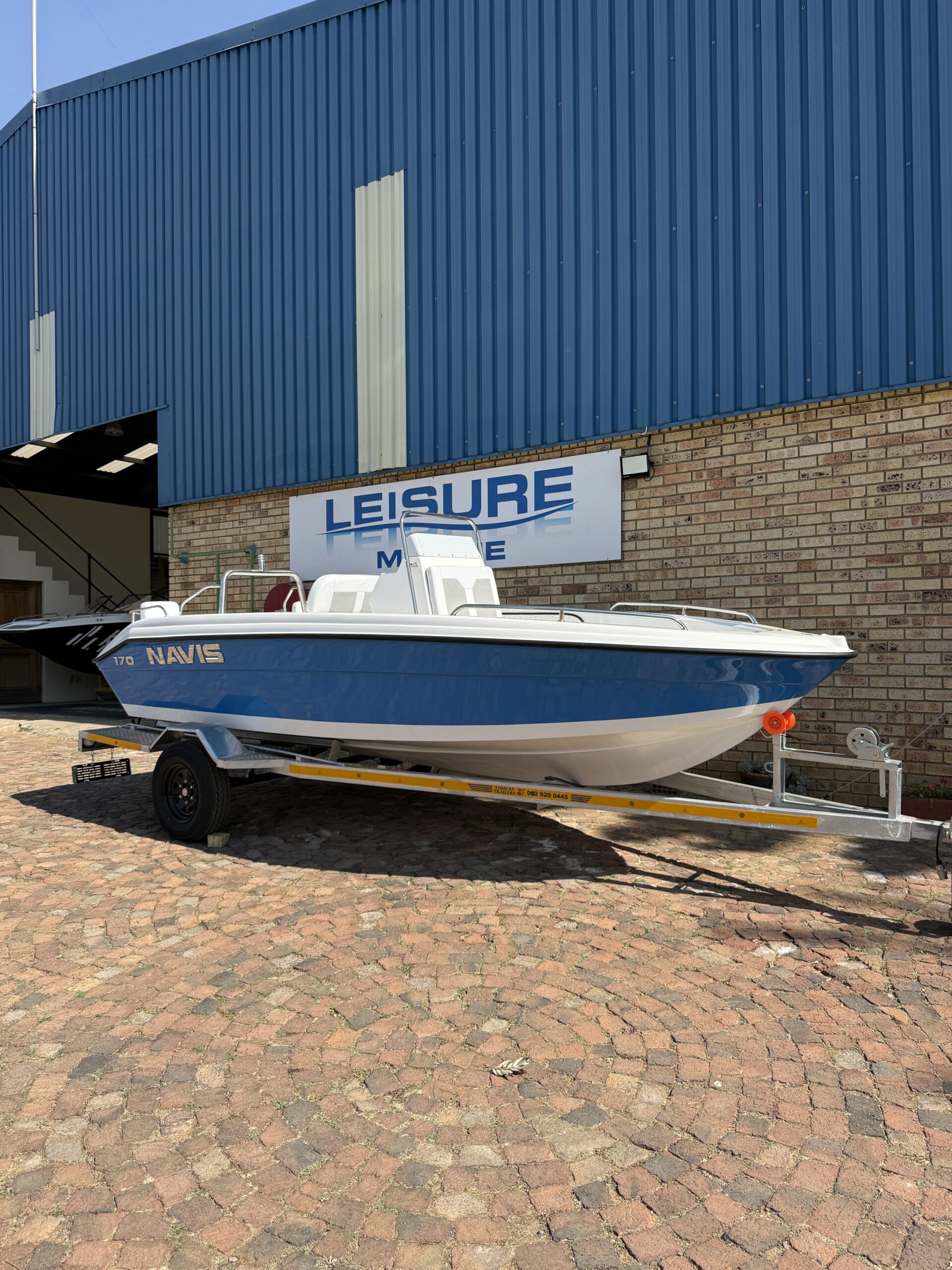
2000 Escape 17
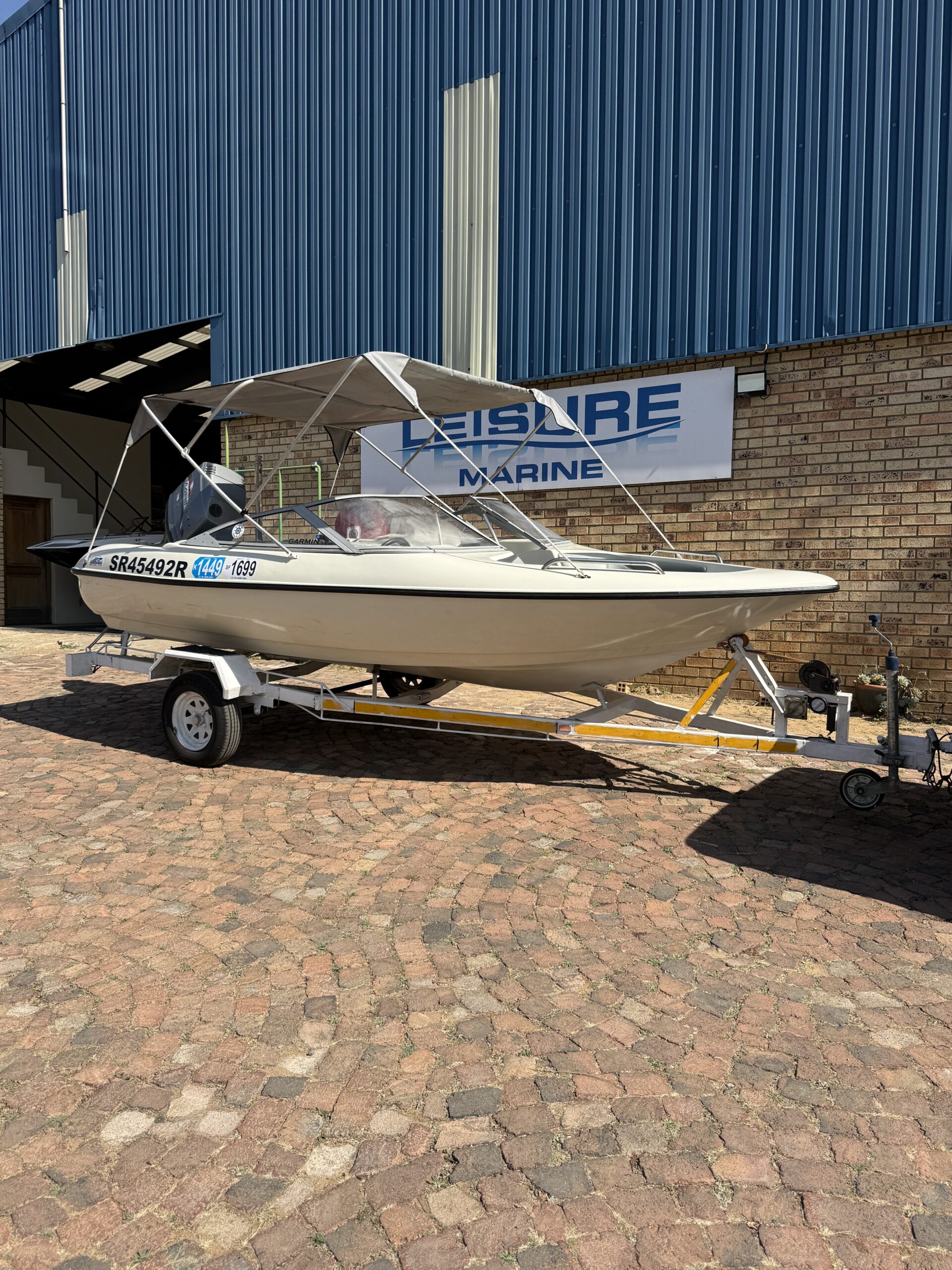
2010 Viking Velocity
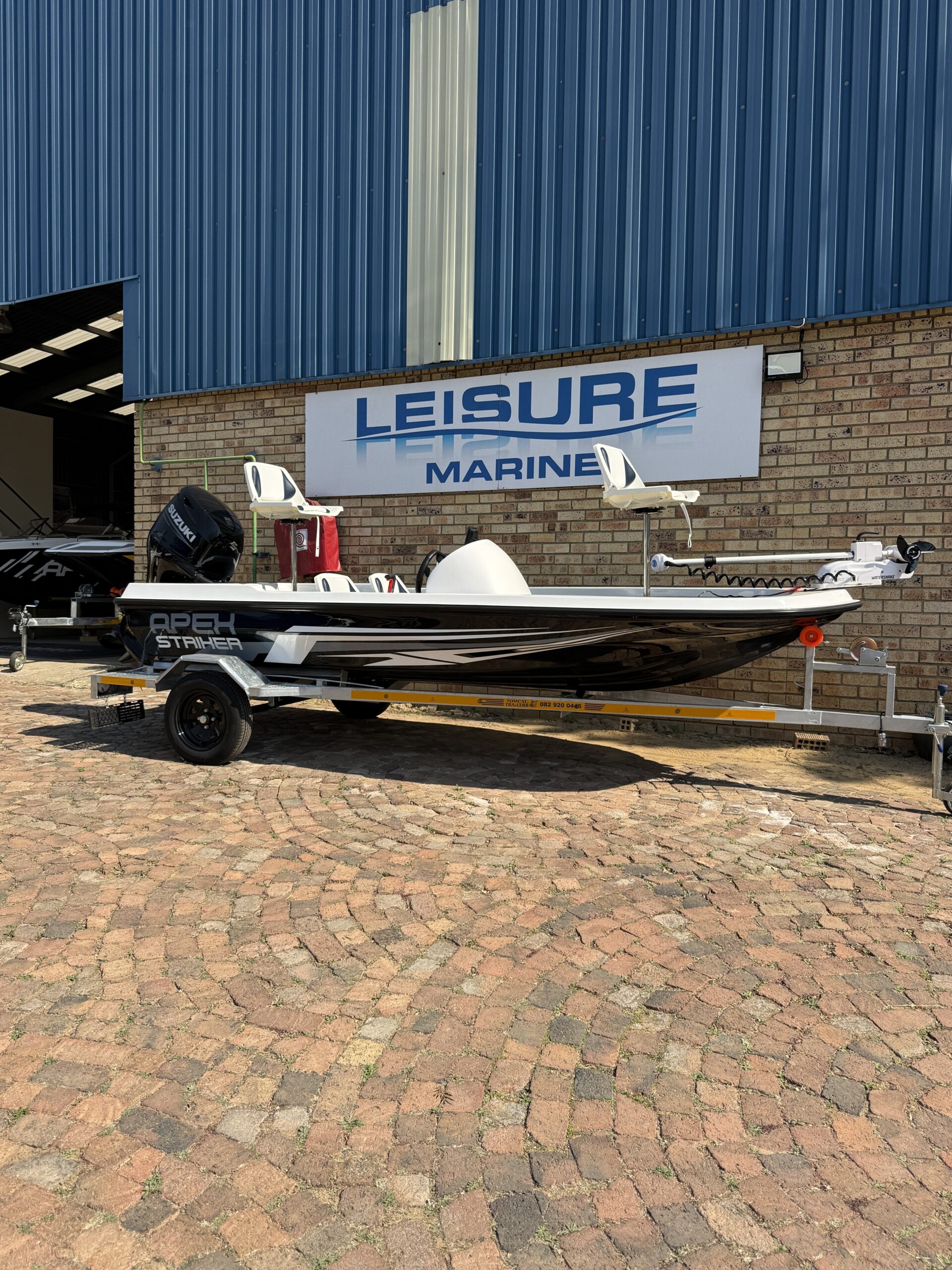
2026 Apex Striker
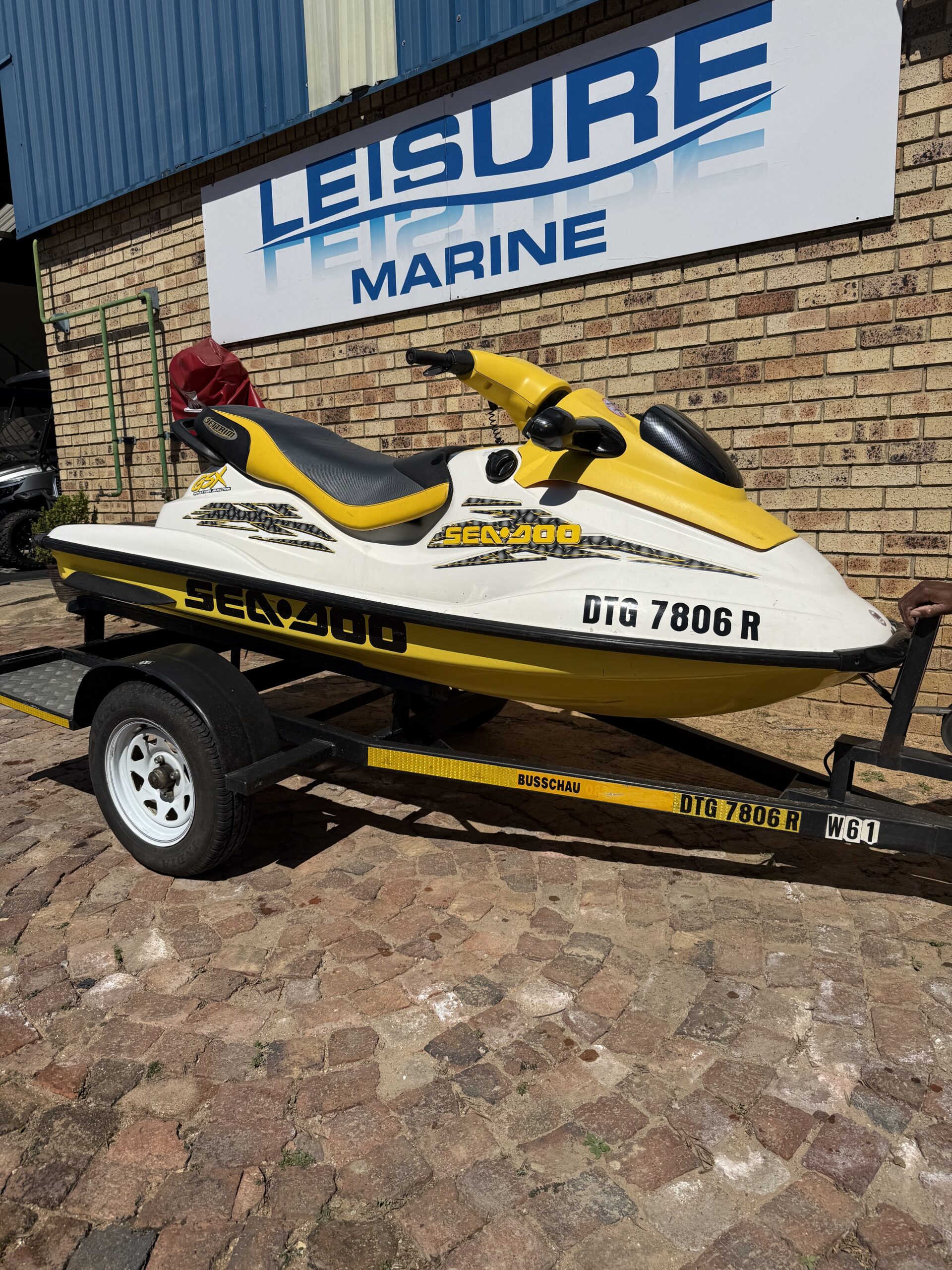
2000 Sea-Doo GSX
Reviews


0 Comments
Post Comment