
 Trailers
 Buses
Buses
 Tractors
 Rollers
 Cranes
 Loaders
 Graders
 Forklifts
 Dozers
 Excavators
 Boats
Boats
 Caravans





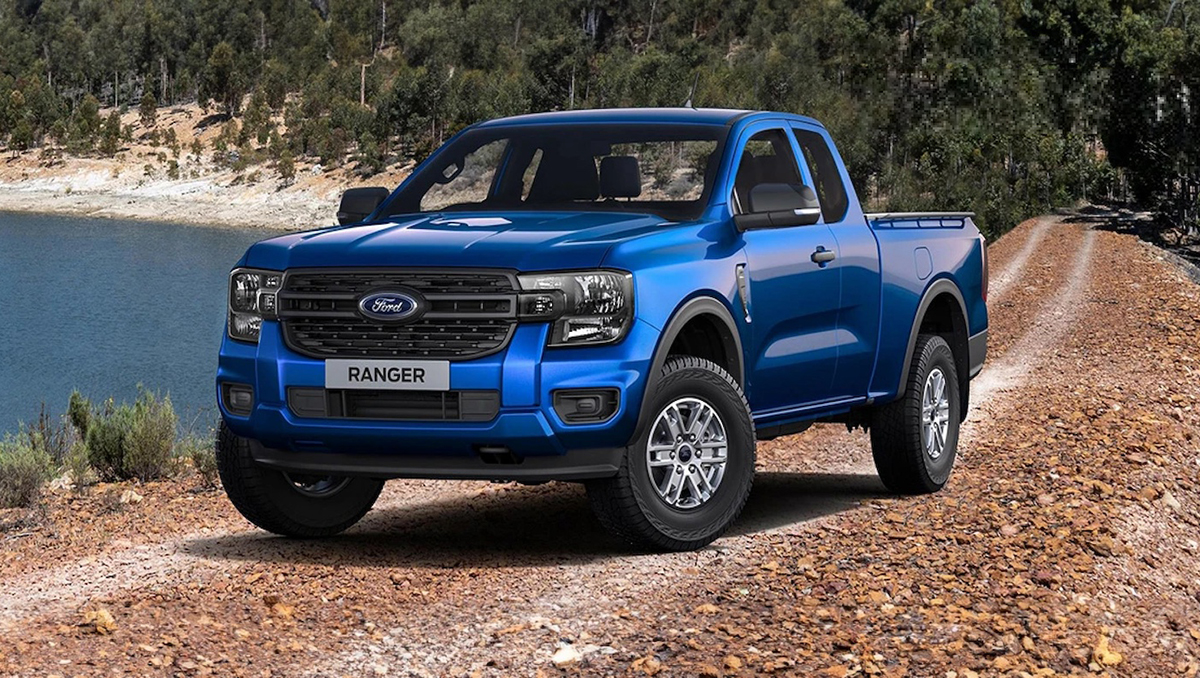
The safety features does the Ford Ranger 3.0TD V6 SuperCab Wildtrak have
The Ford Ranger 3.0TD V6 SuperCab Wildtrak is positioned as one of the most comprehensively equipped versions of the Ranger, combining the practicality of the SuperCab body with a powerful 3.0-litre V6 turbodiesel engine and an extensive collection of active and passive safety technologies. For the 2026 South African model, Ford lists a substantial suite of standard safety and driver-assistance equipment, designed to protect occupants, reduce the likelihood of collisions and make the vehicle easier to control in challenging conditions.
Airbags and occupant protection
One of the most fundamental aspects of the Ranger Wildtrak's safety specification is its airbag system. The SuperCab Wildtrak is equipped with dual front airbags, front side airbags and curtain airbags. These systems work together to provide protection in different types of collisions, helping to reduce the forces experienced by occupants during an accident.
The vehicle also uses three-point lap-sash seatbelts, while Ford's wider Ranger safety specification includes technologies designed to keep occupants securely restrained during a crash. Post-collision braking is another important feature. Following a collision, the system can automatically apply the brakes, helping to reduce the possibility or severity of a secondary impact if the vehicle continues moving.
It is worth noting that Ford's online Wildtrak specification information lists different airbag configurations in its broader Wildtrak information, so buyers should confirm the exact equipment fitted to the specific SuperCab derivative and model year. The South African specification brochure specifically lists dual front, front-side and curtain airbags for the 3.0-litre V6 SuperCab Wildtrak.
Pre-collision technology
Perhaps the most impressive part of the Wildtrak's safety package is its collection of active driver-assistance systems. Pre-Collision Assist combines several technologies intended to help prevent or mitigate frontal accidents. This includes Forward Collision Warning, Dynamic Brake Support and Autonomous Emergency Braking (AEB) with pedestrian detection.
The system monitors the road ahead and can warn the driver when it detects a potential collision. If the driver does not react sufficiently, AEB can intervene by applying the brakes. Pedestrian detection adds another layer of protection in situations where a person may enter the vehicle's path.
The Wildtrak also features Evasive Steer Assist. This is particularly useful in an emergency when simply braking may not be enough to avoid an obstacle. The system can provide steering assistance to help the driver manoeuvre around a detected hazard.
Lane and cruise-control assistance
For longer journeys, the Ranger 3.0TD V6 SuperCab Wildtrak comes with Adaptive Cruise Control incorporating Stop & Go and Lane Centering. Rather than simply maintaining a fixed cruising speed, adaptive cruise control can adjust the Ranger's speed according to traffic ahead. Stop & Go capability is particularly useful in slower-moving traffic, while Lane Centering assists with keeping the vehicle positioned within its lane.
Lane Keeping System with Road Edge Detection provides another layer of assistance. Instead of concentrating solely on painted lane markings, the system can help identify the edge of the road and provide corrective assistance if the vehicle starts drifting away from its intended path. This can be particularly useful when travelling on roads with less clearly defined edges.
Stability and off-road safety
Because the Ranger is a large 4x4 pickup that can be used for towing and off-road driving, stability-control technology is particularly important. The Wildtrak's Dynamic Stability Control system incorporates ABS, Load Adaptive Control, Roll Over Mitigation, Traction Control and Trailer Sway Control.
ABS helps maintain steering control during heavy braking, while traction control helps limit wheelspin. Load Adaptive Control takes the vehicle's load into consideration when managing braking performance. Roll Over Mitigation is especially relevant to a high-riding pickup, helping manage vehicle behaviour in situations where rollover risk could increase.
Trailer Sway Control is another useful feature for owners who intend to tow. The V6 Wildtrak has a maximum braked towing capacity of 3,500 kg, and Ford provides Trailer Light Check and Tow/Haul Mode as part of its towing-related equipment.
Hill Launch Assist helps prevent the vehicle from rolling backwards when pulling away on an incline, while Hill Descent Control can manage the vehicle's speed when descending steep terrain. These features are particularly valuable when the Ranger is being used away from conventional roads.
Blind spots, reversing and parking
The Wildtrak is also designed to make manoeuvring a large pickup easier. Blind Spot Monitoring alerts the driver to vehicles occupying areas that can be difficult to see in the mirrors. Importantly for people who tow, Ford specifies Blind Spot Monitoring with Trailer Coverage, extending the system's usefulness when a trailer is attached.
Rear Cross Traffic Alert provides assistance when reversing out of parking spaces or other areas where approaching traffic may be difficult to see. Reverse Brake Assist adds another layer of protection by helping detect obstacles behind the vehicle and applying the brakes when necessary.
Front and rear parking sensors are standard, while the 360-degree camera provides a bird's-eye-style view around the Ranger. This can make parking, navigating tight spaces and positioning the vehicle off-road considerably easier.
The Wildtrak also includes Active Park Assist 2.0, which can perform autonomous parallel and perpendicular parking. This is an especially useful feature given the Ranger's substantial dimensions.
Security features
Safety is not limited to avoiding crashes. The Ranger Wildtrak also incorporates several security features intended to protect the vehicle itself. These include an alarm with perimeter, interior-motion and vehicle-inclination sensors. The latter can help detect attempts to jack up or move the vehicle. Power door deadlocks, an immobiliser and smart keyless entry with push-button start are also included.
A tyre-pressure monitoring system is fitted as standard, allowing the driver to monitor tyre pressures and potentially identify pressure loss before it becomes a more serious problem.
Overall safety package
Overall, the Ford Ranger 3.0TD V6 SuperCab Wildtrak offers a remarkably broad safety specification. Its combination of airbags and occupant protection with AEB, pedestrian detection, adaptive cruise control, lane-centering assistance, blind-spot monitoring, trailer coverage, stability control, rollover mitigation, a 360-degree camera and reverse braking assistance gives it safety technology more commonly associated with premium SUVs than traditional workhorse pickups.
For South African buyers, this is particularly significant because the Ranger's abilities extend well beyond urban driving. Whether it is being used on the highway, carrying a load, towing a trailer or tackling difficult off-road terrain, the Wildtrak's safety systems are designed to provide additional assistance without replacing the driver's responsibility. Ford's official South African specification brochure confirms that these key safety and driver-assistance features are standard on the 3.0-litre V6 SuperCab Wildtrak.
In short, the Ranger 3.0TD V6 SuperCab Wildtrak's biggest safety advantage is the breadth of its standard equipment. It combines conventional crash protection with sophisticated electronic assistance, making it one of the better-equipped SuperCab pickups for both everyday driving and demanding recreational or work applications.
Guides

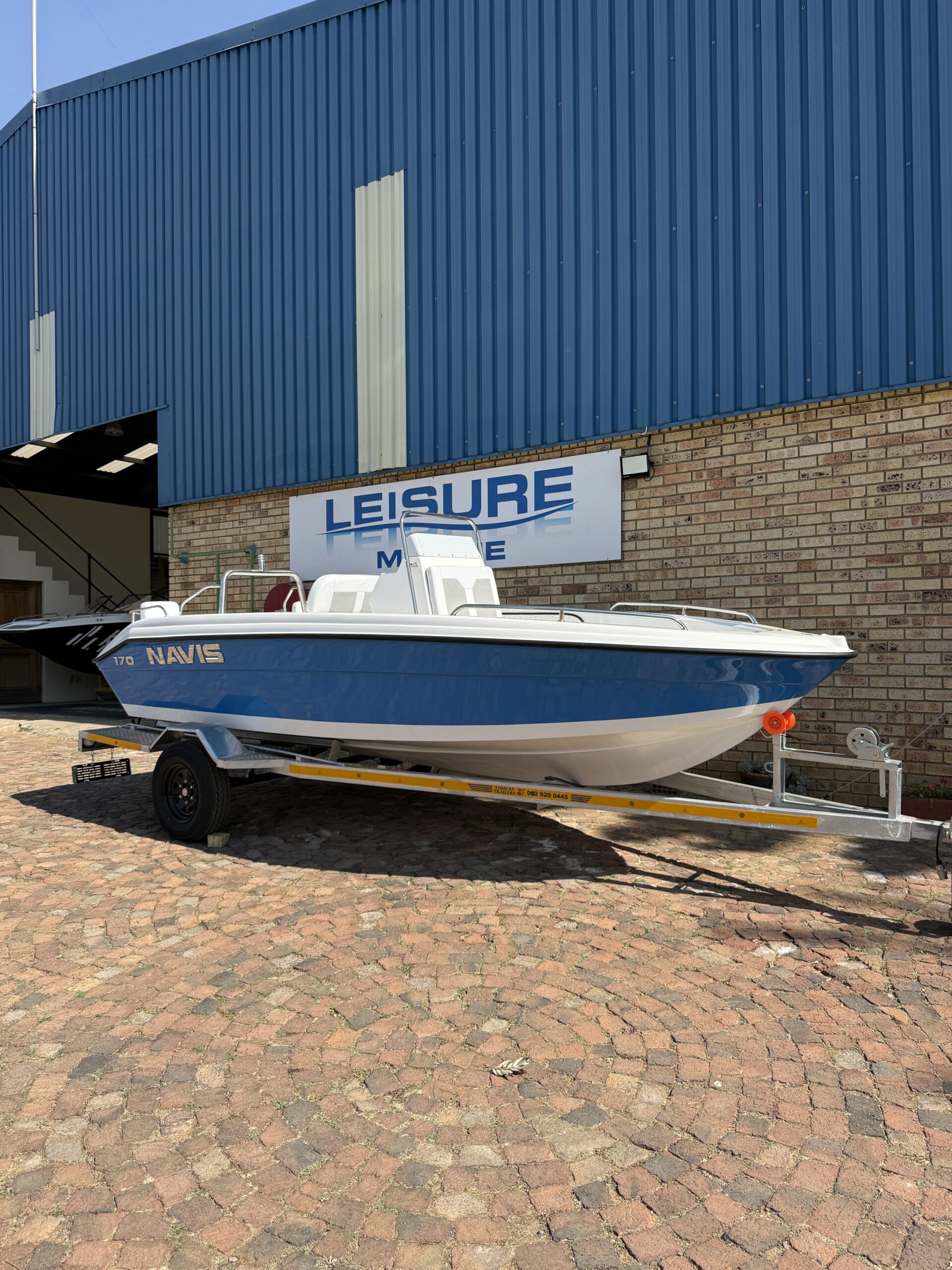
2000 Escape 17
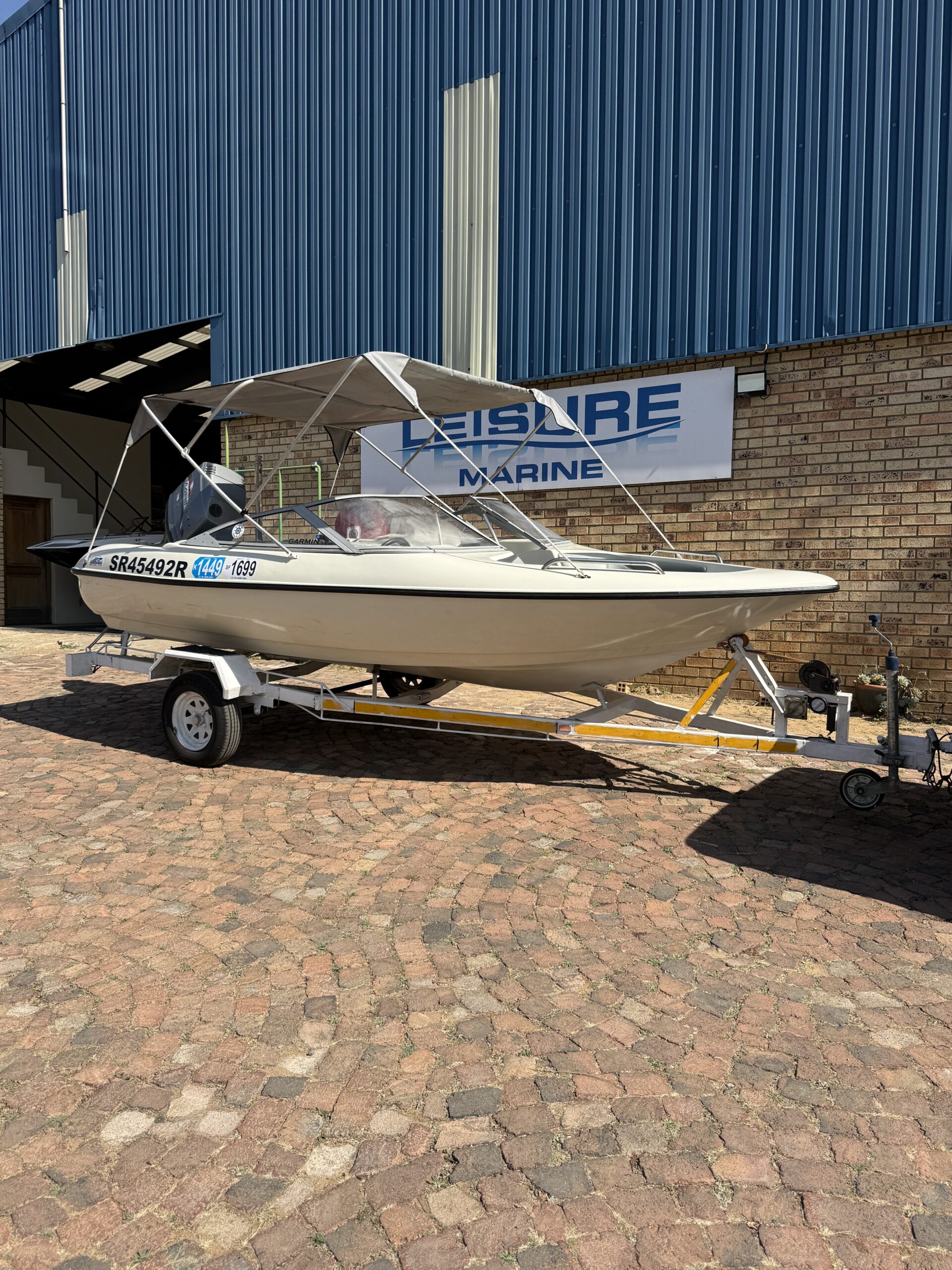
2010 Viking Velocity
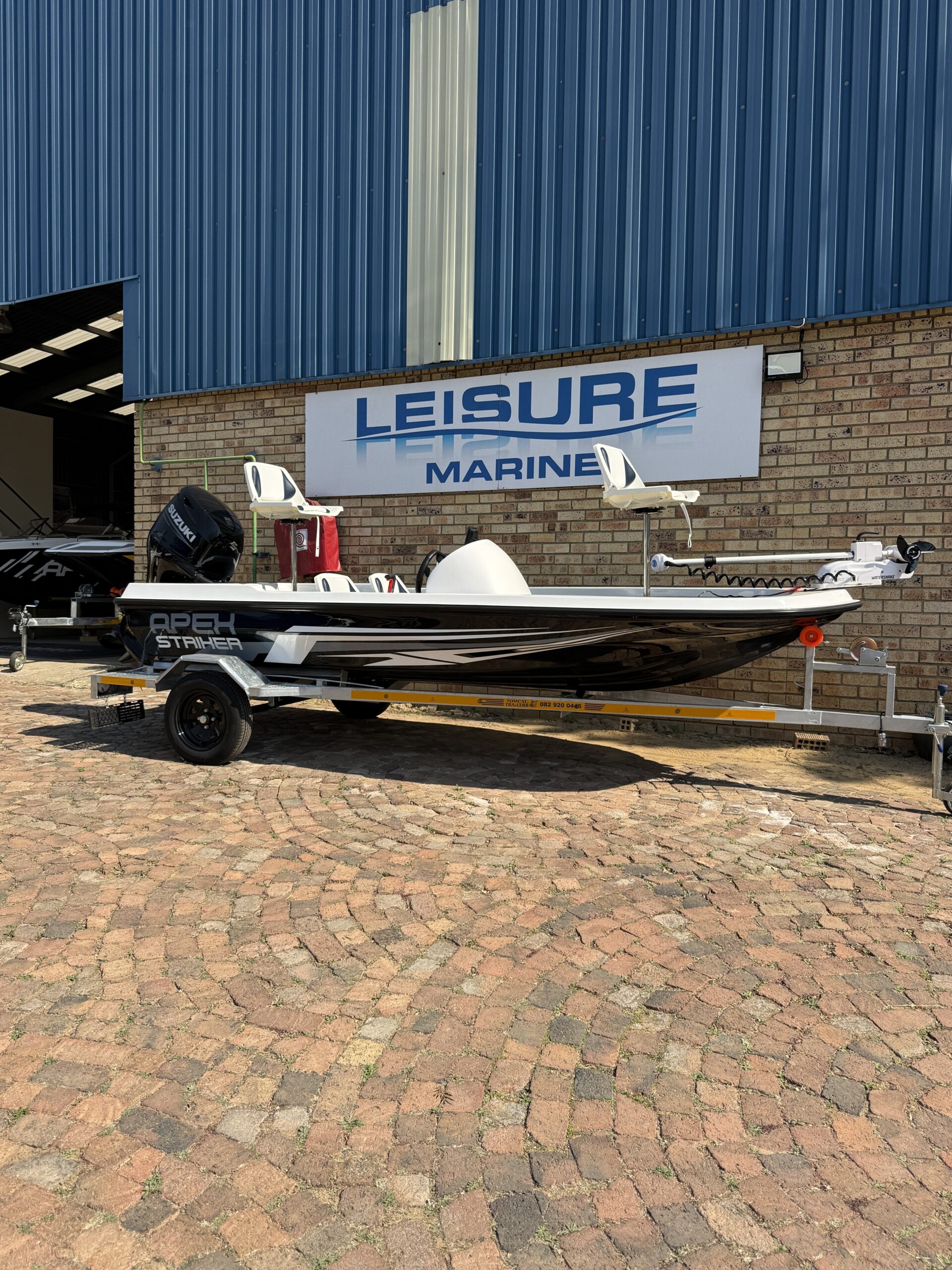
2026 Apex Striker
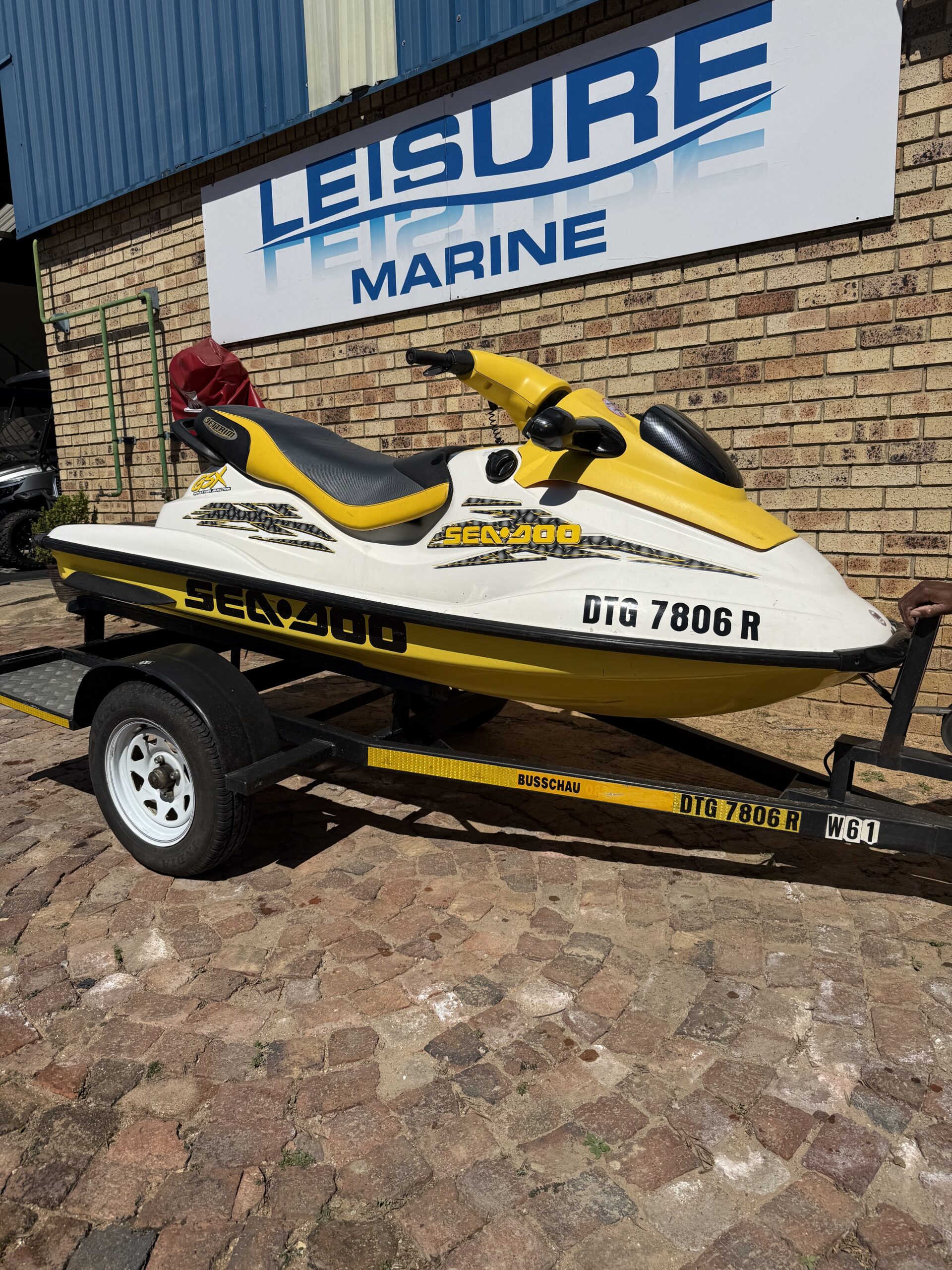
2000 Sea-Doo GSX
Reviews

0 Comments
Post Comment