
 Trailers
 Buses
Buses
 Tractors
 Rollers
 Cranes
 Loaders
 Graders
 Forklifts
 Dozers
 Excavators
 Boats
Boats
 Caravans





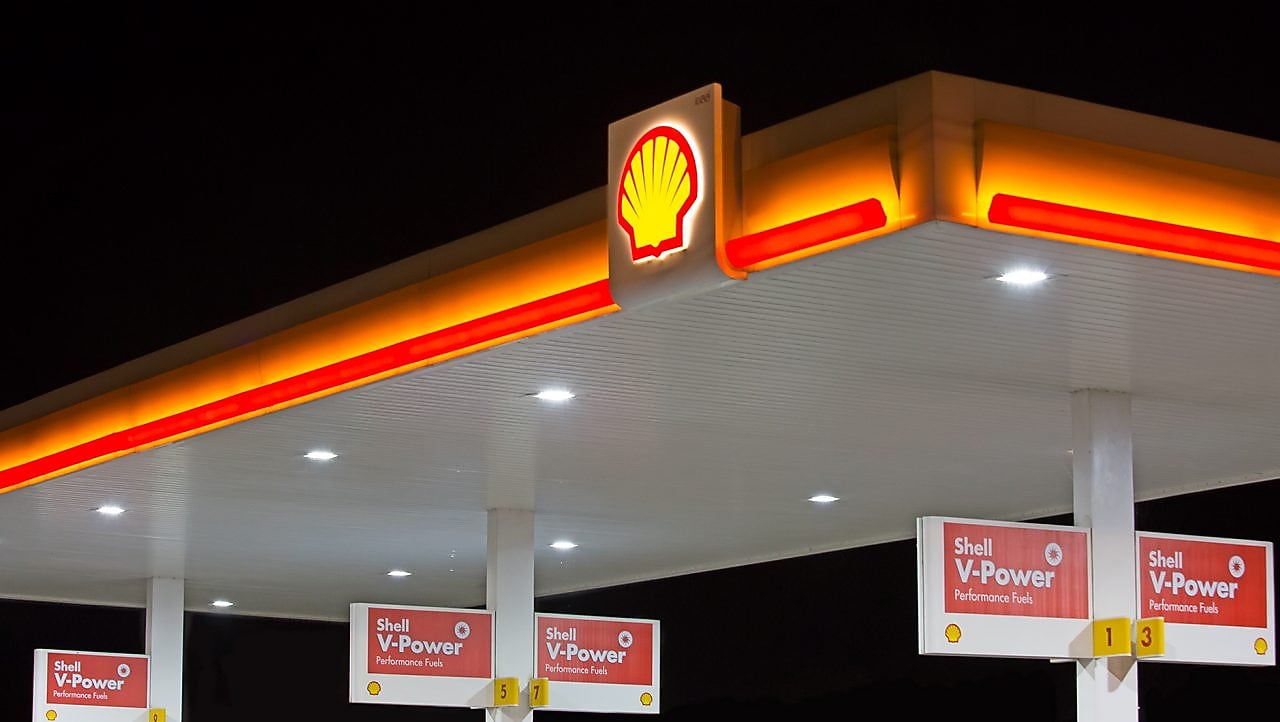
Petrol and diesel price in South Africa November 2026
South African motorists will be watching petrol and diesel prices closely in November 2026, as fuel costs continue to influence household budgets, transport expenses and the price of everyday goods. From commuters filling up before work to truck operators moving products across the country, changes in fuel prices can have a significant impact on the cost of living.
One important point: November 2026 fuel prices have not yet been officially announced as of 9 October 2026. The final prices will depend on international oil markets, the rand-to-dollar exchange rate, fuel-price adjustments and government levies. Any figures published before the official announcement should therefore be treated as estimates rather than confirmed pump prices.
What are the expected fuel prices for November 2026?
Early fuel-price data suggests that motorists could face further increases in November, although the outlook has improved compared with initial estimates. Recent reporting based on Central Energy Fund (CEF) figures indicates that petrol was facing an under-recovery of approximately R3.16 to R3.35 per litre, while diesel was facing an under-recovery of around R1.77 to R1.97 per litre. These are preliminary indications, not confirmed November increases.
The final adjustment may be smaller or larger depending on market movements during the remainder of October. The government's monthly fuel-price announcement is the source motorists should consult for the confirmed figures.
Why are petrol and diesel prices increasing?
Several factors influence South Africa's monthly fuel-price adjustments.
1. International oil prices
South Africa imports crude oil and refined petroleum products, making local fuel prices sensitive to international energy markets. In October 2026, the government reported that average Brent crude oil prices had risen from US$87.89 to US$101 per barrel during the review period. Continued tensions involving the United States and Iran, concerns about shipping through the Strait of Hormuz and lower fuel inventories contributed to the increase.
If oil prices remain elevated through October, motorists could face additional pressure in November. Conversely, improved supply conditions and falling international prices could help reduce the increase.
2. The rand-to-dollar exchange rate
The exchange rate is another important consideration. Because international oil is priced in US dollars, a weaker rand makes fuel imports more expensive, even if the dollar price of oil remains unchanged.
A stronger rand can help cushion the impact of rising oil prices. However, a weakening rand combined with expensive crude oil can create a double financial burden for South African motorists.
3. Government levies and fuel-price adjustments
The regulated fuel-price structure also includes taxes, levies, transport costs and other regulated components. These affect the final price paid at the pump.
The government's October 2026 adjustment included a substantial increase in the slate levy, which helps address accumulated under-recoveries in the fuel-pricing system. This demonstrates why local prices can change even when the international oil price alone does not explain the entire adjustment.
How expensive is fuel in October 2026?
The latest confirmed October adjustment took effect on 7 October 2026. Petrol 93 increased by R3.12 per litre, while petrol 95 increased by R3.33 per litre. Diesel increased by R2.84 per litre for 500ppm sulphur and R3.24 per litre for 50ppm sulphur.
In Gauteng, 95-octane petrol reached approximately R30.25 per litre, while the coastal price was approximately R29.38 per litre. Diesel wholesale prices also rose sharply. Retail diesel prices can differ between filling stations because the wholesale price is not the final pump price.
These prices provide a useful starting point for understanding how another increase could affect motorists in November.
What do higher fuel prices mean for motorists?
The effect on household budgets can be substantial. Consider a vehicle with a 50-litre fuel tank.
-
At R30 per litre, filling the tank costs R1,500.
-
At R32 per litre, the same fill costs R1,600.
-
At R35 per litre, the cost rises to R1,750.
That means a motorist could pay an additional R100 to R250 per full tank compared with a R30-per-litre baseline.
Businesses are also affected. Higher diesel costs increase expenses for freight companies, agricultural operators and public transport providers. These additional costs can eventually feed through to food prices, delivery charges and other consumer goods.
How can drivers prepare for November?
Motorists can take practical steps to reduce their fuel expenditure, regardless of the final November adjustment.
-
Compare fuel prices and promotions at reputable local filling stations.
-
Maintain correct tyre pressures and service vehicles regularly.
-
Avoid unnecessary idling and accelerate smoothly.
-
Combine errands to reduce unnecessary kilometres.
-
Consider a more fuel-efficient vehicle when replacing an existing car.
Drivers who travel long distances may also benefit from comparing the total ownership costs of hybrid and electric vehicles, particularly if petrol prices remain elevated.
Conclusion
South Africa's November 2026 petrol and diesel prices remain uncertain, but preliminary indicators suggest that motorists should prepare for the possibility of further increases. International oil prices, geopolitical tensions, the rand and local fuel-price adjustments will determine the final outcome.
Guides















Reviews



0 Comments
Post Comment