
 Trailers
 Buses
Buses
 Tractors
 Rollers
 Cranes
 Loaders
 Graders
 Forklifts
 Dozers
 Excavators
 Boats
Boats
 Caravans





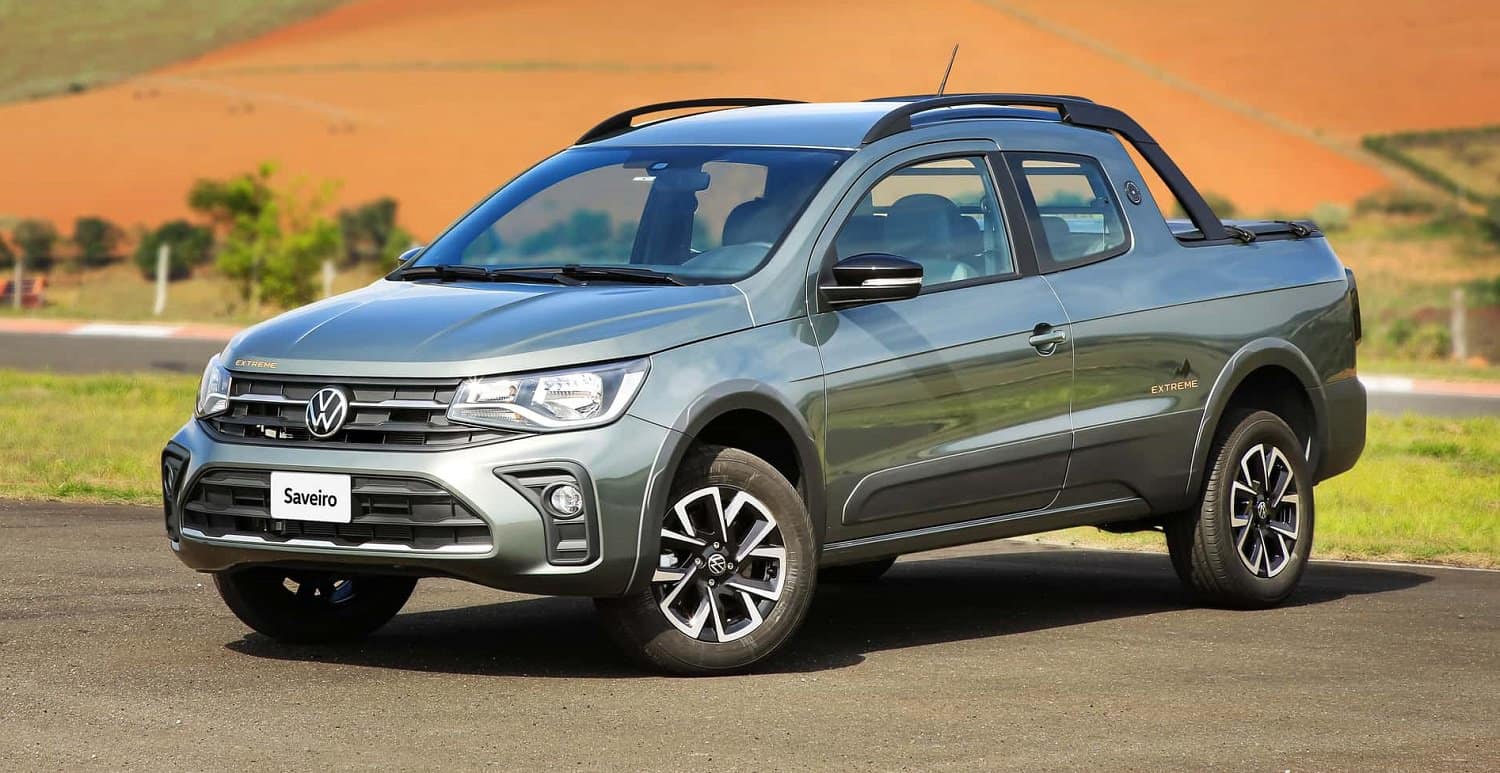
Is Volkswagen Tukan Bakkie Coming to South Africa
Volkswagen’s new Tukan bakkie has officially been revealed in Brazil, and South African buyers have plenty of reasons to pay attention. The compact bakkie is being developed primarily for the South American market, but Volkswagen Group Africa has indicated that a South African version is being investigated. For now, however, the Tukan is not officially confirmed for local production or sale.
The Tukan is an important model for Volkswagen because it gives the brand a new competitor in the growing small-bakkie market. It will also sit below the larger Amarok in Volkswagen’s commercial-vehicle line-up.
What Is the Volkswagen Tukan?
The Tukan is a new compact bakkie developed by Volkswagen in Brazil. It has been designed as a successor to the ageing Saveiro, although Volkswagen has described it as entering a new segment rather than directly replacing the older model.
The production version was revealed in Brazil in August 2026, with Volkswagen showing both single-cab and double-cab configurations. Production is scheduled to begin in 2027 at the company’s São José dos Pinhais plant in Brazil.
The single-cab version focuses heavily on commercial users, while the double-cab model is aimed more towards lifestyle buyers. This gives Volkswagen the flexibility to compete for both business and private customers.
Could It Come to South Africa?
This is the question that matters most to local buyers. The short answer is: possibly, but it has not been confirmed.
Volkswagen Group Africa has previously acknowledged that the Tukan is being considered for South Africa. Local reports indicate that a localised version could potentially be produced at Volkswagen’s Kariega facility in the Eastern Cape. However, the company has not announced a final investment decision or confirmed a South African launch date.
Reports have suggested that local production could potentially happen around 2029, depending on feasibility, business conditions and government policy. This means the Tukan should currently be regarded as a possibility rather than a confirmed future Volkswagen South Africa product.
Why South Africa Makes Sense
South Africa is one of the world's most important markets for bakkies, making the country a logical destination for the Tukan.
The local market already has a wide selection of compact and one-tonne bakkies, ranging from entry-level workhorses to lifestyle-oriented double cabs. A smaller Volkswagen bakkie positioned below the Amarok could attract customers who want the practicality of a load box without the size and price of a traditional one-tonne bakkie.
It could also strengthen Volkswagen's commercial-vehicle portfolio. The Amarok competes in the larger and more expensive segment, while the Tukan could give Volkswagen an affordable alternative for small businesses, tradespeople, farmers and private buyers.
What Platform Does It Use?
One of the most interesting aspects of the Tukan is its architecture. The bakkie is based on Volkswagen's MQB platform family, which underpins several Volkswagen Group passenger vehicles.
However, Volkswagen has made significant modifications to adapt the architecture for bakkie duties. Unlike many passenger cars using MQB-based suspension systems, the Tukan uses a rigid rear axle with leaf springs. This configuration is intended to improve durability and load-carrying capability.
The approach is particularly relevant for a commercial vehicle because buyers in this category are likely to prioritise payload, durability and operating costs over sophisticated rear suspension.
What Engines Could It Have?
Volkswagen has not released the complete South African specification because there is no confirmed local model yet. However, the Brazilian Tukan is expected to offer several petrol powertrain options.
Reported engines include a naturally aspirated 1.6-litre unit for entry-level applications, a 1.0-litre turbocharged TSI and a 1.5-litre mild-hybrid engine for higher-specification versions. The 1.5-litre powertrain is expected to use Volkswagen's newer mild-hybrid technology.
If the Tukan eventually reaches South Africa, Volkswagen could adapt the engine line-up to suit local regulations, pricing and customer demand.
A turbocharged engine would make sense for lifestyle-oriented models, while a simpler naturally aspirated engine could be attractive to commercial customers who prioritise affordability and ease of ownership.
What About Payload?
Payload is expected to be one of the Tukan's strongest selling points.
Overseas reports indicate that Volkswagen is targeting a payload of more than 700kg. The leaf-spring rear suspension is an important part of achieving this work-focused capability.
If those figures are maintained for a South African version, the Tukan could occupy an interesting position between smaller half-tonne bakkies and traditional one-tonne models.
However, Volkswagen has yet to release all final technical specifications, so local buyers will need to wait for confirmed payload, towing and dimensions before making direct comparisons with existing South African bakkies.
Could It Replace the Saveiro?
The Tukan is widely described as the successor to the Saveiro, a small Volkswagen bakkie that has been sold in Brazil for many years.
However, Volkswagen is positioning the new model as more than simply an updated Saveiro. The addition of a double-cab body style expands its potential appeal to lifestyle buyers, while the more modern platform and stronger commercial focus should make it a considerably more capable product.
For South Africa, this distinction is important because the Tukan could potentially compete in a segment that currently has limited Volkswagen representation.
The Kariega Connection
The biggest reason South Africans should keep watching the Tukan is Volkswagen's investment in its local manufacturing operations.
The Kariega plant is preparing to build a new small SUV, known as the Tengo, from 2027. The Tukan's relationship with Volkswagen's small-vehicle architecture has raised speculation about whether local production could eventually expand to include a bakkie derivative.
There are still significant questions around volumes, investment requirements and engineering changes required for right-hand-drive production. Volkswagen would also need to determine whether projected African demand would justify local assembly.
Who Would It Compete Against?
If it arrives in South Africa, the Tukan could compete against smaller bakkies and lifestyle-oriented pickups rather than directly challenging the Amarok.
Its potential rivals could include compact models from manufacturers such as Fiat, Ford and Chevrolet in markets where those vehicles are sold. In South Africa, however, Volkswagen would need to position the Tukan carefully against established small and entry-level bakkies.
Pricing will ultimately be crucial. If Volkswagen can keep the Tukan significantly below the Amarok while offering competitive payload and running costs, it could attract buyers who currently have little reason to consider a Volkswagen commercial vehicle.
Verdict
The Volkswagen Tukan is certainly an interesting prospect for South Africa, but it is important not to confuse being considered with being confirmed.
The bakkie will enter Brazilian production in 2027, with single- and double-cab versions, a Volkswagen MQB-based architecture and a heavy-duty rear suspension designed for carrying loads. Its potential payload of more than 700kg could also make it particularly relevant to commercial buyers.
For South Africa, the possibility of local production at Kariega is particularly exciting. A locally assembled Tukan could strengthen Volkswagen's bakkie line-up and give buyers a smaller, more affordable alternative to the Amarok.
For now, though, there is no confirmed South African launch date or production decision. The Tukan remains a model that Volkswagen Group Africa is investigating, meaning local buyers will have to wait for an official announcement before they can start planning for a Volkswagen Tukan in their driveway.
Guides

Reviews

0 Comments
Post Comment