
 Trailers
 Buses
Buses
 Tractors
 Rollers
 Cranes
 Loaders
 Graders
 Forklifts
 Dozers
 Excavators
 Boats
Boats
 Caravans





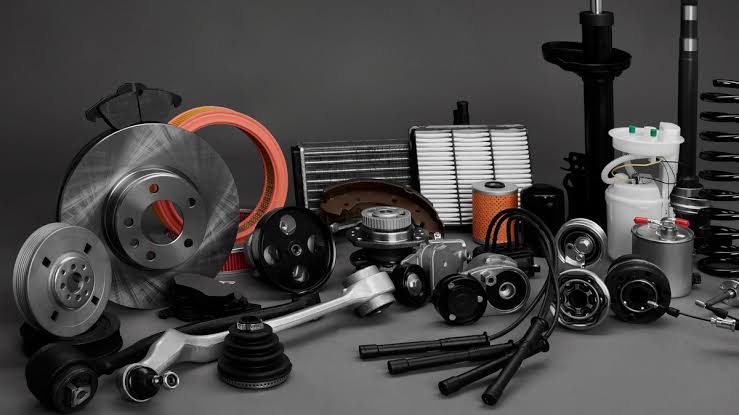
Imported Aftermarket Parts vs OEM: How to Avoid Counterfeit Spares in South Africa
When it comes to vehicle repairs and maintenance, South African motorists have more choices than ever. Imported aftermarket parts can offer attractive prices and wider availability, while Original Equipment Manufacturer (OEM) parts are often associated with quality, compatibility and reliability. However, the growing demand for affordable replacement parts has also created opportunities for counterfeit spares to enter the market.
Knowing the difference between genuine OEM components, legitimate aftermarket alternatives and counterfeit parts is essential for protecting your vehicle, your finances and your safety.
What Is an OEM Part?
OEM parts are manufactured by the vehicle manufacturer or by a supplier authorised to produce components to the manufacturer's specifications. They are designed to meet the exact requirements of a particular vehicle.
For example, an OEM brake component should meet the specifications required for the vehicle's braking system, including dimensions, materials and performance standards. Although OEM parts can cost more, buyers are generally paying for verified compatibility and consistent manufacturing quality.
OEM does not necessarily mean that the vehicle manufacturer physically made the component. Many manufacturers outsource production to specialist suppliers. What matters is that the part meets the required specifications and is supplied through a legitimate channel.
What Are Imported Aftermarket Parts?
Aftermarket parts are produced by companies other than the vehicle's original manufacturer. They can be made locally or imported from countries around the world.
A reputable aftermarket manufacturer can produce high-quality components that perform as well as, or sometimes better than, an OEM equivalent. The main advantage is often price. Independent manufacturers compete with vehicle brands, which can make aftermarket parts considerably more affordable.
The problem arises when an aftermarket component is falsely presented as an OEM product, or when a low-quality imitation is sold under the name, packaging or branding of a legitimate manufacturer. These counterfeit parts can look convincing while failing to meet appropriate quality standards.
Why Counterfeit Spares Are a Serious Risk
Counterfeit parts are not simply a financial inconvenience. Depending on the component, a fake spare can create a significant safety hazard.
Counterfeit brake pads, filters, suspension components, bearings, electrical parts and other safety-critical products may use inferior materials or manufacturing processes. A component that looks identical to the genuine item may wear prematurely, fail under stress or damage other vehicle systems.
There is also the possibility of paying genuine-part prices for an inferior product. Once installed, counterfeit components can be difficult to identify without examining packaging, markings or the part itself.
How to Identify Genuine Parts
One of the best ways to reduce the risk of counterfeit spares is to buy from established suppliers. Be cautious when a seller offers a supposedly genuine part at a price that seems dramatically lower than normal market prices.
Check the packaging carefully. Look for spelling mistakes, poor-quality printing, inconsistent logos, missing labels or unusual packaging materials. Genuine manufacturers often use serial numbers, QR codes, holograms or other identification systems, although these features vary between brands.
Part numbers should also be checked against the vehicle's specifications. Do not rely solely on appearance. A counterfeit or incorrect component can have a part number that looks legitimate but does not correspond to the correct application.
When possible, verify the part number directly with the manufacturer, an authorised distributor or a reputable parts supplier.
Choose the Right Supplier
The seller can be just as important as the part itself. Established automotive parts distributors should be able to provide clear information about the manufacturer, warranty, country of origin and applicable product documentation.
Be particularly careful when buying from informal online marketplaces or unknown sellers. A professional-looking website does not automatically guarantee that the products are genuine.
For expensive or safety-critical components, it is worth paying slightly more for traceability and a reliable warranty. Keep your invoice and packaging until you are confident that the part is correct.
OEM or Aftermarket: Which Should You Choose?
The decision does not always have to be “OEM versus cheap aftermarket.” A reputable aftermarket component can be an excellent choice, particularly when it comes from a recognised manufacturer with established quality-control processes.
For critical components such as braking, steering and suspension parts, however, quality should take priority over price. For routine maintenance items, a trusted aftermarket brand may provide a practical balance between cost and performance.
The key is knowing what you are buying.
Final Thoughts
Imported aftermarket parts are not automatically inferior, and OEM parts are not automatically immune from counterfeit activity. The real distinction is between verified, quality-controlled products and unverified or falsely represented parts.
South African motorists can reduce the risk by purchasing from reputable suppliers, checking part numbers, inspecting packaging, verifying authenticity where possible and being suspicious of deals that appear too good to be true.
Ultimately, saving money on a spare part is only worthwhile if the component is safe, compatible and reliable. When in doubt, choose traceability and quality over the cheapest available option—especially when the part affects the safety or reliability of your vehicle.
Guides










Reviews



0 Comments
Post Comment