
 Trailers
 Buses
Buses
 Tractors
 Rollers
 Cranes
 Loaders
 Graders
 Forklifts
 Dozers
 Excavators
 Boats
Boats
 Caravans





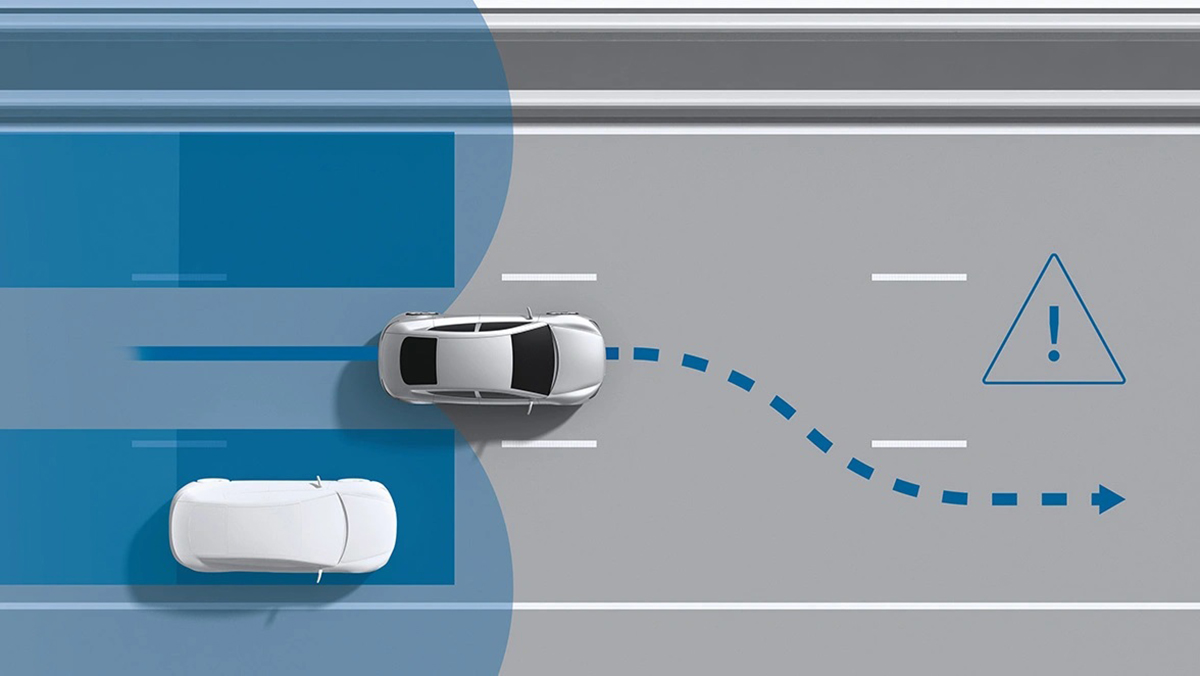
How lane-keep assist systems react to South Africa's poor road markings
Lane-keep assist has become an increasingly common safety feature in modern vehicles, including many models sold in South Africa. The technology is designed to reduce unintended lane departures by monitoring road markings and providing a warning or steering assistance when the vehicle begins to drift. However, South Africa's inconsistent road markings can present a significant challenge for these systems. Faded paint, missing lines, temporary road markings, potholes, roadworks and uneven surfaces can all affect how accurately lane-keep assist operates.
Most lane-keep assist systems use a forward-facing camera mounted near the top of the windscreen. The camera continuously analyses the road ahead and attempts to identify lane markings. When the system recognises the boundaries of the lane, it can determine the vehicle's position relative to those markings. If the vehicle begins drifting towards or across a detected line without the indicator being activated, the system may warn the driver through a steering-wheel vibration, audible alert or visual notification. More advanced systems can apply gentle steering input to guide the vehicle back towards the centre of the lane.
The problem is that cameras need reasonably clear visual information to perform this task. On a freshly marked highway, lane-keep assist can work very effectively because the contrast between the road surface and painted lines is easy for the camera to recognise. On a road where the markings have faded significantly, however, the camera may struggle to determine where one lane ends and another begins. Ford specifically acknowledges that its lane-keeping technology may become unavailable when road markings are poor or cannot be detected.
This is particularly relevant to South African motorists. Recent local reports have highlighted roads where lane markings have become faded or difficult to see, with repainting required to improve visibility and road safety. On Johannesburg's Winnie Mandela Drive, for example, faded markings were reportedly difficult to see at night and in wet weather before repainting took place. Similar concerns have been raised about sections of Hendrik Verwoerd Drive in Centurion.
When markings are poor, the most likely response from a lane-keeping system is simply to become unavailable. Instead of attempting to steer the vehicle without sufficient information, the system may stop providing warnings or steering assistance. Ford describes situations where lane markings are displayed as unavailable because the camera cannot identify clear lane boundaries. This is an important safety behaviour because it prevents the technology from pretending that it understands the road when the available information is inadequate.
However, poor markings can occasionally produce the opposite problem: incorrect detection. Cameras do not understand road markings in the same way a human driver does. They analyse visual patterns, contrasts and shapes. Consequently, unusual road surfaces, reflections, shadows, construction markings or other structures can sometimes be interpreted incorrectly as lane boundaries. Ford warns that lane-keeping systems can incorrectly track objects or structures as lane markings, potentially resulting in false or missed warnings.
Roadworks are another difficult situation. Temporary yellow or white lines, old markings that have not been completely removed and newly painted deviations can create confusing visual information. A human driver can usually interpret these markings using road signs, traffic flow and common sense. A camera-based system may have greater difficulty deciding which line represents the current lane. Ford's documentation specifically identifies ambiguous markings and sudden changes in lane markings as circumstances in which the system may not operate as expected.
South Africa's potholes and uneven road surfaces introduce another complication. Drivers frequently need to move slightly within their lane to avoid a pothole, damaged shoulder or other obstacle. If the manoeuvre takes the vehicle close to a detected lane marking, lane-keeping assistance may interpret the movement as an unintended departure and attempt to correct it. Ford notes that rough roads, grooves, shoulder drop-offs and uneven surfaces can affect the system's steering response.
Weather and lighting can make the situation even more complicated. Heavy rain, standing water, spray, fog, shadows and strong sunlight can interfere with the camera's ability to see road markings clearly. Wet roads may reduce the contrast between painted lines and the surrounding asphalt, while low-angle sunlight can shine directly into the camera. Ford states that these conditions can limit sensor performance and may prevent lane-keeping assistance from operating.
For South African drivers, this means lane-keep assist should be viewed as a backup rather than a system that can reliably drive the vehicle between imperfect road markings. It can be particularly useful on well-maintained highways and major routes, where markings are clear and consistent. On poorly marked roads, construction zones or damaged rural routes, drivers should expect the system to provide less assistance or switch off temporarily.
This does not mean lane-keep assist is unsuitable for South Africa. Rather, drivers need to understand its limitations. Ford itself emphasises that driver-assistance technology is supplementary and does not replace the driver's attention, judgement or responsibility for controlling the vehicle. Drivers should keep their hands on the steering wheel and remain prepared to override unwanted steering intervention immediately.
Ultimately, the effectiveness of lane-keep assist depends heavily on the quality of the information available to its camera. Clear road markings allow the system to perform its job effectively, while faded lines, roadworks, potholes, poor weather and confusing road layouts can reduce its accuracy. For South African motorists, the technology remains a valuable additional safety feature, but it should never be treated as a substitute for attentive driving. On roads where the markings are barely visible to a person, it is reasonable to expect that the vehicle's camera may struggle too.
Guides


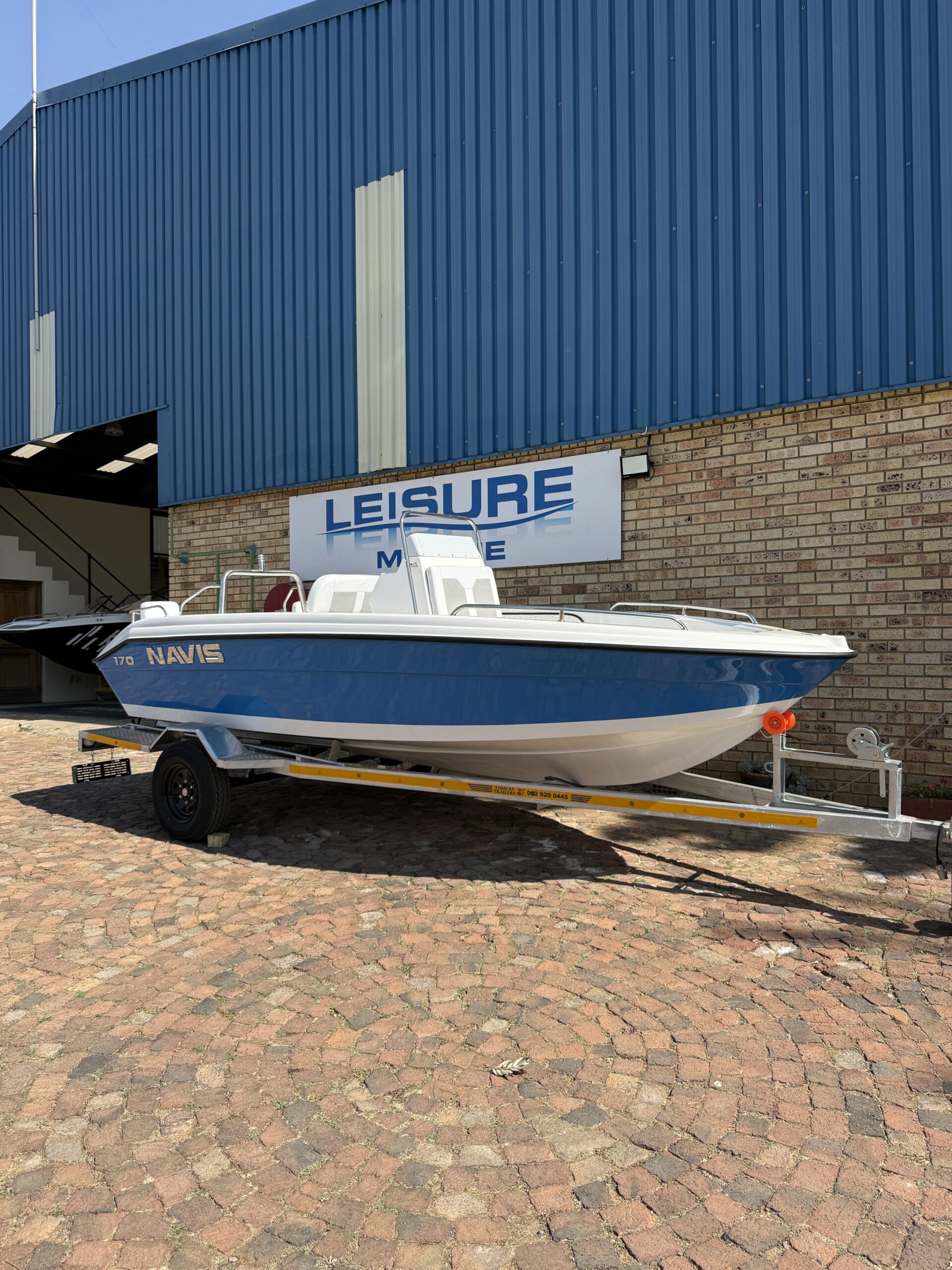
2000 Escape 17
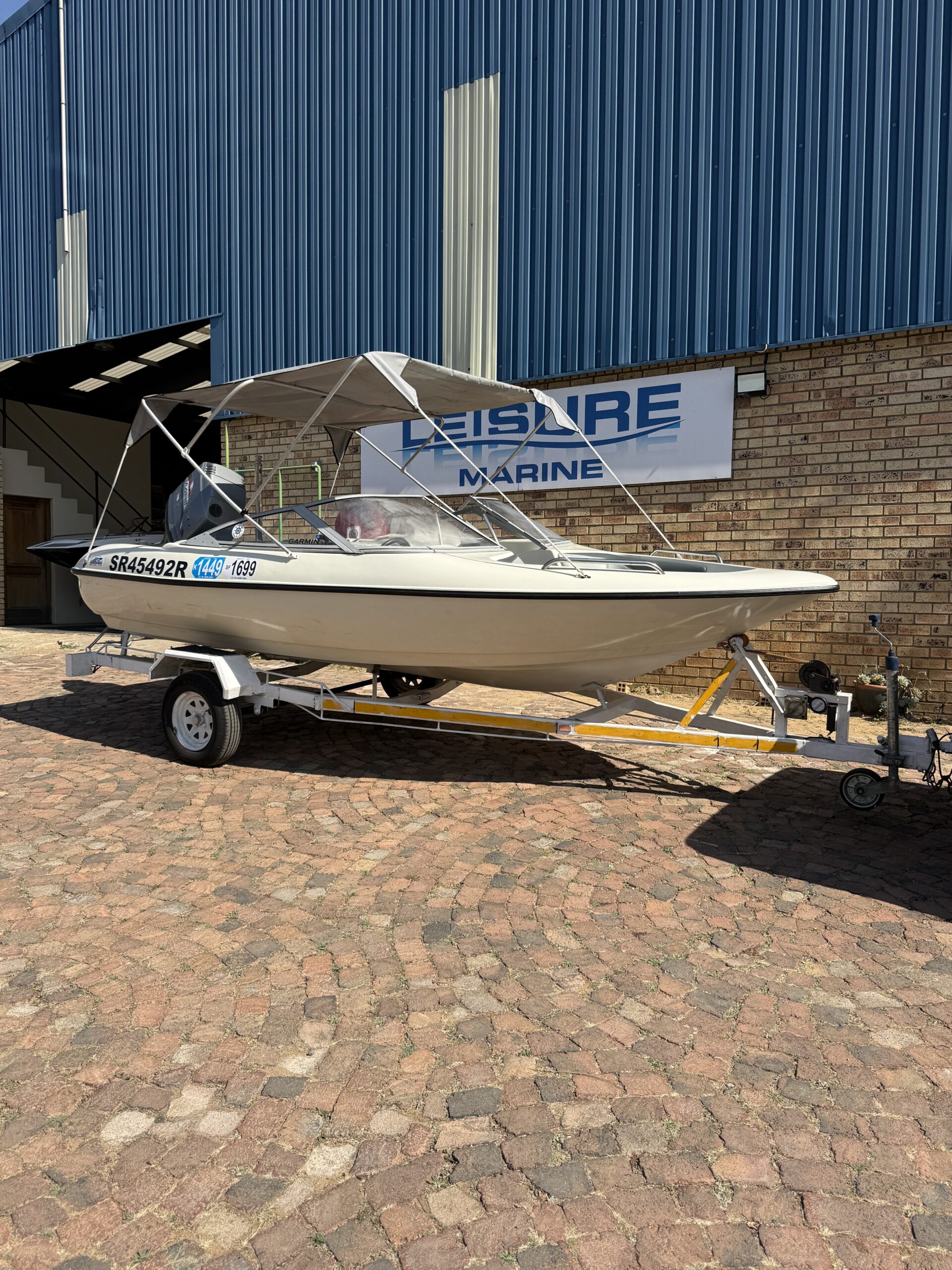
2010 Viking Velocity
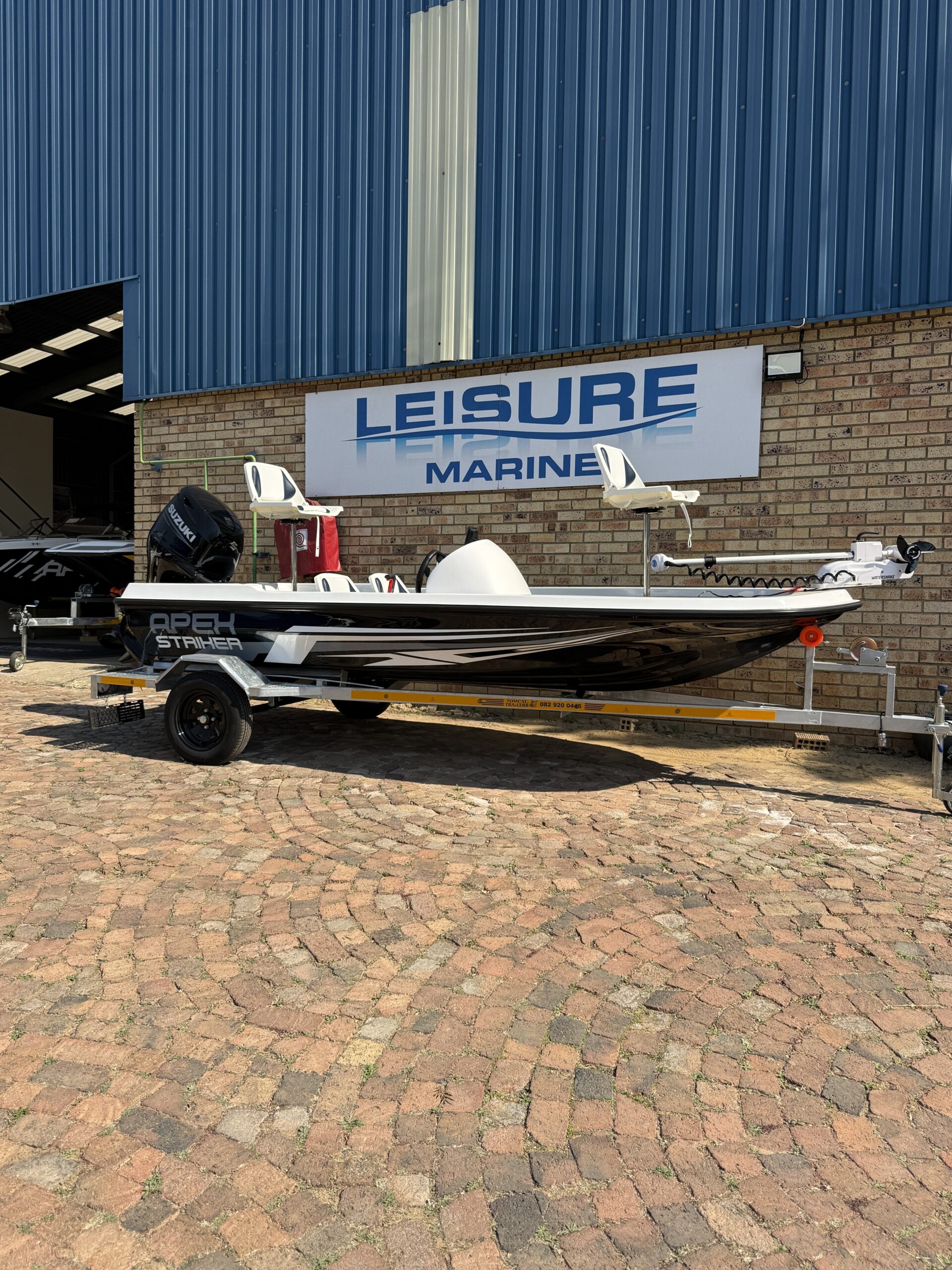
2026 Apex Striker
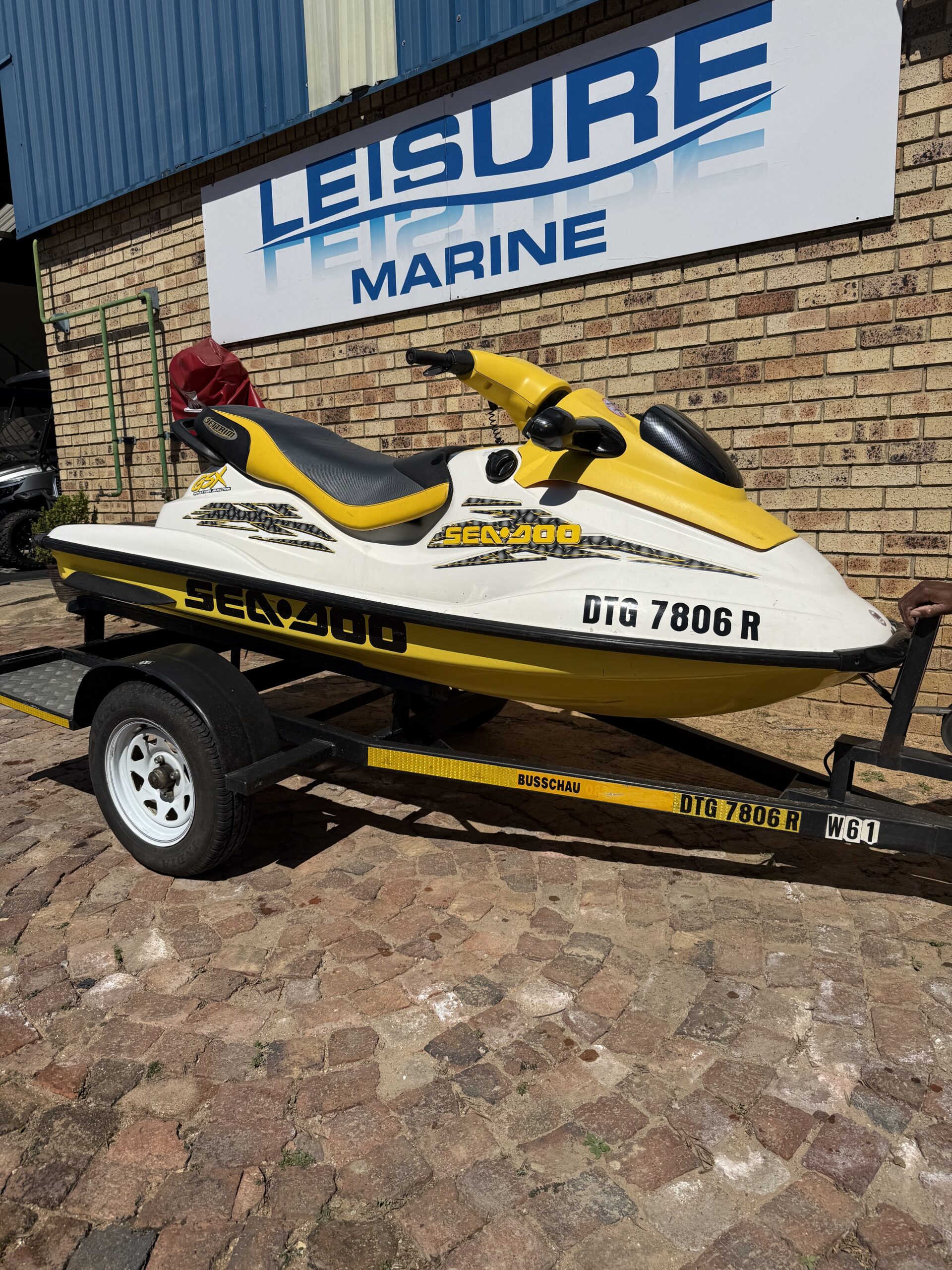
2000 Sea-Doo GSX


Reviews


0 Comments
Post Comment