
 Trailers
 Buses
Buses
 Tractors
 Rollers
 Cranes
 Loaders
 Graders
 Forklifts
 Dozers
 Excavators
 Boats
Boats
 Caravans





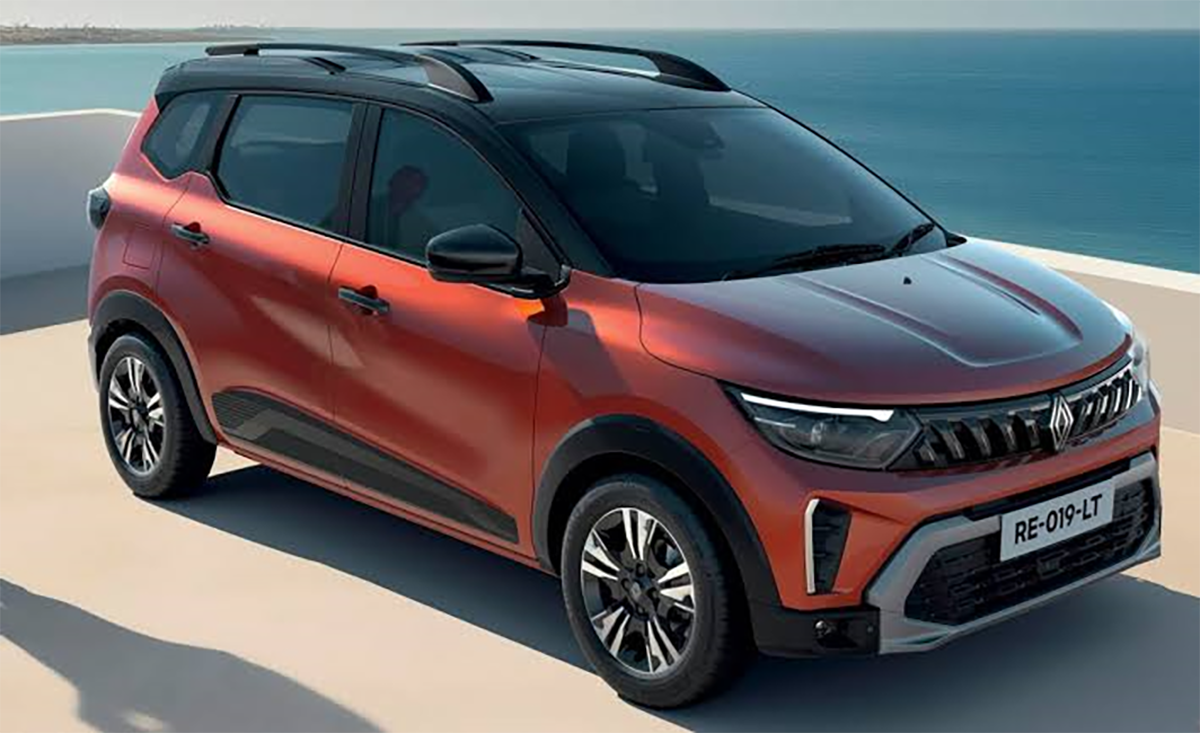
How compact 7-seaters are powering SA’s gig economy
South Africa’s gig economy is changing the way people think about work, transport and even the family car. From ride-hailing and shuttle services to parcel deliveries and informal transport businesses, thousands of independent operators rely on vehicles to generate income. Increasingly, compact seven-seater vehicles are proving particularly useful in this environment, combining passenger capacity, practicality and relatively manageable running costs in a single package.
The appeal is straightforward. A compact seven-seater can carry more people than a conventional hatchback or small sedan without taking up as much road space as a large SUV or minibus. For drivers working across busy urban areas such as Johannesburg, Pretoria, Cape Town and Durban, that balance can be important. The vehicle needs to be spacious enough to serve customers comfortably while remaining practical for navigating congested streets, parking areas and residential neighbourhoods.
For gig-economy drivers, versatility is perhaps the biggest advantage. A seven-seater can potentially support several income streams rather than being limited to one type of work. During peak commuting periods, it can be used for passenger transport. At other times, the additional cabin and luggage space can accommodate shopping, parcels or small loads. For drivers who depend on their vehicle as a source of income, that flexibility can help them adapt to changing demand.
Passenger capacity can also influence the economics of each trip. Where regulations and platform requirements allow it, carrying several passengers means a driver can make better use of the vehicle's available seating. This is particularly relevant to group journeys, airport transfers, school-related transport and private shuttle arrangements. Instead of operating a larger commercial vehicle, an owner-driver can use a compact people carrier that remains suitable for everyday personal use.
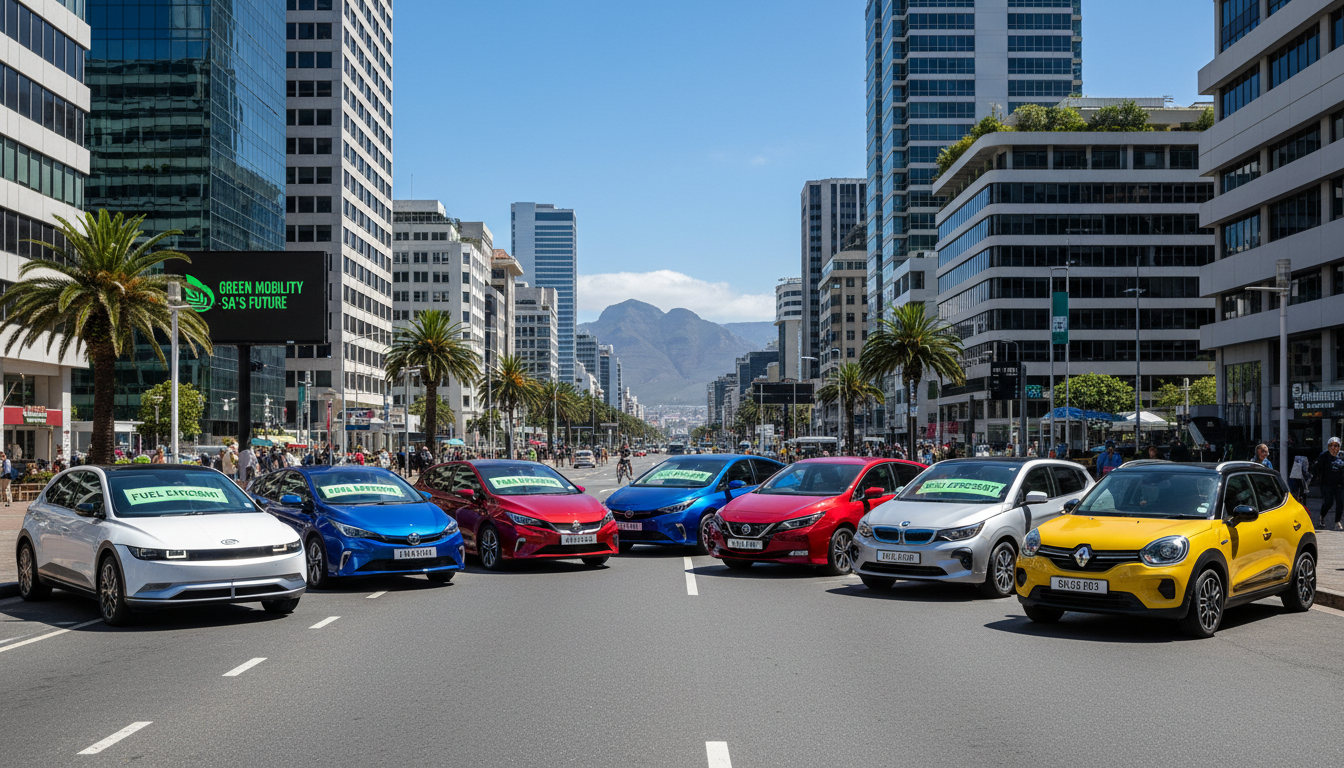
The South African context makes affordability especially important. Vehicle finance, fuel, insurance, servicing and tyre costs all affect whether a gig-economy vehicle can generate a sustainable income. Compact seven-seaters sit in an interesting middle ground: they offer more carrying capacity than many entry-level cars while generally being less imposing than full-size SUVs or traditional passenger vans. Fuel efficiency, reliability and maintenance requirements therefore become just as important as the number of seats.
The rise of app-based work has further changed the role of the vehicle. A gig worker is not necessarily tied to a single employer, route or schedule. Instead, technology allows drivers to respond to demand throughout the day. A vehicle that can switch between transporting people, carrying luggage and supporting small delivery jobs gives its owner greater operational flexibility.
There is also a social dimension. In a country where unemployment remains a major economic challenge, accessible forms of self-employment can provide households with an additional source of income. A vehicle can become more than a means of getting from A to B: it can become a productive asset. For some owners, the ability to use the same car for family responsibilities and income-generating work can make vehicle ownership more financially meaningful.
However, the model is not without challenges. Gig drivers face fluctuating demand, fuel-price pressures, platform commissions, insurance considerations and vehicle depreciation. More seats do not automatically translate into higher earnings. Operators must consider the total cost of ownership and ensure that their vehicle complies with the requirements of the platforms or transport services they use.
For manufacturers, this creates an interesting opportunity. The ideal compact seven-seater for the gig economy needs to deliver more than extra seats. Easy access to the rear rows, flexible luggage space, comfortable seating, good fuel economy, durable interiors and affordable servicing can all influence a driver's earning potential. Technology features such as smartphone connectivity, charging points and navigation support can also make long hours on the road more manageable.
Ultimately, compact seven-seaters are becoming useful tools within South Africa's evolving gig economy because they bridge two worlds. They can function as family vehicles while also serving as income-generating assets. Their combination of passenger capacity, manoeuvrability and versatility makes them relevant to an economy where workers increasingly need to create flexible ways of earning.
As gig work continues to evolve, the humble seven-seater may therefore have a bigger role to play than its family-car image suggests. For many owner-drivers, the right vehicle is not simply about getting somewhere. It is about creating the capacity to earn once they get there.
Guides

Reviews

0 Comments
Post Comment