
 Trailers
 Buses
Buses
 Tractors
 Rollers
 Cranes
 Loaders
 Graders
 Forklifts
 Dozers
 Excavators
 Boats
Boats
 Caravans





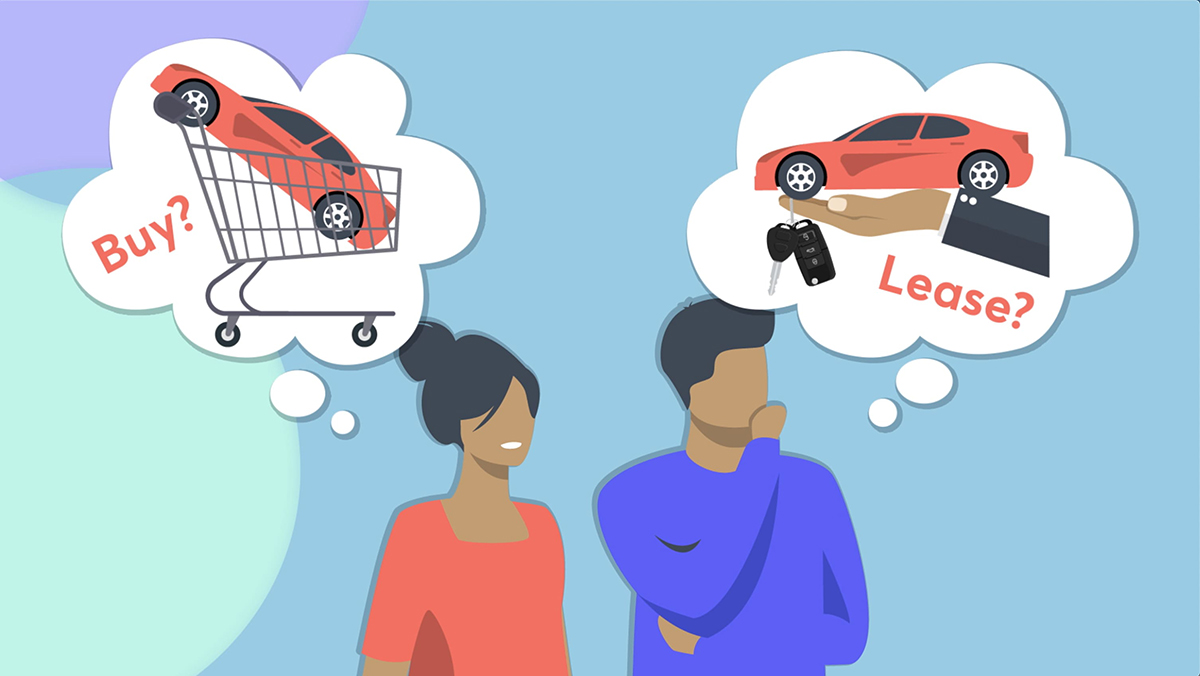
Buying a Car Compared to Leasing a Car
When choosing a new vehicle, South African motorists have several options for financing their next car. Two common approaches are buying a car and leasing a car. While buying means you eventually own the vehicle, leasing allows you to use a vehicle for an agreed period without necessarily owning it. Understanding the differences can help you choose an option that suits your budget, lifestyle and driving needs.
Buying a Car
Buying a car means paying for the vehicle either with cash or through vehicle finance. If you use finance, you make monthly repayments over an agreed period. Once the finance agreement has been settled, the vehicle becomes yours, subject to the terms of the agreement.
One of the biggest advantages of buying is ownership. You can keep the car for as long as you want, sell it when you choose, or trade it in for another vehicle. There are generally no contractual mileage restrictions simply because you own the vehicle.
Buying can also make financial sense if you plan to keep your car for many years. Although the vehicle loses value through depreciation, you can continue driving it after your finance has been paid off without having a monthly vehicle repayment.
Another benefit is flexibility. Owners can generally modify their vehicles, provided the changes comply with applicable laws and do not breach any remaining finance or warranty conditions.
However, buying also has disadvantages. Cars depreciate, and the owner carries the financial risk associated with falling resale values. Once the vehicle is out of warranty or its service plan ends, the owner is also responsible for maintenance and repair costs.
Leasing a Car
Leasing works differently. Instead of purchasing the vehicle outright, you enter into an agreement that allows you to use the car for a specified period. Depending on the agreement, you may return the vehicle at the end of the lease, renew the arrangement or have another purchase option.
One of the main attractions of leasing is that monthly costs can sometimes be lower than financing the full purchase price of a vehicle. This can make it possible to drive a newer or better-equipped vehicle while keeping monthly payments within a particular budget.
Leasing can also be convenient for people who prefer changing vehicles regularly. Instead of owning an ageing vehicle and dealing with its eventual resale, a driver can move into another vehicle when the agreement ends.
However, leasing agreements often come with conditions. These can include mileage limits, requirements regarding the vehicle's condition and charges for excessive wear or exceeding agreed mileage. It is therefore important to understand the full agreement before signing.
Unlike buying, leasing does not necessarily leave you with an asset at the end of the agreement. Over several years, this can be an important consideration.
Costs to Consider
The monthly payment should not be the only factor when comparing buying and leasing. Look at the total cost of ownership or total cost of using the vehicle.
With a purchased vehicle, costs can include the deposit, monthly finance repayments, insurance, fuel, servicing, tyres, repairs and licensing. You should also consider depreciation when calculating the overall cost.
With a leased vehicle, costs may include the initial payment, monthly lease payments, insurance, servicing, fuel, licensing and potential charges for excess mileage or damage.
In both cases, insurance is an important ongoing expense. Maintenance requirements also vary depending on the vehicle and the agreement, so motorists should establish exactly what is included before committing.
Which Option Is Right for You?
The better option depends on your circumstances rather than simply the monthly payment.
Buying may suit you if:
-
You want to own your vehicle.
-
You plan to keep the car for several years.
-
You drive high annual mileage.
-
You want the freedom to sell the vehicle whenever you choose.
-
You want an asset once the finance has been paid.
Leasing may suit you if:
-
You prefer driving newer vehicles.
-
You like changing cars regularly.
-
Your annual mileage is predictable.
-
You prefer a fixed-term arrangement.
-
You want to avoid the process of selling or trading in an older vehicle.
For South African buyers, it is also important to compare finance and lease agreements carefully. Terms, interest rates, residual or balloon payments, mileage allowances, maintenance arrangements and end-of-contract conditions can vary significantly between providers.
Final Thoughts
Buying and leasing a car both have advantages and disadvantages. Buying offers ownership, long-term flexibility and the possibility of having no vehicle repayment once the finance is settled. Leasing can provide access to newer vehicles and may offer predictable costs, but the driver remains bound by the conditions of the lease.
Before making a decision, calculate the total cost over the entire agreement, not just the monthly payment. Consider how many kilometres you drive, how long you expect to keep the vehicle, your available deposit, insurance and maintenance costs, and what you want to do with the car at the end of the agreement.
Ultimately, the right choice is the one that fits your financial circumstances and driving habits while giving you a clear understanding of the costs and obligations involved.
Guides

Reviews

0 Comments
Post Comment