
 Trailers
 Buses
Buses
 Tractors
 Rollers
 Cranes
 Loaders
 Graders
 Forklifts
 Dozers
 Excavators
 Boats
Boats
 Caravans





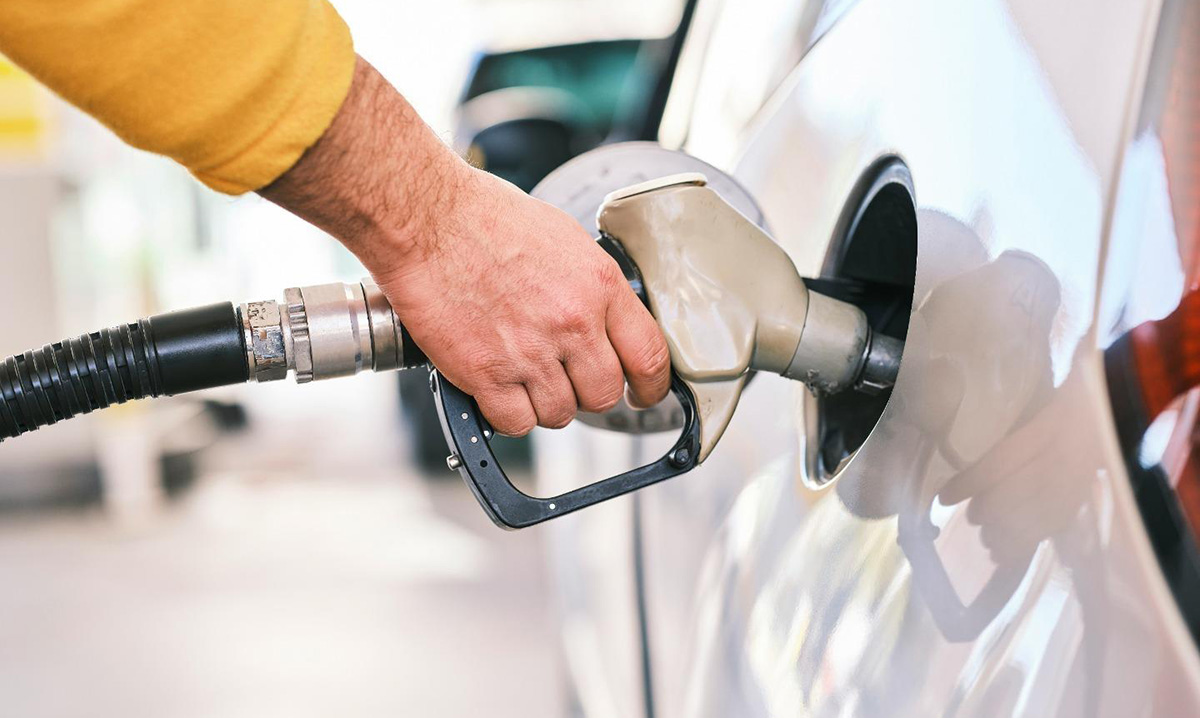
August 2026 South Africa Fuel Price Outlook
Fuel prices remain one of the biggest monthly concerns for South African motorists, businesses, and transport operators. Every adjustment affects household budgets, commuting costs, freight charges, and ultimately the prices consumers pay for goods and services. After months of fluctuating international oil prices and a volatile rand exchange rate, August 2026 brings mixed news at the pumps. While petrol users receive some welcome relief, diesel consumers face notable price increases driven by higher global oil costs and changing market conditions.
Official August 2026 Fuel Price Changes
The Department of Mineral Resources and Energy (DMRE) implemented the latest fuel price adjustments on 5 August 2026.
The official changes include:
-
Petrol 93 (ULP & LRP): 52 cents per litre decrease
-
Petrol 95 (ULP & LRP): 52 cents per litre decrease
-
Diesel (0.05% sulphur): 138.44 cents per litre increase
-
Diesel (0.005% sulphur): 123.44 cents per litre increase
-
Illuminating paraffin: 152 cents per litre increase
A reduced Slate Levy helped offset what would otherwise have been much steeper increases, providing meaningful relief for petrol users despite higher international fuel costs.
Why Petrol Prices Fell
Several factors influence South Africa's monthly fuel price adjustments, including international refined fuel prices, the rand/US dollar exchange rate, transport costs, taxes, and regulatory levies.
Although global oil prices remained under pressure during parts of July, a reduction in the Slate Levy played a significant role in lowering petrol prices for August. The levy was cut from 113.94 cents per litre to 61.38 cents per litre, helping absorb some of the increased costs facing fuel importers.
For motorists filling up petrol-powered vehicles, the 52-cent reduction provides welcome savings, especially for commuters travelling long distances each day.
Why Diesel Became More Expensive
Diesel tells a different story.
Unlike petrol, diesel prices were heavily affected by rising international refining costs and renewed geopolitical tensions that pushed up demand for middle distillates worldwide. Increased freight activity and tighter global diesel supplies also contributed to higher wholesale prices.
As a result, diesel users—including transport companies, farmers, mining operations, and logistics businesses—face increases of more than R1.20 per litre, with some grades rising by nearly R1.40 per litre.
Impact on South African Consumers
Although petrol has become cheaper, the increase in diesel prices could still affect consumers across the economy.
Most goods transported throughout South Africa move by diesel-powered trucks. Rising diesel costs increase transport expenses, which businesses often pass on to consumers through higher prices.
Industries likely to feel the biggest impact include:
-
Agriculture
-
Food distribution
-
Retail
-
Construction
-
Mining
-
Public transport
-
Logistics and courier services
Consumers may therefore experience slightly higher prices on groceries and other everyday products during the coming weeks.
International Factors Affecting Fuel Prices
South Africa imports much of its crude oil and refined fuel products, making local prices highly sensitive to global events.
Several international developments continue to influence fuel prices:
Global Oil Prices
Brent crude oil prices experienced renewed volatility during July and early August due to geopolitical uncertainty and supply concerns. Even relatively small increases in crude oil prices can have a noticeable impact on South African pump prices.
Exchange Rate
Because fuel is purchased in US dollars, the value of the South African rand remains one of the most important pricing factors.
A stronger rand generally helps reduce fuel costs, while a weaker rand increases the price of imported petroleum products.
Currency movements throughout August will therefore remain closely watched ahead of September's fuel adjustment.
Geopolitical Risks
Ongoing instability in several oil-producing regions has increased uncertainty across global energy markets.
Any disruption to production or shipping routes can quickly influence international fuel prices, affecting South Africa within weeks.
What Motorists Can Do
While motorists cannot control fuel prices, they can reduce overall fuel consumption through smarter driving habits.
Practical ways to save fuel include:
-
Maintaining correct tyre pressures.
-
Servicing the vehicle regularly.
-
Avoiding harsh acceleration and braking.
-
Removing unnecessary weight from the vehicle.
-
Planning trips efficiently.
-
Using cruise control where appropriate.
-
Keeping speeds consistent on highways.
Small improvements in driving habits can significantly reduce monthly fuel expenses.
Outlook for September 2026
Although fuel prices are adjusted monthly, predicting future movements remains difficult because several variables change daily.
Key indicators to monitor during August include:
-
International crude oil prices.
-
The rand/US dollar exchange rate.
-
Global refinery margins.
-
Shipping and freight costs.
-
Central Energy Fund (CEF) daily over- or under-recoveries.
If oil prices remain elevated or the rand weakens, diesel could remain under pressure in September. However, a stronger rand or lower international oil prices could create room for additional petrol relief.
Early projections will become clearer as the Central Energy Fund releases its month-end fuel recovery data.
Looking Ahead
South Africa's fuel market remains vulnerable to global economic developments. International conflicts, supply disruptions, refinery outages, and currency fluctuations can all rapidly influence local pump prices.
At the same time, government levies and regulatory mechanisms such as the Slate Levy continue to play an important role in cushioning motorists against sudden price shocks. August's petrol reduction demonstrates how these adjustments can soften the impact of global market volatility.
Final Thoughts
The August 2026 fuel price adjustment delivers mixed news for South African motorists. Petrol drivers benefit from a welcome 52-cent-per-litre reduction, offering modest relief for household budgets and daily commuting costs. Diesel users, however, face significant increases that are likely to ripple through the broader economy by raising transport and distribution costs. As global oil markets remain unpredictable and exchange rate movements continue to influence local prices, motorists and businesses should expect fuel costs to remain a key economic issue throughout the remainder of 2026 while monitoring monthly fuel price announcements closely.
Guides















Reviews



0 Comments
Post Comment