
 Trailers
 Buses
Buses
 Tractors
 Rollers
 Cranes
 Loaders
 Graders
 Forklifts
 Dozers
 Excavators
 Boats
Boats
 Caravans





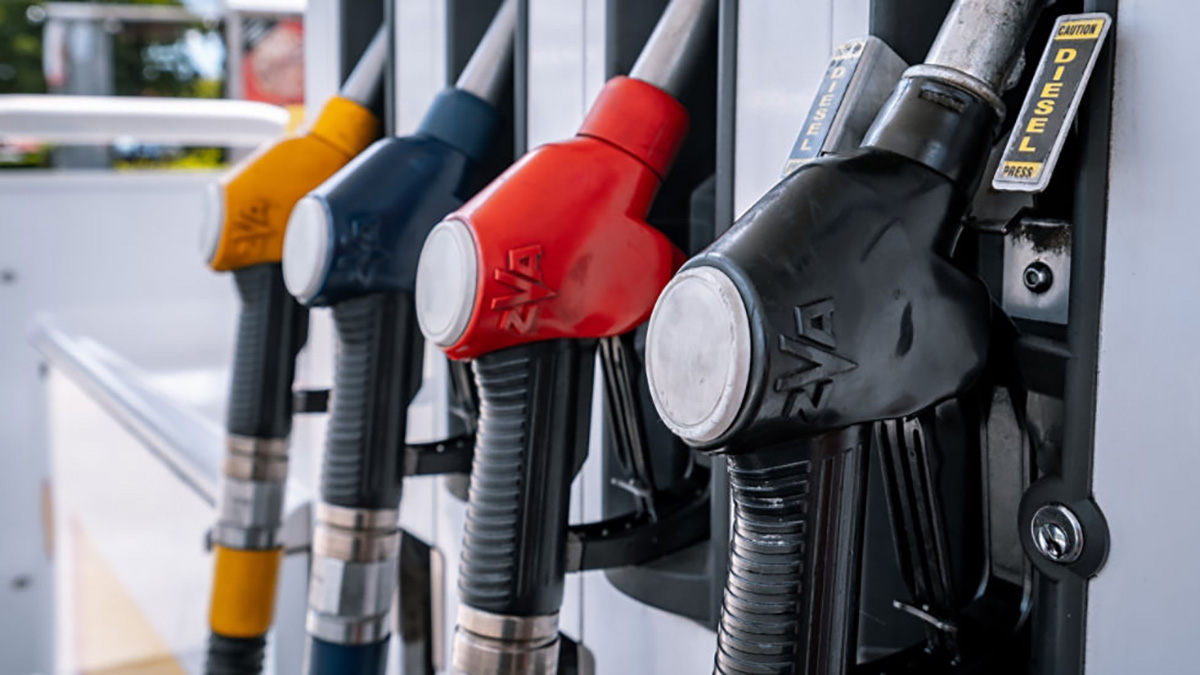
September Fuel Price Update South Africa 2026
South African motorists are heading into September 2026 with renewed concerns about fuel costs, particularly those who rely on diesel-powered vehicles. Early tracking data from the Central Energy Fund (CEF) points to a relatively modest increase in petrol prices, but a much more dramatic rise for diesel. If current trends continue, diesel could increase by more than R3 per litre when the next official adjustment takes effect.
September 2026 Fuel Price Outlook
According to early CEF data reported by AutoTrader, petrol 93 could increase by approximately 40 cents per litre, while 95 unleaded petrol could rise by around 51 cents per litre. The projected inland prices would be about R25.82 per litre for 93 petrol and R26.09 per litre for 95 petrol.
The outlook for diesel is considerably more worrying. Diesel 0.05% could rise by approximately R3.11 per litre to around R29.28 per litre inland, while diesel 0.005% could increase by approximately R3.22 per litre to around R29.92 per litre. Illuminating paraffin is also projected to rise by roughly R2.40 per litre. These figures are projections rather than final pump prices and could change before the official announcement.
This means motorists should not treat the current figures as guaranteed September prices. Fuel prices are influenced by international oil prices, refined-product prices, the rand-dollar exchange rate and government fuel levies. Changes in any of these factors during August could significantly alter the final adjustment.
Why Are Fuel Prices Expected to Increase?
One of the biggest influences on South Africa's fuel prices is the international oil market. South Africa imports a substantial portion of its fuel requirements, meaning movements in global energy markets have a direct impact on local motorists.
International crude oil markets have remained volatile because of geopolitical tensions and uncertainty around important supply routes. According to the AutoTrader report, Brent crude had moved back into the region of $81 to $84 per barrel, increasing pressure on local fuel costs.
The situation is particularly difficult for diesel users because refined diesel markets are experiencing additional supply pressure. Refinery constraints and restrictions affecting international trade have contributed to a shortage of middle-distillate products. Diesel is therefore facing a much larger under-recovery than petrol.
This explains why the projected September adjustment looks relatively manageable for petrol but extremely painful for diesel.
Diesel Users Face the Biggest Challenge
The potential diesel increase is arguably the most important part of the September fuel price outlook. An increase of more than R3 per litre would have a substantial effect on motorists, businesses and industries that depend heavily on diesel.
For example, filling a 60-litre diesel tank would cost roughly R193 more if the price increased by R3.22 per litre. Larger commercial vehicles with fuel tanks of several hundred litres would face significantly greater increases.
The impact would extend beyond the filling station. Diesel powers many trucks, delivery vehicles, agricultural machines, construction equipment and commercial fleets. Higher operating costs for these businesses can eventually be reflected in the prices consumers pay for food, building materials, manufactured products and deliveries.
Agriculture could also feel the pressure because diesel is widely used for tractors, harvesters, irrigation equipment and transportation. A substantial increase in diesel prices could therefore add another layer of pressure to an already cost-sensitive sector.
What About Petrol?
Petrol motorists are not facing the same level of pressure as diesel users, but the projected increases would still affect household budgets.
An estimated 51-cent increase for 95 petrol may appear relatively small compared with the potential diesel hike. However, regular commuters can quickly feel the difference over an entire month. A driver travelling long distances every day will consume considerably more fuel than someone who uses a vehicle only occasionally.
For a 50-litre tank, a 51-cent increase would add about R25.50 to the cost of a full fill-up. While that may not seem substantial on its own, repeated refuelling can turn relatively small price increases into hundreds of rands in additional annual expenditure.
Drivers should therefore continue looking for ways to reduce unnecessary fuel consumption. Maintaining correct tyre pressures, avoiding excessive idling, keeping up with vehicle servicing and driving smoothly can all help reduce fuel usage.
The Rand Provides Some Relief
The South African rand is another important factor in determining local fuel prices. Because international oil and refined fuel products are traded in US dollars, a stronger rand can help reduce the local cost of imported fuel.
The rand has remained relatively stable at approximately R16.20 to R16.35 against the US dollar according to the AutoTrader report. This stability has provided some protection against even higher fuel costs. However, the strength of the currency has not been enough to completely offset rising international refined-product prices.
Any significant movement in the rand during the remainder of August could therefore influence the final September fuel price calculation.
Motorists Should Wait for the Final Announcement
It is important to remember that the current figures are based on early-month CEF tracking data. They represent the direction in which fuel prices are moving rather than the final prices motorists will pay.
The Department of Mineral and Petroleum Resources (DMPR) is expected to announce the final adjustment near the end of August. The September changes are expected to take effect at the beginning of the month. AutoTrader notes that the final adjustment will be announced shortly before implementation.
The difference between an early forecast and the final price can sometimes be substantial, particularly when international oil markets or the rand move sharply during the month.
What September Could Mean for South African Consumers
The September 2026 fuel price outlook highlights how quickly international developments can affect South African households. Petrol users are currently facing a moderate increase, while diesel users could experience one of the more significant monthly increases seen in recent months.
The diesel situation is especially concerning because its effects extend far beyond private motorists. Higher diesel costs can increase transportation, agricultural and logistics expenses, potentially adding pressure to prices throughout the economy.
For vehicle owners, September is a good reminder that fuel economy matters. Choosing an efficient vehicle, planning journeys carefully, combining trips and maintaining a vehicle properly can help reduce the financial impact of rising pump prices.
Ultimately, the projected figures should be treated as an early warning rather than a final announcement. International oil prices, refined fuel markets and the rand can still change before the official adjustment is confirmed. South African motorists should therefore monitor the final DMPR announcement before making firm assumptions about September fuel costs.
For now, the message is clear: petrol prices could rise moderately in September 2026, but diesel users face the biggest financial threat, with early projections pointing to increases of more than R3 per litre.
Guides





2000 Escape 17

2010 Viking Velocity

2026 Apex Striker

2000 Sea-Doo GSX






Reviews



0 Comments
Post Comment