
 Trailers
 Buses
 Tractors
 Rollers
 Cranes
 Loaders
 Graders
 Forklifts
 Dozers
 Excavators
 Boats
 Caravans


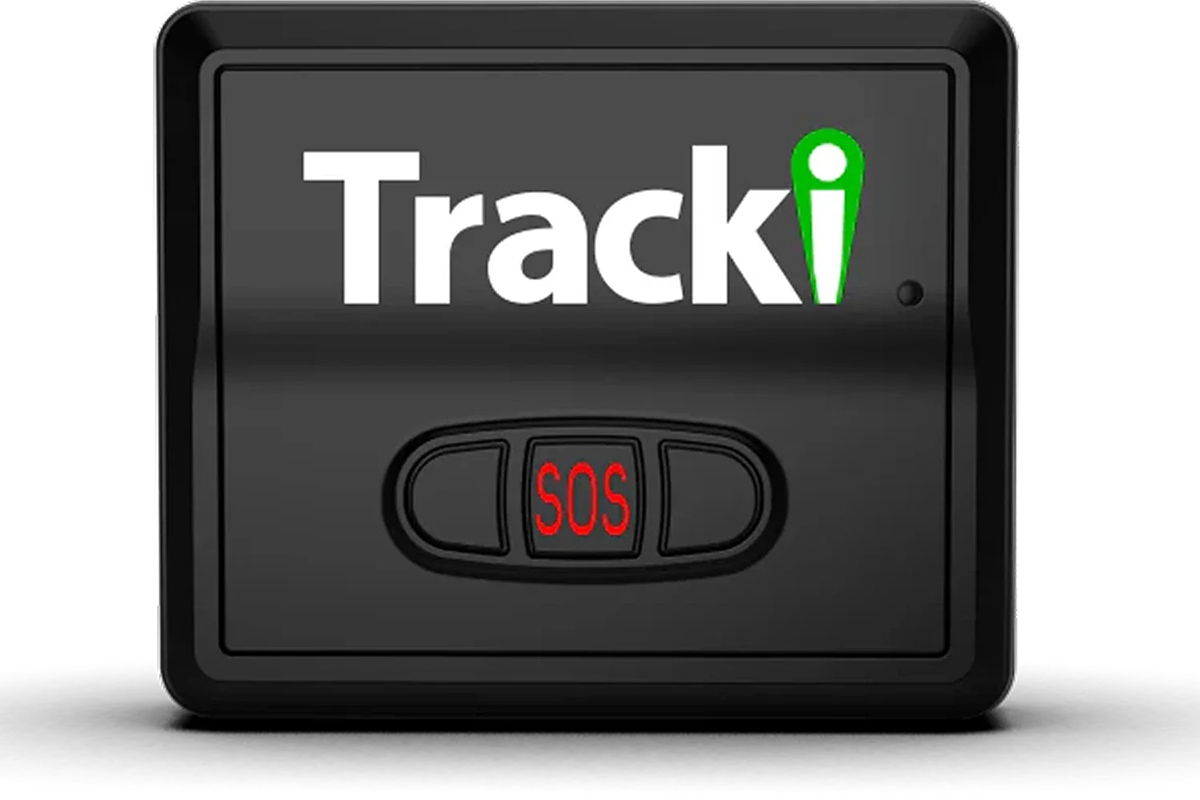
Does fitting a car tracker really reduce your insurance premium in South Africa
For many South African motorists, fitting a car tracker is simply another monthly expense associated with owning a vehicle. Depending on the provider and type of device, you may pay for installation as well as an ongoing subscription. But there is an important question to ask: can having a tracker actually reduce your car insurance premium? The short answer is yes, it can — but it is not guaranteed, and the saving depends on your insurer, vehicle, location and risk profile.
Why do insurers care about car trackers?
Vehicle theft and hijacking remain significant risks in South Africa. From an insurer's perspective, a stolen vehicle can result in a substantial claim, particularly when the vehicle is expensive or difficult to recover.
A monitored tracking device can reduce this risk because it gives a stolen vehicle a better chance of being located and recovered. This potentially reduces the insurer's financial exposure. As a result, some insurers offer a premium discount when an approved tracking device is installed and maintained.
The important word here is approved. You cannot necessarily buy any inexpensive GPS device, install it in your car and expect your insurance premium to fall. Insurers can specify the tracking companies, device types or installation standards they accept.
How much can you save?
There is no universal "tracker discount" in South Africa. The reduction varies according to the insurer and the individual policy. Current industry comparisons suggest that tracker-related premium discounts can commonly fall somewhere in the single-digit to low double-digit percentage range, although the actual saving can be higher or lower depending on the circumstances.
For example, imagine your comprehensive insurance costs R2,000 per month. A hypothetical 10% tracker-related discount would save R200 per month, or R2,400 per year.
However, you should not assume that this means the tracker is "free". If your tracking subscription costs R150 per month, your net saving would be only R50 per month before considering installation costs.
That is why motorists should compare the total cost of the tracker against the actual insurance saving, rather than simply looking at the percentage discount.
Sometimes a tracker is compulsory
This is where the issue becomes more complicated. For certain vehicles, a tracking device may not be an optional way to reduce your premium. It may be a condition of insurance cover, particularly where the vehicle is considered a high theft or hijacking risk.
Factors that can influence this requirement include the vehicle's make and model, its value and where it is normally kept or driven. High-risk vehicles and areas can therefore face stricter security requirements.
In these circumstances, fitting a tracker is less about getting a discount and more about maintaining your insurance cover. If your policy states that an approved tracker must be installed and operational, failing to comply can have serious consequences. South African court cases have illustrated how tracking-device requirements can form part of the conditions attached to theft and hijacking cover. In other words, if your insurer tells you that a tracker is compulsory, do not assume you can simply cancel the tracking subscription once your policy is active.
Does every tracker qualify?
No. Before buying a tracker, motorists should ask their insurer which devices and providers are approved for their particular policy. There is an important distinction between a basic GPS locator and a professional stolen-vehicle-recovery service. Insurers may require a monitored device that meets specific technical or installation requirements. It is also worth keeping your installation certificate and any documentation supplied by the tracking company. These documents can provide proof that the required device was correctly fitted.
Most importantly, keep the subscription active. Having a tracker physically installed in your vehicle is not necessarily enough if the device is no longer being monitored or does not meet the policy's operational requirements.
Tracker versus telematics: they are not the same thing
Another source of confusion is the difference between a traditional vehicle-recovery tracker and a telematics system. A recovery tracker is primarily designed to help locate a stolen vehicle. Telematics systems can go further by recording information about how the vehicle is driven, potentially including braking, acceleration, speed and driving patterns.
Some insurers use telematics as part of insurance products that reward safer driving. For example, Absa's Activate insurance information explains that its telematics data is used to calculate a driver score and track the vehicle's location in certain serious incidents.
These products can potentially offer savings beyond those associated with a standard stolen-vehicle-recovery tracker, but they may also involve greater collection of driving data. Drivers should therefore understand what information is collected and how it is used before signing up.
Is fitting a tracker worth it?
For many South African motorists, the answer will be yes — but the financial saving should not be the only consideration. A tracker provides an additional layer of protection against vehicle theft and hijacking, while the insurance discount may offset some or even much of its monthly cost. On vehicles that are particularly attractive to thieves, the financial benefit can be more significant. On the other hand, if your insurer offers only a small discount and your tracker subscription is relatively expensive, the direct financial benefit may be limited. The best approach is to ask your insurer for two figures: what your premium would be without the tracker and what it would be with an approved tracker. Then compare the difference with the tracker’s full cost.
The bottom line
So, does fitting a car tracker really reduce your insurance premium in South Africa?
It can, but there is no automatic discount for every driver or every vehicle. The saving depends on the insurer, vehicle, location, security risk and policy.
In some cases, the tracker can partially pay for itself through a lower premium. In other cases, particularly with high-risk vehicles, the tracker may be compulsory simply to maintain theft and hijacking cover.
Before signing up, check your policy wording, confirm which tracking devices your insurer accepts and calculate the actual rand saving. And once the tracker is installed, keep both the device and subscription active.
Ultimately, the biggest value of a tracker is not necessarily the small reduction in your monthly insurance bill. It is the combination of improved vehicle security, potentially faster recovery and, where offered, a reduction in the cost of insurance.
Guides


Reviews

0 Comments
Post Comment